






















































Your body utilizes carbohydrates to create glucose, a type of sugar that serves as your body's main energy supply. Your pancreas releases the hormone insulin to push glucose into the cells. If your body cannot complete this process as efficiently, you have something called insulin resistance, where your body must produce more insulin to complete this task. This problem can serve as a precursor to diabetes, lead to weight gain and trigger conditions like polycystic ovary syndrome. You can do several things to improve your body's use of glucose, and they mainly comprise healthy lifestyle changes.
Importance of Healthy Weight
The National Diabetes Information Clearinghouse, or NDIC, explains that maintaining a healthy weight can greatly improve how your body uses insulin and drastically reduce your chances of developing type 2 diabetes. Shedding as little as 5 to 7 percent of your total body weight can cut your chances by 60 percent---70 percent if you are over aged 60, the NDIC explains.
Medications
The NDIC notes that lifestyle changes represent your best bet for reversing insulin resistance and notes that no drugs exist specifically to reverse this condition. It explains that studies have shown some drugs might help but have either caused serious side effects or did not produce long-lasting results. The American Diabetes Association only recommends the use of one drug---metformin in severe cases such as having a BMI over 35 and being under age 60.
Exercise
Exercise promotes stable blood sugar levels, which requires the release of less insulin. Aim for at least 30 minutes five days a week. Exercise also helps the body's cells become more sensitive to insulin, also leading to the release of less of this hormone.
Insulin Resistance and Carbohydrates
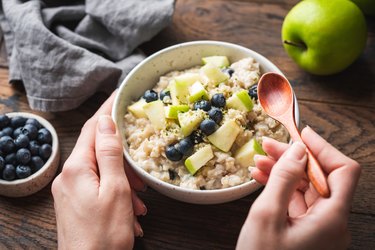
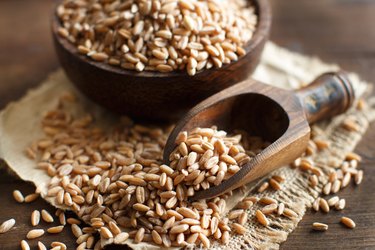
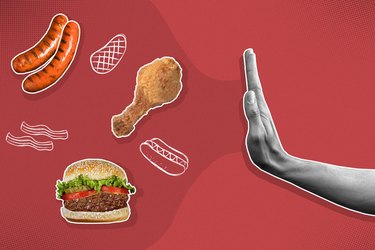
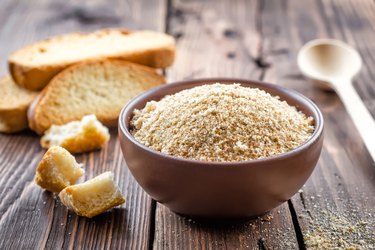
Because carbohydrates exert the biggest influence on the production of glucose and the subsequent release of insulin, the type of carbohydrates you eat can make a big difference. Naturopathic physician Randall Bradley advocates a diet low in most types of carbohydrates and high in low-carbohydrate vegetables, lean proteins and healthy fats. Problematic carbohydrates include white flour foods, sugary foods and drinks and starchy carbohydrates like potatoes and corn. He advises eating whole grains in small amounts---though they represent better types of carbohydrates, they are still carbohydrates. Some in the medical community do not agree with the idea of cutting out whole grains as they offer rich stores of fiber and other types of nutrients. Consider working with your doctor or nutritionist to design an eating plan for your insulin resistance.
Recommended Diet
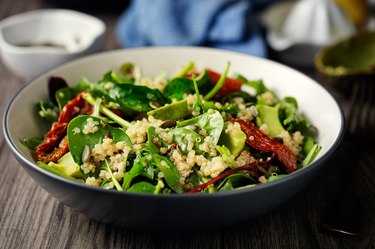
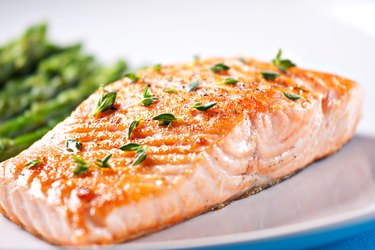
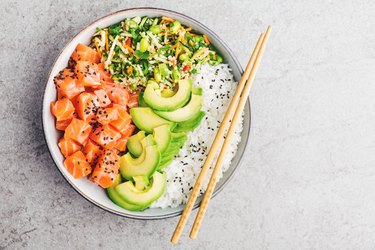
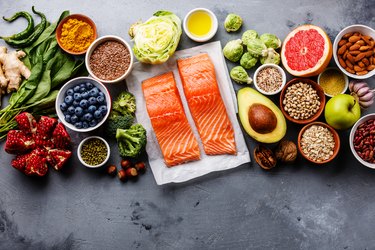
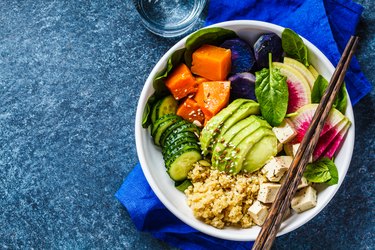
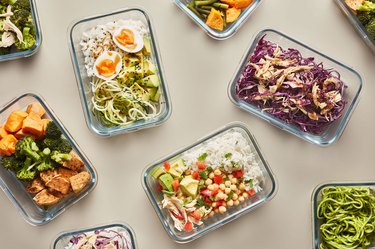
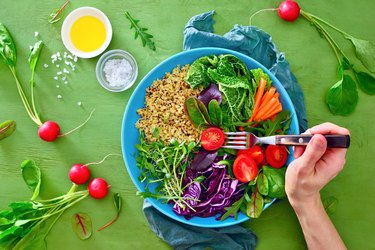
An insulin resistance diet will include lots of low-carbohydrate vegetables like broccoli, peppers, onions, leafy greens, garlic, mushrooms, celery, avocado and asparagus to name a few. Randall recommends sticking to low-sugar fruits like berries and eating them in combination with proteins and not on their own. Choose lean proteins like fish, chicken, turkey---wild and range-fed animals will have less saturated fat. Eat healthy fats, such as nuts and seeds, in moderate amounts.


