




























Raw Food Diet for Beginners

Raw Food Diet for Beginners
Photo Credit Southern Stock/Photodisc/Getty Images

If you plan to shift toward a raw food diet for the long term, you might want to make the transition slowly. Nutritionist and raw food enthusiast Linda Ruff tells her clients to aim for a half-raw diet at first. A slow transition should allow your body time to adjust to the diet while you develop new meal ideas and food preferences. Once you are routinely eating a half-raw diet, you may wish to consider making further changes.

Definition

Raw food adherents consider a food to be raw if it has not been heated beyond 118 degrees. Pasteurized products, canned foods and frozen vegetables have been heated beyond this point, but most wines and frozen fruits have not. The raw food diet also emphasizes living foods, which include live sprouts and unpasteurized probiotic foods, such as miso, pickled vegetables, kombucha and some specialty salad dressings.

Staples

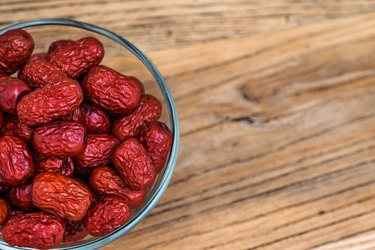
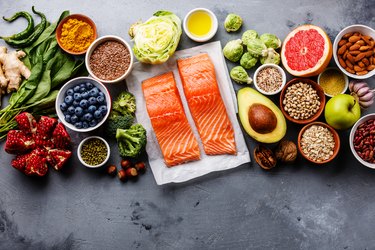
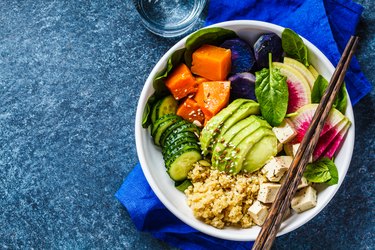
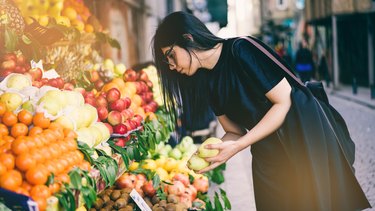
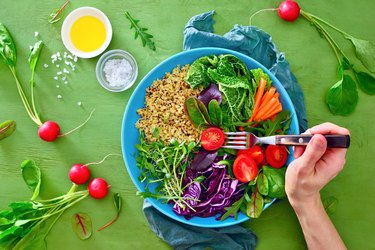
Fresh vegetables, fruit, nuts, coconut and avocado constitute the foundation of the raw food diet. Other ingredients include dried or frozen fruit, sun-dried tomatoes, olives, olive oil, raw vinegar, unpasteurized soy sauce and some brands of honey and agave syrup. There are commercially available raw nut butters, but read labels to find those that specify a heating temperature below 118 degrees. This diet may seem highly restrictive, but raw food enthusiasts use these ingredients to make a wide range of meals, including chili, hummus, pizza, soups, sandwiches, pancakes, cookies and cakes.

Extras

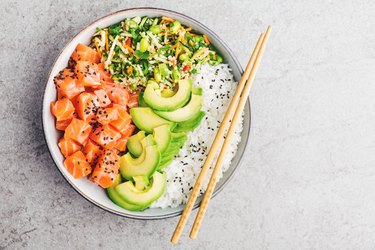
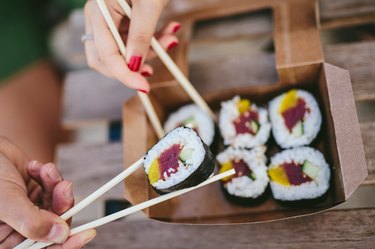
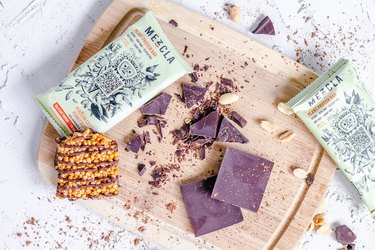
Foods common to the raw food diet that may be unfamiliar to you include chia seeds, goji berries, medjool dates, hemp seeds and coconut butter. With the popularity of the diet on the rise, many packaged raw foods are making their way into natural markets. These items include raw ice creams, cereals, crackers, energy bars and kelp noodles. Many raw food enthusiasts also choose to add raw animal products to their menus. These foods include sushi, seared red meat, raw eggs and unpasteurized dairy products.

Equipment

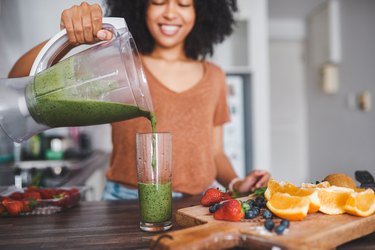
If you would like to maintain variety in your raw food diet, the proper kitchen equipment is important. To make sandwich spreads and dips, you will need a food processor; for smoothies and soups, a good blender. Many raw food enthusiasts consume a lot of fresh juice. Because bottled juices are pasteurized, this requires a juicer or regular visits to a juice bar. If you love pasta, you will want to purchase a spiralizer or spiral slicer, a hand-powered device that converts zucchini and other vegetables into a pile of raw noodles. If you would like to make your own raw breads, crackers, cereals and veggie burgers, you will need a dehydrator. Dehydrators use warm air to extract moisture over many hours, creating foods that taste almost cooked.

Tips

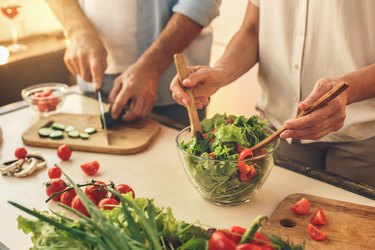
Foods you many not have thought to consume raw include corn, kale, mushrooms, zucchini, cauliflower and beets. Try pureeing beets with garlic and other spices for an interesting salad. Marinate kale, cauliflower, mushrooms or broccoli to soften them up, then toss with other vegetables, fruit, or seeds. If you're not ready to invest in a spiral slicer, use a high-quality carrot peeler to peel a long summer squash or cucumber into fettuccine-like noodles. Warm gently under running water, drain well and toss with your favorite sauce.

References

Article reviewed by Greg Duran Last updated on: Jun 14, 2011

Must see: Photo Galleries

Member Comments