











































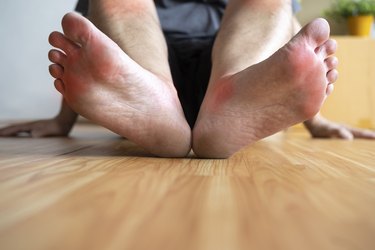























Fingers naturally become cold and numb in a cold environment because of the body's natural response to cold temperatures, according to MayoClinic.com. When the body is cold, blood circulation decreases in the extremities in an effort to keep warm blood pumping to vital organs. However, people who commonly experience coldness and numbness in their hands, feet, fingers and toes in warm temperatures could have one or more underlying conditions causing their symptoms.
Symptoms
Numb, cold fingers often feel cold to someone else in addition to feeling cold to you. The skin can change colors. It may appear blue, white, purple or splotchy. In some cases, your skin feels tight, hard, and sores and blisters may develop.
Causes
Several factors can cause coldness and numbness in your fingers, including poor blood circulation or peripheral artery disease, anemia, diabetes, Raynaud's disease, and scleroderma. Anemia, a blood condition in which red blood cells become reduced, affects the amount of oxygen-rich blood your extremities receive. Likewise, diabetes leads to circulation problems. Raynaud's disease, identified by small vessels that supply blood to the skin, affects circulation as well. Scleroderma causes the hardening and tightening of the skin. Sometimes, more than one of these conditions may co-exist.
Raynaud's Disease
Raynaud's disease affects more women than men, and it causes coldness in the fingers, toes, nose and ears. People with the condition have smaller arteries and blood vessels supplying the skin than those without the condition, resulting in a limited blood supply. Cold temperatures, stress and spasms of the blood vessels cause the condition. Two forms of Renauld's exist: primary and secondary. Primary Renauld's occurs in the absence of any underlying illness. Secondary Renauld's occurs secondary or symptomatic to another condition, such as scleroderma, according to MayoClinic.com.
Scleroderma
Scleroderma causes the progressive hardening of skin and connective tissues due to overactive production of collagen. As the skin and tissues become increasingly hardened, the blood supply to the affected areas becomes limited, resulting in coldness and numbness.
Treatment
Treatment for cold, numb fingers involves treating the underlying condition or increasing the blood supply to the extremities through the intake of blood pressure medications, calcium channel blocker, alpha-blockers and vasodilators. All these drugs are designed to increase vessel size.


