





















The American Heart Association says that approximately 1.2 million people suffer heart attacks each year and that, of those, 34 percent die from them. It is a sobering statistic, particularly for anyone who fits into the "danger" categories -- the overweight, smokers and older individuals who lack routine exercise. While there are steps you can take to prevent a heart attack before it happens -- exercise, quitting smoking, losing weight -- for those who survive a heart attack, diet after the incident may be the most important step of all.
Causes
According to the American Heat Association, a heart attack occurs when one or more of the arteries carrying blood to your heart becomes blocked. This blockage is usually due to a buildup of cholesterol, known as atherosclerosis, and it develops over a long period of time, largely due to poor eating habits and a lack of exercise, although there can also be genetic causes. With each minute that the blood flow is blocked, more of the heart tissue dies. The sooner treatment is made available, the more heart tissue that can be saved. In addition to poor diet, lack of exercise and genetics, the AHA says that other causes of a heart attack can include smoking, drug use, age, weight and diabetes.
Treatment
Even a patient who survives a heart attack will still suffer from the effects of the attack, according to the Mayo Clinic. Since a portion of the heart may have been damaged during the attack, bypass surgery or other procedures may be required to prevent future attacks. But major lifestyle changes will have to be made to avoid another heart attack. In addition to medication, cutting out cigarettes if you smoke and beginning a light exercise routine, your diet after a heart attack will be a big part of your new lifestyle. Doctors at the Mayo Clinic recommend not only eliminating certain foods from your diet but also adding some new ones.
Basics
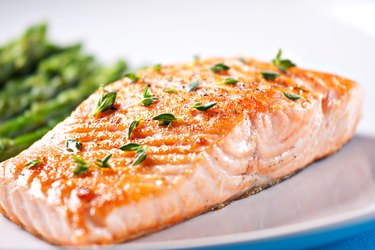
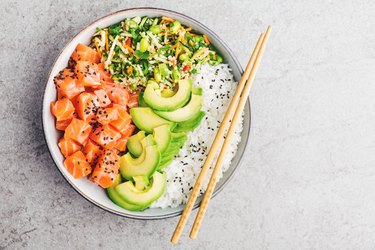
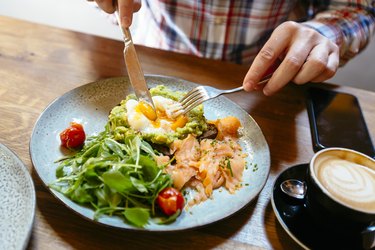
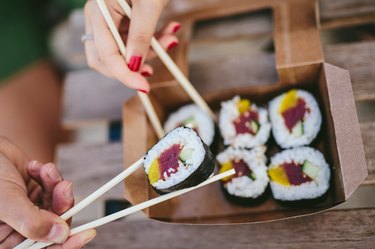
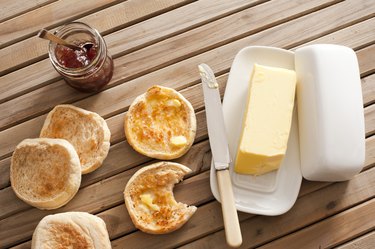
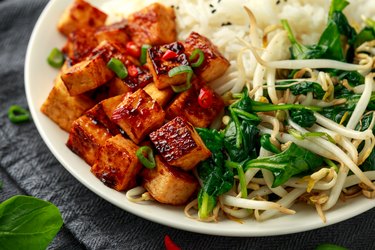
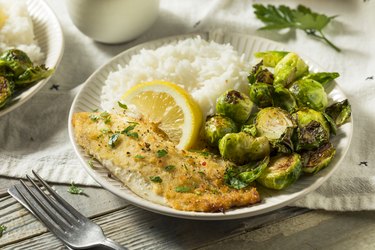
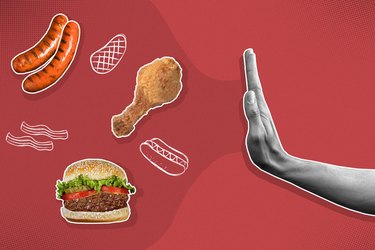
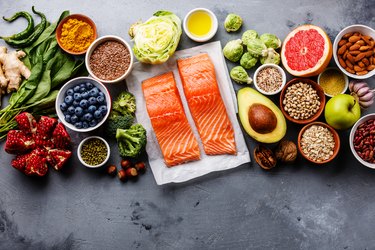
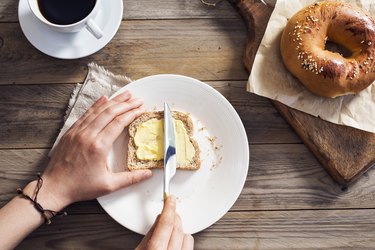
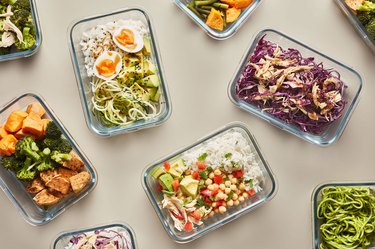
According to the Mayo Clinic, the biggest dietary changes include lowering your cholesterol, maintaining a healthy weight and consuming a heart-healthy diet. When it comes to cholesterol, Mayo Clinic doctors recommend that recuperating patients choose foods with "good" cholesterol -- high-density lipoprotein, or HDL -- rather than "bad" cholesterol -- low-density lipoprotein, or LDL. Foods with "bad" cholesterol include butter, lard, bacon fat, cream and cream sauces, hydrogenated margarines and cocoa butter that is often found in chocolate. "Good" cholesterol food products include olive, canola oil and margarines that are trans-fat free. In addition to these products, the American Heart Association recommends that you become a label reader. Look for foods that are low in sugar and fat and choose lean meats, including skinless chicken and fish that is high in omega-3 fatty acids, such as salmon.
Food Choices
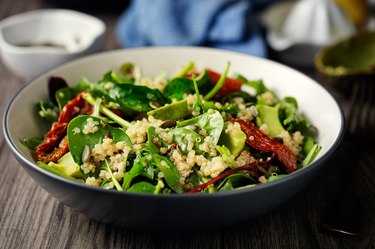
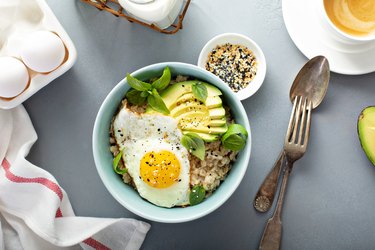
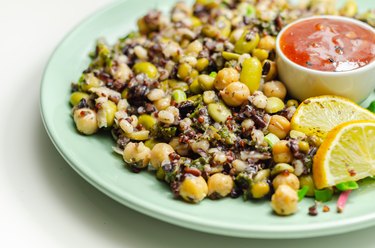
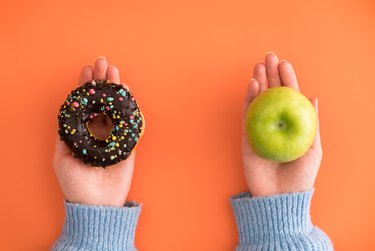
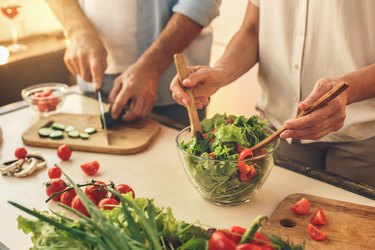
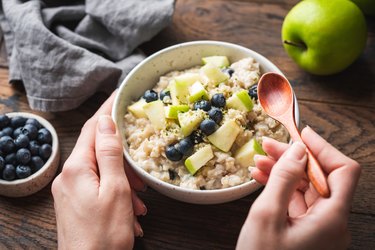
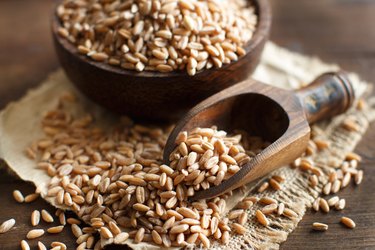
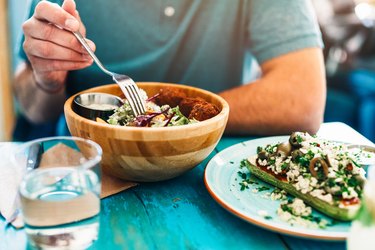
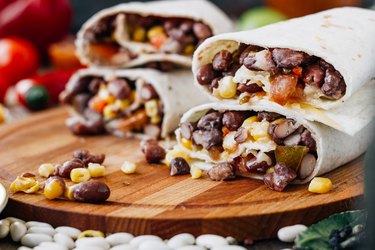
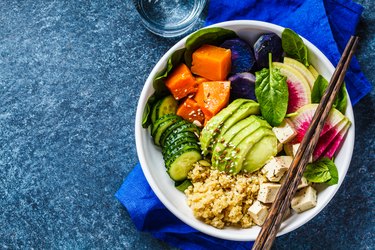
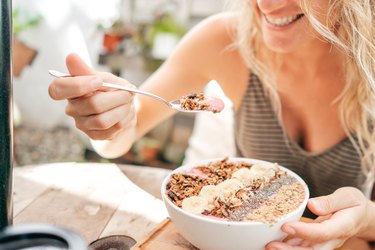
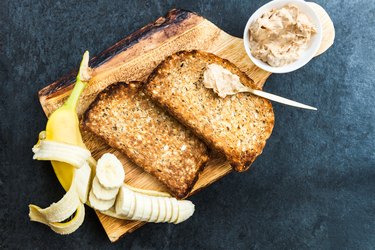
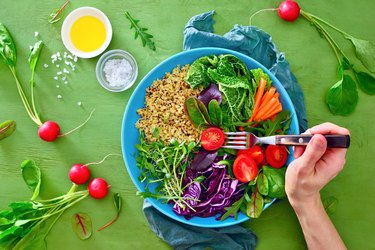
The AHA suggests that your diet after a heart attack also include more fruits and vegetables. Not the breaded and fried or sugar-sweetened varieties, however, but those in their most natural state. Choose grains that are whole wheat or whole grain as opposed to those with white flour or added refined sugar. High-fiber foods are also a good choice over pre-sweetened and high-fat foods.
Alcohol
The AHA says you might also be permitted to have an alcoholic beverage now and again. In moderation, alcohol can raise the levels of good cholesterol in the body. But men are advised to limit it to no more than two drinks a day, and women should have no more than one.


