




















































Losing weight on a low-carbohydrate diet requires a basic primer in carbohydrates, proteins and fats. Developing an understanding of foods allowed on low-carbohydrate diets leads to greater success. Different low-carbohydrate diets offer varying suggestions for allowable foods and level of carbohydrates you can eat; however, some general rules exist that can help you navigate the diets. For best results, follow a specific diet's recommendations, and always talk with your doctor before going on a low-carbohydrate diet.
Identification
Carbohydrates, fats and proteins are all macronutrients. Carbohydrates contain one or more sugars, and they affect blood glucose levels to varying degrees depending on the type of sugars in the foods. Simple carbohydrates have the most dramatic impact on blood glucose. Simple carbohydrates contain one or two sugars, and include foods such as table sugar, candy, baked goods and fruit. Complex carbohydrates contain three or more sugars and have varying impacts on blood glucose. Complex carbohydrate foods include whole grains, potatoes, corn, legumes and vegetables. Low-carbohydrate diets such as Protein Power, Atkins, Zone, and PaNu all restrict carbohydrate intake. Zone does this by recommending that you eat 30 percent of calories at every meal from carbohydrates, while Atkins suggests eating fewer than 20 g of carbohydrates per day in early stages of the diet. Protein Power recommends eating 7 g to 10 g of carbohydrates per meal, and PaNu recommends eating only non-processed, natural foods.
Significance
Controlling insulin release is the key mechanism in low-carbohydrate weight loss, explains "Good Calories, Bad Calories" author, Gary Taubes. When you eat both simple and complex carbohydrates, your pancreas responds to the rise in blood glucose by releasing insulin. Insulin is a storage hormone. Along with controlling blood glucose levels, insulin also serves as a fat escort -- moving fat into and out of your fat cells. In the absence of insulin, your body is better able to release stored fat and burn it as fuel. This is why carbohydrate control is so important for weight loss on a low-carbohydrate diet.
Breakfast Menus
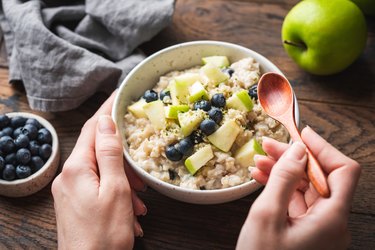
Instead of eating a bowl of oatmeal and some juice for breakfast, many low-carbohydrate diets recommend eating animal protein as your main source of nutrition for this meal. A typical Atkins breakfast may include scrambled eggs and bacon, while a typical Protein Power breakfast might include an omelet with sautéed vegetables. A typical Zone breakfast is blueberries and cottage cheese, PaNu dieters may eat strawberries and scrambled eggs.
Lunch/Dinner Menus
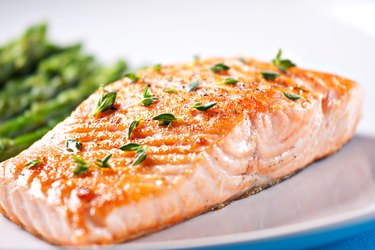
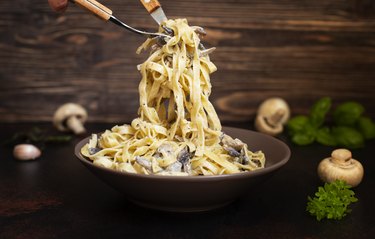
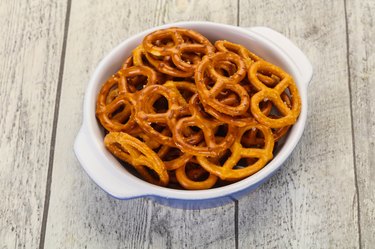
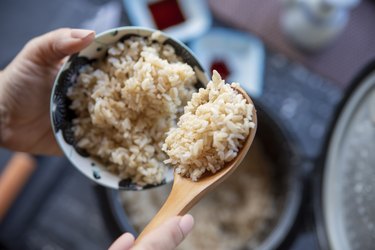
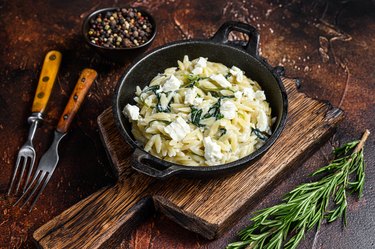
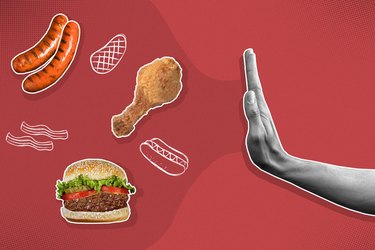
Low-carbohydrate lunch and dinner menus eschew typical carbohydrate-laden staples of these meals such as rice, corn, pasta and potatoes. Instead, you can have an animal protein main course and vegetable sides. Common main courses for low-carbohydrate meals include steaks, hamburgers without the bun, roasted chicken and grilled meats. Sides consist of non-starchy vegetables and may include sautéed spinach, green beans, tossed salad, zucchini, mashed cauliflower, asparagus or artichokes.
Considerations
While low-carbohydrate diets can lead to weight loss, medical professionals caution that the long-term effects of low-carbohydrate diets are not yet well known. Low-carbohydrate diets are high in protein, which may lead to kidney disease. The diets may also contain high levels of saturated fat and cholesterol, along with low levels of fiber. This can result in health problems, such as increased risk of heart disease and increased gastrointestinal difficulties such as constipation. Since food recommendations are specific to the diet plan, you may experience better results if you choose one diet plan and follow its specific recommendations closely.
References
- MedlinePlus: Carbohydrates
- "Good Calories, Bad Calories"; Gary Taubes; 2007
- MayoClinic.com: High-Protein Diets: Are they Safe?; Katherine Zeratsky, R.D., L.D.
- MayoClinic.com: Low-Carb Diet


Member Comments