















Gastric Dumping Diet

Gastric Dumping Diet
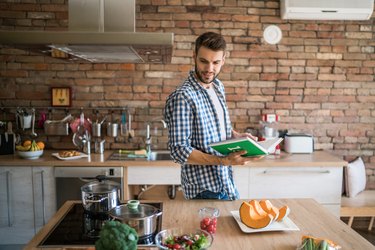
Photo Credit Eriko Koga/Digital Vision/Getty Images

If you have recently undergone stomach removal surgery, you might experience abdominal discomfort and pain soon after you eat a meal or snack. Although your doctor can prescribe you medications to counteract these symptoms, you can also adhere to a gastric dumping diet at home to stop painful digestive side effects before they start.

Identification

Gastric dumping is a medical condition that occurs when the food in your stomach passes into your small intestine too quickly, causing myriad symptoms including fatigue, nausea, vomiting, diarrhea and abdominal pain, according to MayoClinic.com. Gastrointestinal physicians use medical tests to rule out other conditions that might cause the symptoms, says the American Neurogastroenterology and Motility Society (ANMS) and prescribe a specific diet to alleviate or eradicate gastric dumping symptoms when all other medical causes are ruled out.

Designated Diet

According to Ohio State University Medical Center, you should limit your portion sizes to 1/4 cup vegetables, 1 oz. meat and 1/4 cup sweetened starch or fruit at meals to avoid gastric dumping. OSUMC also reports that you should cut your food into smaller than dime-sized pieces, eat slowly, chew your food thoroughly before swallowing and stop eating as soon as you begin to feel full. Additionally, you should drink at least 4 cups of water or non-caffeinated, non-carbonated sugar-free drinks throughout the day to avoid dehydration that could further aggravate your gastric dumping symptoms.

Foods to Avoid

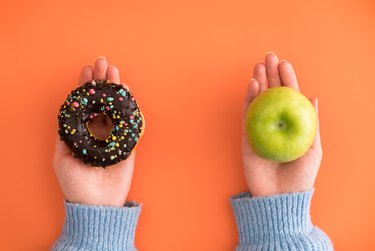
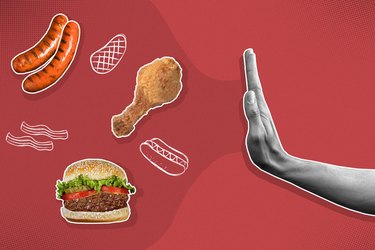
Avoid very cold or very hot foods or liquids to alleviate symptoms of gastric dumping syndrome, says the Jackson Siegelbaum Gastroenterology practice in Camp Hill, Pa. Also, avoid foods and drinks high in simple sugars -- such as soda, candy, doughnuts, cookies and fruit juices -- which pass through your stomach quickly and might cause cramping and diarrhea, says the ANMS.

Additional Recommendations

Lie down about 15 minutes after you eat a meal to slow down the movement of food from your stomach to your small intestine, says Jackson Siegelbaum. Increase your fiber intake in the form of psyllium, pectin or guar gum supplements to delay carbohydrate absorption in your small intestine, which could ease your gastric dumping symptoms, adds MayoClinic.com.

Warning

Do not use a gastric dumping diet as the sole treatment for your symptoms. Speak with your doctor about you can incorporate prescription medication and personalized dietary recommendations from a registered dietitian into your regimen to avoid worsening of symptoms.

References

Article reviewed by Helen Covington Last updated on: Jun 14, 2011

Must see: Photo Galleries

Member Comments