



















































Acne is often described as an inflammatory skin condition. A number of factors play a role in its development, including dead skin, excess oil, bacterial buildup, clogged pores and inflammation. For any acne treatment to be successful, it must act on one or more of these factors. If it doesn't, it won't help to improve your complexion. One potential option is infrared light therapy.
Acne
According to the American Academy of Dermatology, acne is the result of dead skin, excess oil and bacteria building up in the opening of a hair follicle. The bacteria, also known as Propionibacterium acnes, trigger an immune response from the body, causing white blood cells to rush to the infection site. This leads to inflammation and the formation of an active acne lesion.
Treatments
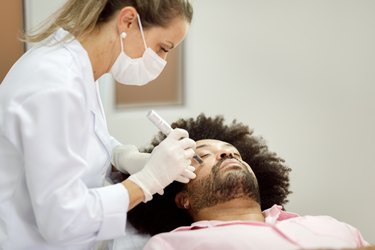
A number of treatments are available to help improve these lesions, including topical medications, antibiotics, corticosteroids and oral contraceptives. Most people respond favorably to one or more of these options. However, if the more traditional methods fail to improve acne, your doctor or dermatologist may recommend laser or light therapy to treat your condition, advises the Mayo Clinic. One of the emerging treatments is infrared light therapy.
Infrared Light
Infrared light therapy emits pulses of light energy that are able to penetrate deep within the layers of your skin. As the light energy come into contact with the Propionibacterium acnes, it's quickly absorbed by the porphyrin molecule within the pathogen, explains the American Academy of Dermatology. This heats the bacterium, causing it to burst and thereby improving the acne lesion.
Other Options
Infrared light may also be combined with another form of therapy to either treat another factor contributing to the skin condition or improve the efficacy of the light energy. When combined with heat therapy, the infrared light kills the bacteria while the heat shrinks the sebaceous glands, which can reduce excess oil production. Infrared light is sometimes used in conjunction with a photosensitizing cream, which can make the bacteria more photosensitive.
Side Effects
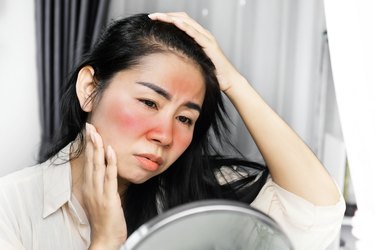
Infrared light therapy doesn't usually cause any side effects, other than some potential redness or flushing along administration sites. This is temporary and should subside within a day or two. When used in combination with an other form of treatment, you may experience redness, swelling and even a worsening of the complexion before it gets better.


Member Comments