






















































Will Running Reduce Cellulite?

Will Running Reduce Cellulite?
Photo Credit Jordan Siemens/Lifesize/Getty Images

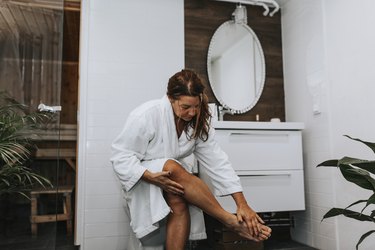
People who have cellulite on the thighs, hips and buttocks often experience embarrassment when it comes to wearing shorts or swimsuits. Women experience cellulite more often than men, and MayoClinic.com notes eight out of 10 women have some form of cellulite. While not a life-threatening condition, the appearance of cellulite can be reduced by running, in conjunction with proper nutrition and weight management.

Definition

Cellulite stems from fibrous tissue that connects the skin to the muscle below the surface. As fat cells accrue from weight gain, they begin to push up against the skin, creating a dimpled appearance. Cellulite is usually identified as skin with a cottage-cheese or orange-peel look. Instances of this condition range from severe cases that cause skin to appear bumpy and uneven all the time, to mild cases that are only visible when the skin is pinched.

Running for Reduction

According to MayoClinic.com, weight loss "is probably the most beneficial cellulite treatment." Weight reduction and strengthening of muscular tissue in the legs, thighs and buttocks can improve the appearance of dimpled skin. Running is an efficient method of cardiovascular exercise that potentially burns up to 1,500 calories an hour, depending on your weight. It is important to note that weight loss will not completely remove cellulite, but a reduction is likely achieved with weight loss.

Prevention

While there is no method to prevent cellulite accumulation, maintaining a healthy body weight, in addition to following a consistent strength training program, may aid in preserving skin tone and texture. Guidelines from American College of Sports Medicine, in conjunction with the American Heart Association, state adults younger than 65 should be moderately active for 30 minutes a day, five days a week, while also following a strength-training regimen that includes repetitions of eight to 10 exercises twice weekly.

Find a Partner

Having a workout partner who shares your fitness goals can increase chances of success. If finding a workout partner is not possible, consider joining a weight-loss or exercise support group. Having someone to discuss common difficulties and experiences can make your road to weight loss a more enjoyable one.

Consult a Doctor Before Exercise

Beginning exercisers and people with existing medical conditions should discuss the risks and benefits of a sound fitness and nutrition plan with an expert before starting a new routine. If any medical concerns arise during a workout plan, you should consult a medical professional.

References

Article reviewed by Victoria Dugger Last updated on: Jun 14, 2011

Must see: Photo Galleries

Member Comments