




























Premenstrual syndrome, or PMS, can wreak havoc on a dieter's good intentions. Weight gain is a symptom of PMS that women experience up to 14 days before the start of their period. PMS weight gain may be caused by appetite changes, bloating or water retention. Some women experience cravings for certain foods. Other symptoms of PMS, such as fatigue or abdominal cramps, can make you feel like doing anything but exercise. Learn how to beat PMS and succeed at your weight loss goals.
Identification
Premenstrual syndrome is a group of symptoms that occurs before your period and ends when your period begins. In addition to weight gain, some women experience acne, back pain, constipation, mood changes, fatigue and headaches, among other symptoms, according to the Family Doctor website. PMS may be linked to changes in hormone levels during the menstrual cycle.
Bloating
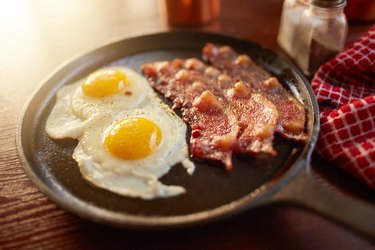
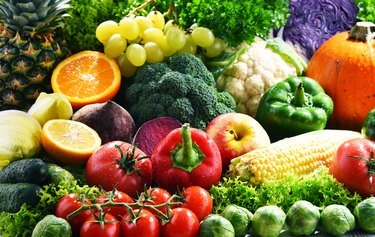
Bloating refers to gas buildup in your stomach and intestines. If you suffer from this PMS symptom, avoid smoking and eating fatty foods. Common foods that cause bloating include baked beans, broccoli, brussel sprouts, cabbage and soft drinks, according to the Mayo Clinic website. To reduce bloating, try eating slowly. Temporarily cut back on high-fiber foods.
Water Retention
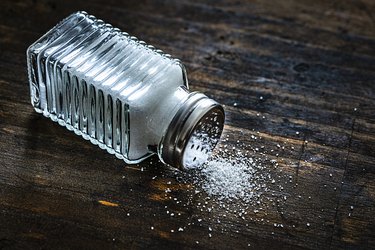
Exercise can help you eliminate excess water from your body. Women who regularly exercise report fewer PMS symptoms, according to the Mayo Clinic website. Avoid salt to reduce water retention. Take 200 to 400 milligrams of magnesium a day to eliminate water retention. Don't take magnesium if you have serious heart or kidney disease, however.
Carbohydrates
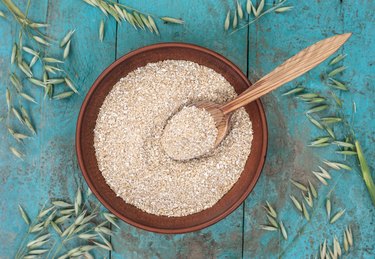
Increasing serotonin can help you banish depressed mood and overeating before your period, according to "Psychology Today." Serotonin is a brain chemical involved in mood and appetite. To increase serotonin, eat a food with 30 to 35 grams of a starchy or sweet carbohydrate. Make sure your snack has no more than 2 grams of protein and 2 grams of fat. Protein prevents serotonin production and fat supplies unwanted calories. Examples include popcorn, oatmeal with brown sugar, low-fat granola bars or frozen yogurt. Eat the snack three hours after a meal, on an empty stomach. You should feel the effects within 45 minutes.
Calcium
Taking 1,200 milligrams of calcium a day may reduce the physical symptoms of PMS, according to the MayoClinic website. The effect may occur because calcium metabolism fluctuates with the menstrual cycle, according to a 2000 study published by Susan Thys-Jacobs in the Journal of the American College of Nutrition.
References
- FamilyDoctor.org: PMS
- MayoClinic.com: Water Retention: Relieve This Premenstrual Symptom
- "Psychology Today:" You Can Prevent PMS from Destroying Your Diet
- MayoClinic.com: Bloating, Belching and Intestinal Gas: How to Avoid Them
- "Journal of the American College of Nutrition:" Micronutrients and the Premenstrual Syndrome: The Case for Calcium


Member Comments