





































Colic, which is a condition that occurs in some newborn babies, causes periods of fussiness and crying around the same time each day. Doctor's have not been able to determine the exact cause of colic, although some doctors and mothers believe that there is a direct link between the crying and the foods that the breastfeeding mother eats. If you believe your baby has colic, you can begin to eliminate certain foods from your diet one at a time to find out if any particular food is upsetting your baby. Consult your child's pediatrician for further recommendations and treatment options.
Dairy
Dr. Sears explains that dairy foods may cause colic in some babies because of lactose intolerance. Eliminating foods such as milk, ice cream, butter, heavy cream, cheese and yogurt may be necessary for two weeks to find out if those foods and beverages were causing stomach discomfort in the baby.
Stimulants
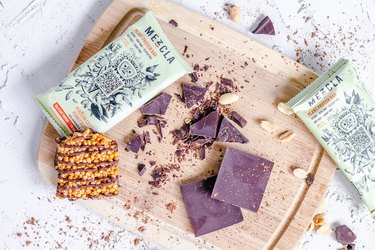
Foods with caffeine that act as stimulants may need to be removed from the diet while nursing to decrease colic. Caffeinated beverages such as coffee, tea and soft drinks should be avoided. Chocolate also contains caffeine, which may cause discomfort to the baby.
Citrus and Other Fruits
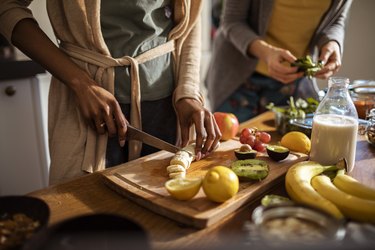
Citrus fruits like oranges and lemons are thought by some to cause symptoms of colic in babies. Other fruits like grapes, mangoes and strawberries may also contribute to colic. Avoiding these foods for the first six weeks of a baby's life may help reduce discomfort and crying.
Vegetables
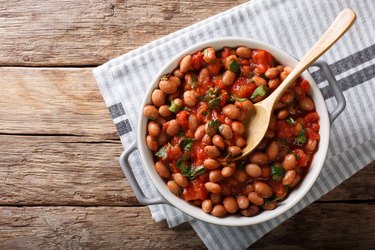
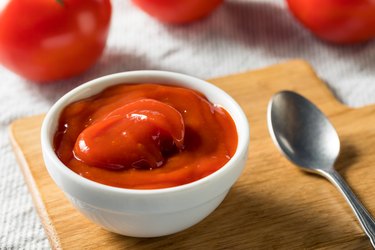
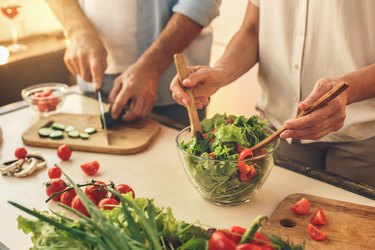
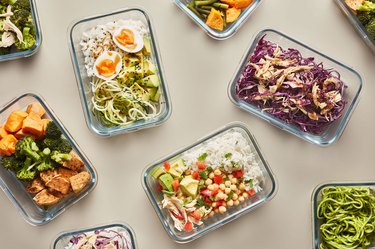
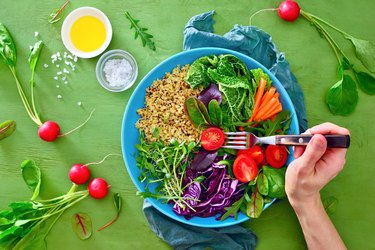
Some vegetables may transfer to the baby through the breast milk and cause gas in the baby. These vegetables include cabbage, broccoli, onions, green peppers, cauliflower and dried beans. When a baby cannot pass the gas by herself, it may build up in their system and cause pain. This pain may contribute to colic, even though doctors aren't completely sure what causes colic.
Spices
Some spices may pass through the breast milk and cause discomfort and gas in newborn babies. Spices such as cayenne pepper, oregano, sage, rosemary, marjoram, thyme and chili powder may need to be eliminated from the diet to decrease fussiness.


Member Comments