












































Smelly Body Odor

Body odor can be embarrassing at best, and when very bad it can disrupt your life. In most cases, when it is coming from your armpits, you are aware of it. But it can also come from your skin and you might not know it because you have grown accustomed to the smell. In both cases, there are things you can do about it.

Types

Most body odor is the result of perspiration. You have two kinds of sweat glands. Your apocrine glands are located in places where you have hair: your armpits, groin and scalp. These glands produce fatty sweat, and, according to MayoClinic.com, when bacteria present on your skin begin to break it down, this causes odor. Apocrine sweat is often the result of emotional stress.

The other kind of odor comes from the eccrine glands, which are widely distributed across broad areas of your skin. When you are overheated, these glands force sweat out through the surface of your skin to bathe it and cool it down. This sweat consists predominantly of water and salt, according to MayoClinic.com. But if your body odor is the result of your diet, then this sweat can smell bad, too.

Causes

Anything from hot weather to hard exercise to nerves can make you sweat, but the causes of accompanying odor are more wide-ranging. MayoClinic.com indicates that hormones, drugs you might be taking, foods you eat and even your mood can influence your odor. One thing that is probably not causing odor is your menstrual period, according to the Palo Alto Medical Foundation, assuming you bathe everyday and frequently change your protection. The fact that you are having your period will not cause body odor in and of itself.

Diet

When you ingest strongly aromatic foods, such as onions or garlic, their smells can surface through the pores of your skin via your eccrine glands. The website Health911 adds foods containing a great deal of choline to the list of those that can cause odor. These include eggs, fish, legumes and liver.

Suggestions

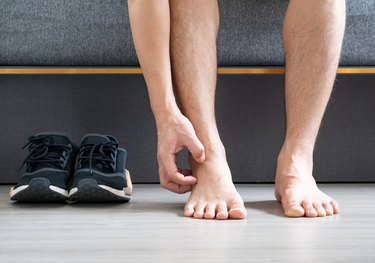
Bathing regularly should be your first defense. Beyond that, focus on where your smells are coming from. If it's your feet, then MayoClinic.com suggests choosing shoes and socks made of natural materials that allow your feet to breathe. Alternate your shoes daily, because they will probably not dry out overnight if your feet sweat a great deal. If your armpits are the area of trouble, wear loose clothing, also made of natural fabrics. Health911 suggests a 3 percent hydrogen peroxide mixture with water as an underarm wash, or apple cider vinegar or white vinegar. Both lose their own odor after a few minutes and can help control body odor through the rest of the day.

Products

Over-the-counter antiperspirants will stop you from sweating, but do not affect odor. Deodorants can camouflage or eradicate odor but do not stop you from sweating. For best results, purchase a product that combines both, or ask your doctor to prescribe an aluminum chloride product such as Drysol or Xerac.

Warning

MayoClinic.com urges you to consult your doctor if your pattern of sweating changes and becomes either excessive or much less frequent. This can indicate a variety of medical conditions, some of which may be serious, especially if you notice that the odor of your perspiration has changed as well.

References

Article reviewed by Mike Myers Last updated on: Jun 14, 2011

Must see: Photo Galleries

Member Comments