















Diet Plan for a Stroke Victim

Diet Plan for a Stroke Victim
Photo Credit Jupiterimages/Polka Dot/Getty Images

After a stroke, a person must often make some dietary changes. This may include eating healthier to prevent another stroke from occurring, or compensating for eating difficulties resulting from the stroke. Fortunately, making a diet plan after a stroke does not involve a major eating overhaul. A few simple changes can often help address these situations.

Eating Well After a Stroke

The diet plan for a person who has had a stroke is similar to when someone is trying to avoid one in the first place. One of the first things a person must do is make sure any other related medical conditions, such as diabetes or high blood pressure, are under control. In addition to taking any prescribed medications, being mindful of the diet can help. Maintaining blood sugar levels by eating smaller, more frequent meals and limiting concentrated sweets may help keep diabetes symptoms under control. Avoiding foods high in sodium can help keep blood pressure in check. And maintaining a cholesterol level under 200 through healthier eating can also help prevent circulation problems, one of the possible causes of recurrent stroke.

The Mediterranean Diet

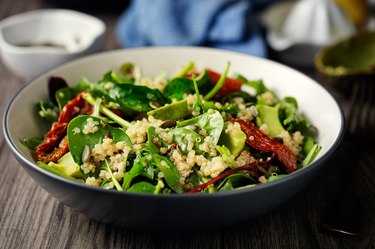
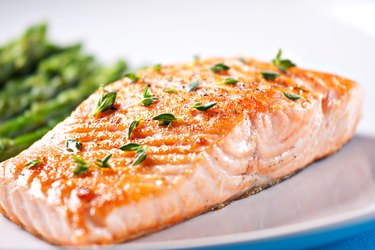
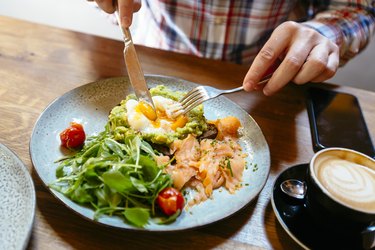
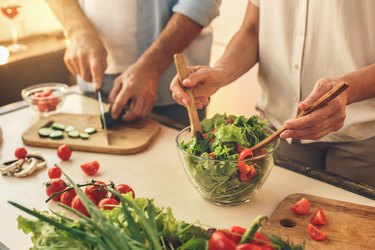
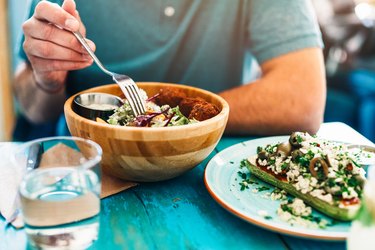
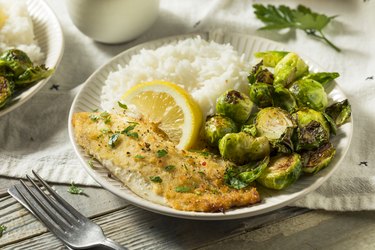
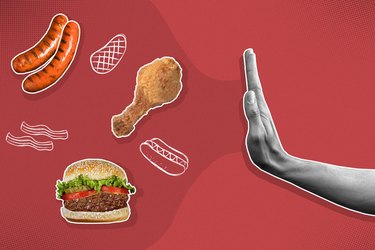
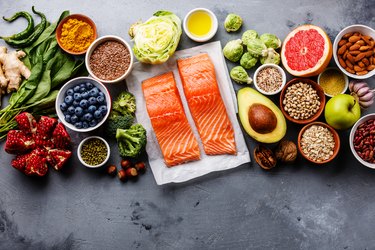
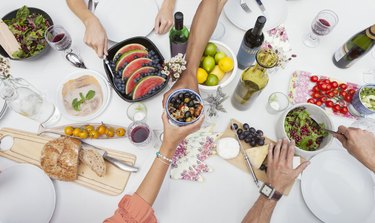
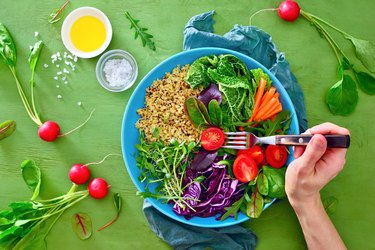
The Mediterranean diet has gotten much attention as a heart-healthy eating plan. This diet is high in healthy oils, such as fish and olive oils, as well as other heart-healthy nutrition such as antioxidants and beneficial vitamins. In addition, it includes minimal saturated fats and cholesterol. Fish, poultry, colorful fruits and vegetables and balsamic vinegar are great for maintaining heart and circulatory health, which can help prevent another stroke from occurring. The Mediterranean diet also tends to include low-fat food preparations, with few fried foods on the list.

Other Recommendations

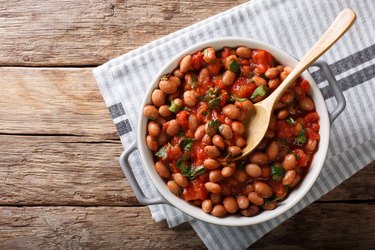
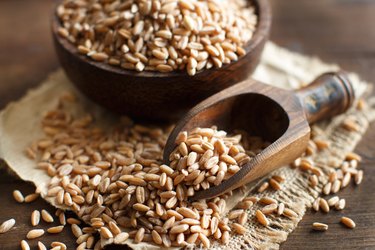
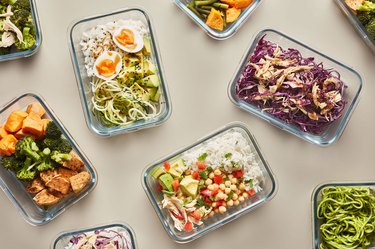
The National Stroke Association also recommends foods high in folic acid, potassium and fiber for heart health. Oranges, tomatoes, broccoli, asparagus and lentils are among the stroke super foods. In addition, the Cleveland Clinic recommends people wanting to eat healthier for their hearts include more fruits, vegetables and whole grains in their diet. Both organizations recommend switching to leaner cuts of meat, increasing the amount of fish in the diet and limiting concentrated sweets.

Eating Well When Appetite is Poor

After a stroke, some people's tastes may change. Others may have little to no appetite, finding their food bland or unpleasant. Eating difficulties can leave a stroke victim susceptible to malnutrition and unhealthy weight loss. When this is the case, the Cleveland Clinic recommends smaller, more frequent meals instead of the typical three meals per day. In addition, food consistency and temperature may make a difference. They recommend choosing moister foods such as casseroles, or meals that are either cold or warm, as dry room-temperature foods may be less appetizing after a stroke.

Diet Consistency Modifications

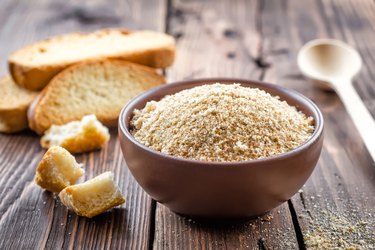
After a stroke, some people have difficulty swallowing food, leaving them potentially at risk for aspiration--when food gets into the airway. Each person's needs are different after a stroke, however some may require liquids to be thickened or food to be mashed or pureed in order to avoid choking. In these cases, the same general dietary guidelines are the same; however, be sure to maintain a consistency that is safe for eating. A doctor or nutritionist can help.

References

Article reviewed by Contributing Writer Last updated on: Nov 8, 2010

Must see: Photo Galleries

Member Comments