






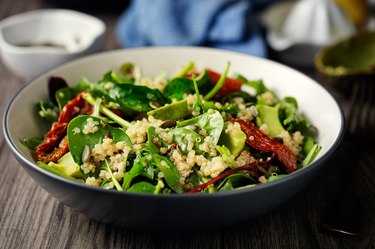





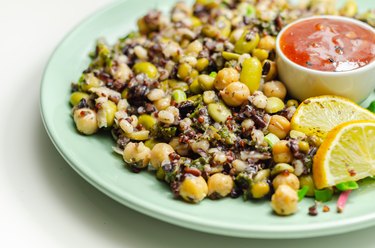









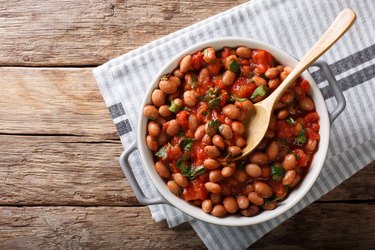










































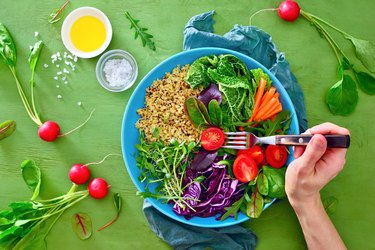

Type 2 diabetes is a serious disease that, if poorly managed, increases the risk of developing heart disease and kidney damage. While there is no cure, those with this condition can control their blood sugar and, ultimately, reduce the risk of developing serious complications by following a healthy, fiber-rich diet, exercising regularly and keeping body weight in check. Eating well-balanced, evenly spaced meals and snacks regularly throughout the day and decreasing overall fat intake is recommended.
Aim for Meal Consistency
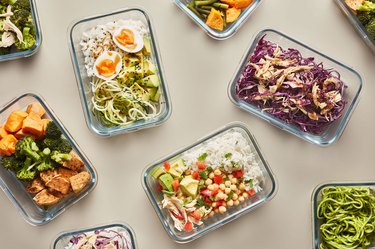
Base your meals on healthy foods, such as lean meats, low-fat dairy products, legumes, nuts and seeds, vegetables as well as some whole grains and fruits. For stable blood sugar levels, avoid skipping meals and eat every four to five hours. Meals and snacks should be composed of, ideally, lean protein, complex carbohydrates and, perhaps, a bit of healthy, unsaturated fat, according to the American Diabetes Association. Aim for eating three meals daily -- all about the same size -- and two snacks to keep hunger in check.
For example, if you are following a 2,000 calorie diet, your main meals should each provide approximately 550 calories and two snacks, approximately 175 calories each. Of course, each day may vary slightly and your meal schedule may need to be altered to meet individual needs, particularly if you take medication to control your blood sugar. Individuals with type 1 diabetes, who take insulin, need to pay even more attention to carbohydrate intake and timing throughout the day, according to the National Institutes of Health.
Eat Fiber-Rich Foods
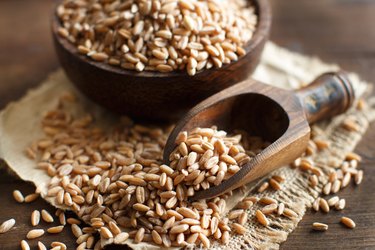
Dietary fiber is found in foods in two main forms: insoluble and soluble, both of which are important for human health. Those with type 2 diabetes may reap additional benefits from choosing foods rich in soluble fiber. Soluble fiber, as its name indicates, dissolves in water and forms a gel-like material in the digestive tract. According to the Mayo Clinic website, it is particularly beneficial for lowering blood cholesterol and blood glucose levels. Choose an overall high-fiber diet, or one that provides at least 14 g per 1,000 calories, which is the recommended intake, and concentrate on foods high in soluble fiber. Particularly soluble fiber-rich foods include chewy whole grains, such as barley and oats; citrus fruits, apples and pears with skin; legumes and starchy beans; and peas and carrots.
Try replacing white rice with quick-cooking pearled barley as a side dish; include a bean-based meatless meal for dinner at least once per week and make a low-sugar dessert that offers health benefits, such as poached pears or baked apples with skin, sweetened only with spices, such as cinnamon, and a small amount of sugar substitute.
Watch Your Portions
Eating sensibly is important but may not be adequate for controlling your blood glucose levels. Refer to the U.S. Department of Agriculture Food Guide Pyramid or MyPyramid for proper portion sizes, particularly for carbohydrate-rich foods, such as breads, cereals, starchy beans, milk products and fruits. Keep in mind that even if you have type 2 diabetes, carbohydrate-rich foods should make up at least 45 percent of total calories, according to the U.S. Department of Agriculture Dietary Guidelines for Americans. Carbohydrates are broken down into glucose to be used for energy, and many of these foods provide other essential nutrients, such as vitamins and minerals.
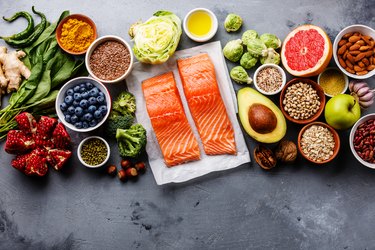
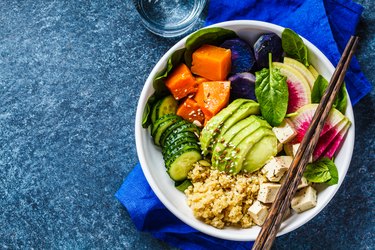
As a general guideline, choose from the following food groups at mealtime: 1 to 2 servings of grains, preferably whole grains; 2 to 3 oz. of meat or a protein alternative; one cup of vegetables; one piece of fruit (limit fruits to three servings per day and fruit juices to no more than 1/2 cup per day); and a milk product. Snacks may include an ounce of meat or a protein alternative or one cup of milk or yogurt and and a serving of whole grain or fruit. Limit your intake of fatty foods, especially foods high in saturated fats. Instead, select modestly from foods rich in unsaturated fats, such as olives and olive oil, nuts, seeds, avocados, canola oil and fatty fish.
References
- National Institutes of Health: Medline Plus: Type 1 Diabetes
- National Institutes of Health: Medline Plus: Type 2 Diabetes
- Mayo Clinic: Nutrition and Healthy Eating--Dietary Fiber: Essential for a Healthy Diet
- U.S. Department of Agriculture: Dietary Guidelines for Americans--Carbohydrates
- American Diabetes Association: Create Your Plate


