






















What Injuries Can You Get From Not Wearing the Right Exercise Clothing?

What Injuries Can You Get From Not Wearing the Right Exercise Clothing?
Photo Credit Jupiterimages/Brand X Pictures/Getty Images

If you exercise regularly, you need to be aware that injury prevention involves more than paying attention to how you move. The clothing and shoes you wear or don't wear can contribute to injury. Sometime injuries are minor, like blisters, but others can be as severe as broken bones. If you know the most common types of clothing-related exercise injuries, you can prepare for a healthy and safe workout.

Chafing and Skin Rashes

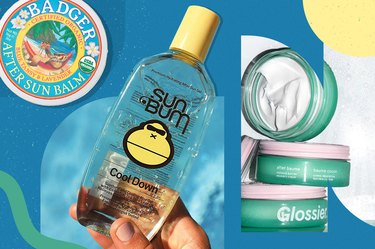
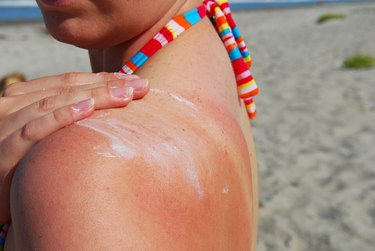
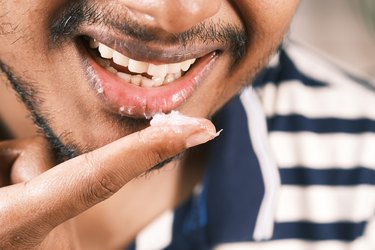
Loose clothing made from rough fabrics can cause painful chafing and skin irritation. In some instances, chafing can be severe enough to cause infection and derail training. To prevent chafing, wear close-fitting pants or shirts made from spandex or another material that minimizes chafing. Avoid cotton because it's notoriously rough on the skin. Use petroleum jelly or talcum powder to prevent and heal chafing, recommends MedlinePlus, a service of the U.S. National Library of Medicine. Sporting gear stores also sell anti-chafing gels and creams.

Muscle and Bone Injuries

Supportive shoes are important in preventing workout injuries, according to to the U.S. Department of Health and Human Services website WomensHealth. Improper shoes or ill-fitting shoes can cause you to trip or slip as you exercise, which can lead to cuts, scrapes, bruises, sprains and even broken bones. Good shoes absorb some of the shock when you run, which helps to prevent spine and joint pain and injury. Loose clothing can also pose a risk to your muscles and bones because it can cause you to trip or get caught in exercise machines.

Corns, Blisters and Foot Problems

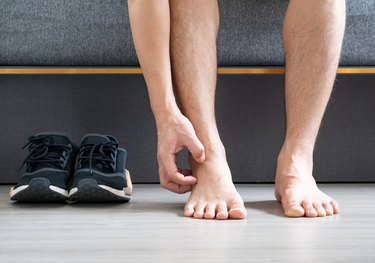
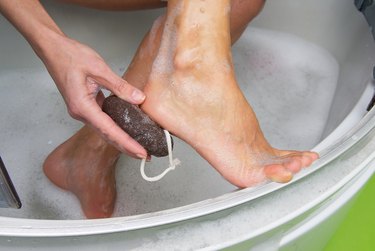
Improperly fitting shoes can cause injuries to your feet. Shoes that rub your skin repeatedly in one place can cause blisters calluses or painful corns. Shoes can harbor athlete's foot fungus, which leads to cracked and itchy skin. Sports equipment retailers can evaluate your feet to determine the best type of shoes for you. They can also detect problems in your gait, like walking on the outside of your feet, and recommend shoes to help prevent injury.

Breast Injury

Exercise without enough breast support can cause your breasts to sag. Repetitive jarring motions can stretch and tear the ligaments that hold up your breasts. Wear a snug-fitting bra designed to limit breast movement, like a sports bra or an exercise tank top with built-in breast support. Minimizing breast movement can also reduce nipple soreness and breast tenderness. Breast support also helps to minimize back and shoulder strain, according to the lingerie website Intimate Guide.

References

Article reviewed by Amy Richards Last updated on: Aug 11, 2011

Must see: Photo Galleries

Member Comments