
Overview
Potentially toxic chemicals exist in the air we breathe, food we eat and products we use on a daily basis. Some of these chemicals are more dangerous than others, and some only pose a threat in large amounts or after years of exposure. It's not always easy to know for sure what's safe and what to avoid. Read on to learn about 12 of the potentially dangerous chemicals you may come into contact with on a regular basis in common household products. Our hope is that the information in the next 12 slides will help you to make informed decisions about the foods and products that you choose to include in your home.
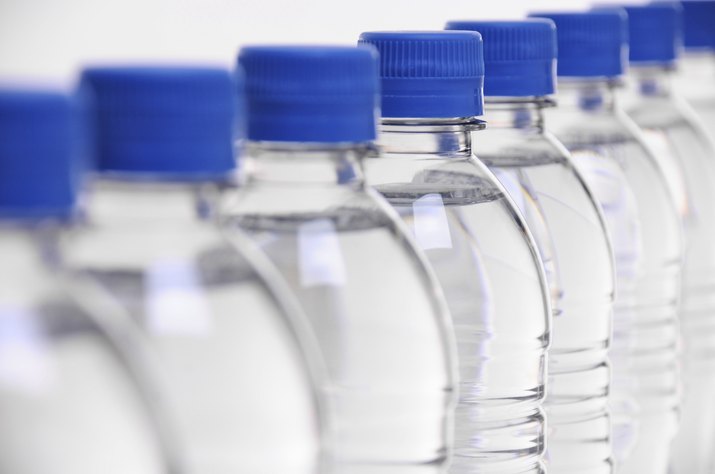
1. Bisphenol A (BPA) – Found in Bottles and Lining in Food Cans
Bisphenol A, or BPA, found in plastic bottles and lining of food cans, poses a concern primarily because exposure is so widespread. Pregnant women and children are especially at risk, as the National Institutes of Environmental Health Sciences (NIEHS) notes that animal studies have shown negative effects in newborns and fetuses after exposure. A 2005 Japanese study published in Oxford University Press journal, Human Reproduction concluded that recurrent miscarriage was associated with BPA exposure. Toxicologist Dr. Patricia Rosen also reports that BPA has potential health effects on behavior as well as the brain and the prostate gland. Although Rosen says that the low levels of BPA that occur in some foods have been deemed safe, she recommends taking precautions to avoid exposure, including limiting consumption of canned foods and avoiding heating foods in plastic containers, as heating causes BPA to leach into the food product. Because of this risk, many plastic bottles and cans are now labeled as BPA-free, so can keep an eye out for them and aim to choose those. The NIEHS also recommends storing foods in glass, porcelain or stainless steel containers and using baby bottles that are BPA-free. The institute also notes, "Some, but not all, plastics that are marked with recycle codes 3 or 7 may be made with BPA." Avoid them.
Read more: Tips to Avoid Toxins in Packaged Foods

2. Dioxin – Found in Soil, Surface Water and Plant and Animal Tissue
Dioxins are environmental chemicals produced when household and industrial wastes are burned. They're also present in soil, surface water and plant and animal tissue. Primary exposure to dioxins in humans is through contaminated food -- usually animal products, because the chemical accumulates in fatty tissues. "The problem is that this is an endocrine disruptor. What that means is that it will change, potentially, the effect of estrogen and progesterone in our bodies, causing increased risk of certain cancers," Rosen explains. "So something like breast cancer, which is very hormonally-dependent, would have an increased rate." The World Health Organization states that, due to efforts to reduce emissions, the levels of dioxin most humans are exposed to through animal products has lessened, but that pregnant women or those who intend to become pregnant should take extra steps to avoid dioxins: "A balanced diet (including adequate amounts of fruits, vegetables and cereals) will help to avoid excessive exposure from a single source." Rosen recommends that most consumers limit their dioxin exposure as much as possible by reducing their intake of animal products.
Listen now: Is Cannabis the New Kale? 'Bong Appetit' Hosts Dish on the Health Benefits of Weed and Edibles

3. Mercury – Found in Fish
Although fish is a healthy source of omega-3 fatty acids in the human diet, overconsumption can cause problems, especially when the fish is a variety high in the mineral mercury. In high amounts, as it is found in some species of fish such as shark, tilefish, swordfish and king mackerel, mercury can be poisonous. The risk is especially high for young children, and pregnant women should be careful about their fish intake to prevent problems in developing fetuses, reports American Academy of Nutrition and Dietetics spokesperson and registered dietitian Heather Mangieri. "I don't think it's fair to scare the public and say 'we need to completely avoid these,'" Mangieri says--; however, she suggests consumers, especially pregnant women and children, avoid consuming high-mercury fish and instead choose lower mercury options such as salmon, BPA-free cans of chunk light tuna and catfish.
Read more: 5 Dangerous Fish and 3 Safer Seafood Choices

4. Perfluorinated Compounds (PFCs) – Found in Nonstick Pans
If you're still using an old scratched-up, nonstick pan, you might want to consider throwing it out. Perfluorinated chemicals, or PFCs, are used in the manufacture of nonstick cookware, and they could be detrimental to your health. The Environmental Protection Agency reports that PFCs have been shown to be toxic in animal studies, exerting negative reproductive, developmental and systemic effects. According to American Academy of Nutrition and Dietetics spokesperson and registered dietitian Heather Mangieri, the risk really occurs when the pans are heated too high or when they become scratched. "You want to avoid heating those pans on super high heat, and never heat an empty pan," she says. "Another thing is to make sure you use a wooden or a silicone utensil, because PFCs can be dislodged in that nonstick coating when it gets scratched."
Read more: 13 Surprising Vegetarian Sources of Protein
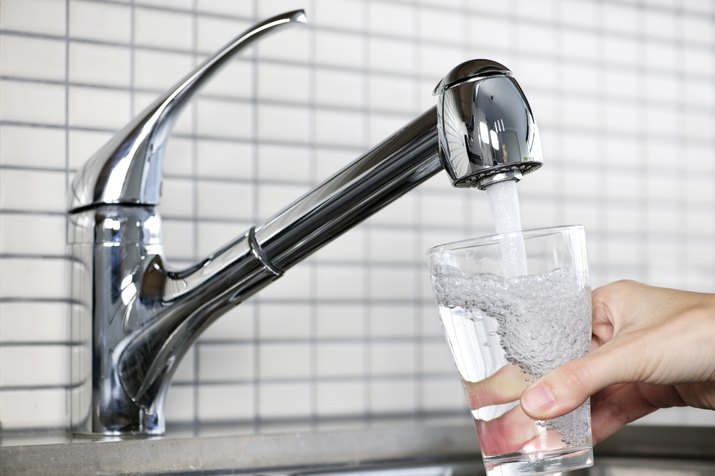
5. Atrazine – Pesticide for Corn and Sugarcane, Found in Drinking Water
Drinking water is a major source of atrazine, one of the most common pesticides used to control weeds in the cultivation of corn, sorghum and sugarcane. Although the Environmental Protection Agency (EPA) sets limits on how much can be present in the water supply, toxicologist Rosen says it's difficult to regulate without very rigid controls. In fact, the Pesticide Action Network reports that the U.S. Department of Agriculture found atrazine in 94 percent of the water it tested and that the levels of the chemical can rise above the legal limit in some parts of the country, resulting in "alarming levels of human exposure." Rosen explains: "The problems that it causes are an increased risk for cancer as well as increased cardiovascular risks. In a major city where you have monitoring of your water source, you should be fine." According to Rosen, if you're unsure, you should contact your local agency.

6. Organophosphates – Pesticide, Found in Baby Food
When you're making a choice between organic and conventional on your next visit to the grocery store, you'll want to take into consideration organophosphates -- one of the most common and most toxic pesticides used in agriculture -- and their potential dangers, especially if you have young children. According to the Environmental Working Group, more than 1 million children under the age of 6 consume an unsafe amount of organophosphates each day, and for infants, commercial baby food is the major source of unhealthy amounts of the chemical. High intakes of organophosphates are linked to increased incidence of attention-deficit hyperactivity disorder in children, and they may also have harmful effects on reproductive function. The best thing you can do for your family is choose organic products. If cost is an issue, American Academy of Nutrition and Dietetics spokesperson and registered dietitian Heather Mangieri, recommends rinsing produce thoroughly before eating it.
Read more: 20 Foods to ALWAYS Buy Organic – Even if You're on a Budget!
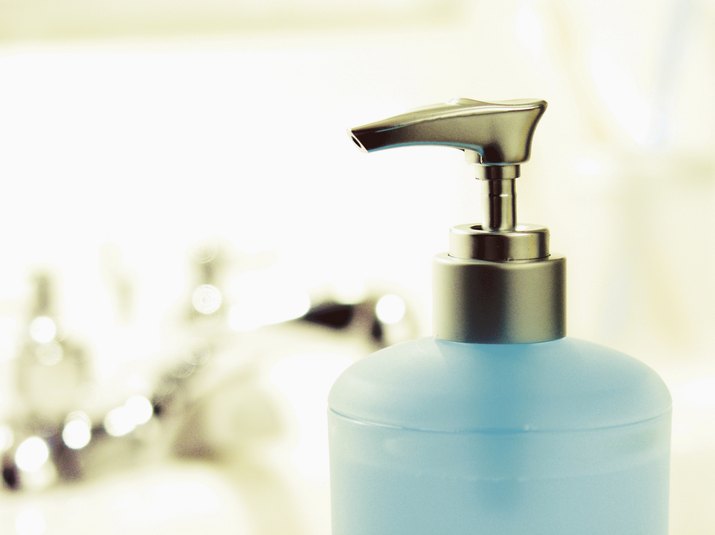
7. Glycol Ethers – Found in Cleaning Products, Cosmetics & Paints
Glycol ethers appear on product labels as any of several variations on the root name, including diethylene glycol dimethyl ether, ethylene glycol monobutyl ether and diethylene glycol monomethyl ether. Although not a hard-and-fast rule, ingredients with long names you can't pronounce are usually best avoided, and this is no exception where glycol ethers are concerned. According to the Environmental Protection Agency, glycol ethers are most commonly found in cleaning products, liquid soaps and cosmetics, where they are used as solvents. Acute exposure to these chemicals can result in necrosis, pulmonary edema and serious kidney and liver damage. Long-term exposure can cause fatigue, nausea, anemia, tremors and anorexia. Although the chemicals pose the biggest threat to people who work with them in an industrial setting, household use still places you at risk. Osteopathic physician and fellow of the American College of Nutrition Dr. Joseph Mercola cautions consumers to avoid purchasing products that list any of the glycol ethers as ingredients. Glycol ethers are used in products like paints, gum, perfume, dyes, liquid soaps and cosmetics, so be sure to check the label.
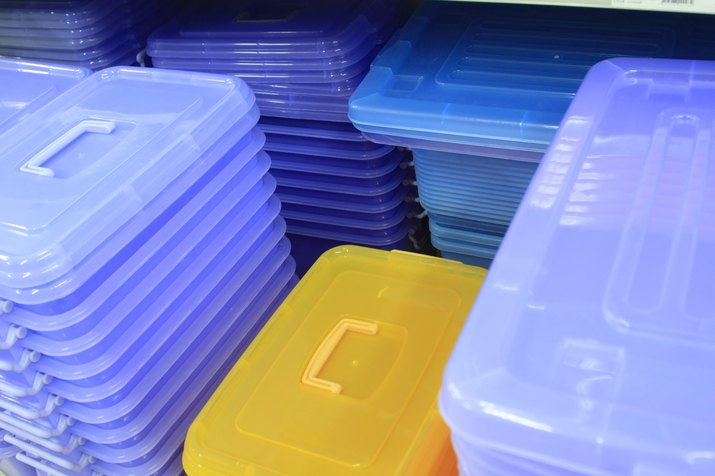
8. Phthalates – Found in Plastics, Cosmetics and Lotions
Used to increase the flexibility of plastics and also as solvents, phthalates are found in hundreds of products including plastic containers, vinyl flooring and clothing, toothbrushes, cosmetics, lotions, insect repellents and plastic toys. According to toxicologist Dr. Patricia Rosen, phthalates are endocrine disruptors, which means they mimic or suppress male and female hormones in the body and can lead to cancer, especially hormone-sensitive cancers like breast cancer. "The problem is that these chemicals are so ubiquitous," Rosen says. Humans are exposed to phthalates in the air, through ingestion of contaminated foods and beverages and through skin absorption. To protect yourself from potential hazards, the Zero Breast Cancer organization recommends using only microwave-safe, phthalate-free plastic containers and plastic wrap when heating foods in the microwave, selecting toys and toothbrushes labeled "phthalate-free" and avoiding PVC and personal care products that list phthalates among the ingredients.
Read more: 11 Banned Food Ingredients Still Allowed in the U.S.

9. Perchlorate – Used in Rocket Fuel, Found in Soil and Water
Both man-made and naturally occurring, perchlorate is a widespread contaminant used in the production of rocket fuel and explosives that can interfere with thyroid function and affect growth and development of the central nervous system in fetuses and newborns. Found in soil, surface water and groundwater, it poses a potential threat to human health because it contaminates our drinking water. According to a 2005 report by the National Academies' National Research Council, perchlorate has been found in high amounts in the drinking water supplies of more than 11 million people. Toxicologist Dr. Patricia Rosen says, however, that perchlorate isn't a problem in water supplies regulated by the Environmental Protection Agency. "If you have a good water source, you should be OK," she says. If you're not sure, you can contact your local government to find out how your water system is monitored.
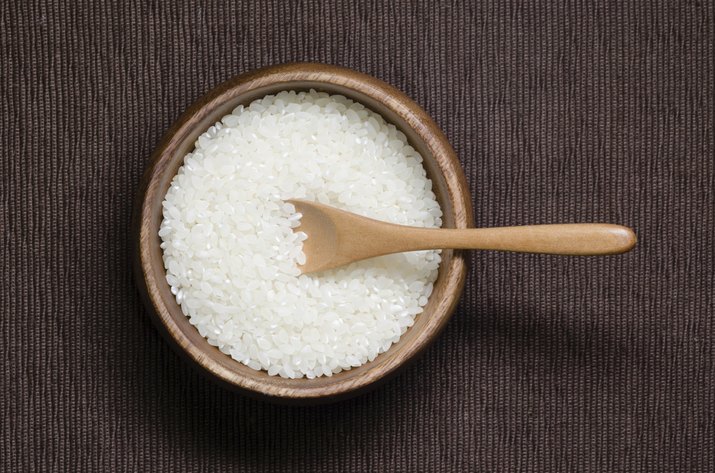
10. Arsenic – Found in Water and (in Low Levels) in Rice
Found in unregulated water supplies and in low levels in rice, arsenic -- a naturally occurring mineral element -- can cause skin problems, nausea, vomiting and diarrhea, stomach pain, paralysis, blindness and numbness of the extremities if it's ingested in large amounts. Because the Environmental Protection Agency has set limits on the amount that can be found in drinking water, people who get their water from a regulated supply face less potential risk. Rice, however, poses a bigger concern, says ConsumerReports.org, which tested more than 200 samples of a variety of rice products and found measurable amounts of both inorganic and organic arsenic. Those findings show a greater need for government regulation of the amount of the contaminant allowed in food. In the meantime, American Academy of Nutrition and Dietetics spokesperson and registered dietitian Heather Mangieri, recommends that consumers limit their intake of rice products, eating a varied, balanced diet to avoid excessive intake of any one type of contaminant.
Read more: Rice and 17 Other Foods With a "Bad" Rap That Are Actually Good for You

11. Fire Retardants – Found in Mattresses, Upholstered Furniture, Etc.
Found in household products such as upholstered furniture, mattresses, carpet padding, electronics and in the foam of kids' products such as car seats, changing tables, nap mats and nursing pillows, fire retardants are meant to keep you safe, but they could be doing more harm than good. According to the Environmental Working Group, the contaminants leach out of products and adhere to children's hands and other items they may put in their mouths. Even low exposure during development could cause reproductive damage and issues with behavior, memory, hearing, learning and motor skills in children. "Of most concern is this material called tris, a potential carcinogen," says toxicologist Dr. Patricia Rosen. The Environmental Working Group also cites polybrominated diphenyl ethers as being among the most toxic fire retardants and recommends avoiding contact with all fire retardants as much as possible until the government steps up its regulation standards.
Read more: 11 Banned Food Ingredients Still Allowed in the U.S.
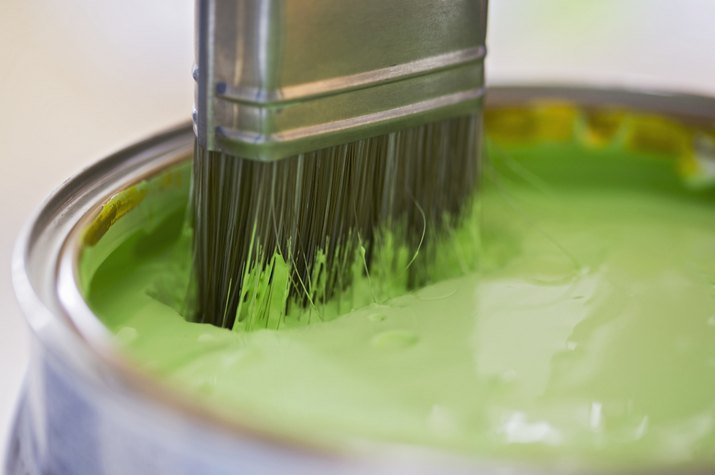
12. Lead – Found in Lead-Based Paint (Most Residential Paint Prior to 1978)
If you live in an older home, you should be aware of the effects of lead poisoning, especially if you have young children. Before 1978, most residential paint was lead-based, and even though it wasn't sold after that, the Environmental Services Department (ESD) of San Diego reports that more than 38 million homes in America still have lead-based paint. The California Department of Public Health reports that even exposure to low levels of lead can cause high blood pressure, compromised brain and kidney function and increased risk of miscarriage. In children, lead can cause developmental and behavioral problems, premature birth, low birth weight and learning difficulties. Lead dust created during the normal wear and tear of lead-based paint surfaces produces the most common source of poisoning, reports San Diego's ESD. Protect your family by having your paint inspected and removed, replaced or otherwise treated by qualified professionals.

What Do YOU Think?
Are you concerned about your exposure to these chemicals and products? Why or why not? Are there particular chemicals or products you look out for and avoid? Leave a comment below and let us know.
Read more: 11 Banned Food Ingredients Still Allowed in the U.S.
Video of the Day
Advertisement
Video of the Day
- National Institute of Environmental Health Sciences: Bisphenol A (BPA)
- National Institute of Environmental Health Sciences: Dioxins
- World Health Organization: Dioxins and Their Effects on Human Health
- EPA: What You Need to Know about Mercury in Fish and Shellfish
- Pesticide Action Network: Atrazine
- Pesticide Action Network: Organophosphates
- Environmental Working Group: Overexposed -- Organophosphate Insecticides in Children's Food
- GoodGuide: Glycol Ethers
- EPA: Glycol Ethers
- Mercola.com: Beware: Most Green Cleaning Products Contain This
- Zero Breast Cancer: Phthalates
- CA.gov: Perchlorate
- Health Implications of Perchlorate Ingestion; Committee to Assess the Health Implications of Perchlorate Ingestion, National Research Council
- EPA: Perchlorate
- EPA: Arsenic in Drinking Water
- ConsumerReports.org: Arsenic in Your Food