




































































People with restless legs syndrome experience discomforting sensations such as tingling, burning, pulling and cramping in the calves, thighs, and feet. The condition can be a minor nuisance to a life-altering struggle. While medication might be prescribed to treat this syndrome, you might also improve your well-being through yoga.
What is Restless Legs Syndrome
Restless legs syndrome is a chronic condition affecting your legs when you are sitting or lying down. To rid the feeling of discomfort, people feel a pressing need to walk around or move their legs. It can affect people of any age or sex, and tends to become more serious over time, according to the website for the RLS Foundation.
Why Yoga Helps
Yoga might be beneficial to you if you have RLS. For one, it might represent a smaller life change than resorting to daily medication, which can lead to side effects. Also, yoga might relieve some of the symptoms of RLS because it focuses on learning to relax the body, and stress can aggravate RLS, according to MayoClinic.com. Yoga also helps people learn to breathe deeply, and it also helps stabilize muscles.
Where to Practice Yoga
A yoga studio will offer the widest array of classes such as bikram, hatha, vinyasa, and ashtanga, which will appeal to people at different fitness levels. Gym and community centers will also have basic yoga classes. In any of these cases, your instructor should be certified and be able to explain the nuances of the poses. If you feel comfortable, consider telling your instructor about your RLS to receive more tailored instruction. DVDs are another option if you prefer to practice on your own.
Moderation
Federal guidelines recommend that adults get at least 30 minutes of moderate exercise most days of the week, and yoga is an ideal way to start moving. But according to MayoClinic.com, overdoing your workout or exercising too late in the day might worsen RLS. If your body feels worse after an hour-long class, reassess the time of day you take the class and the class level you should be in.
Further Help for RLS
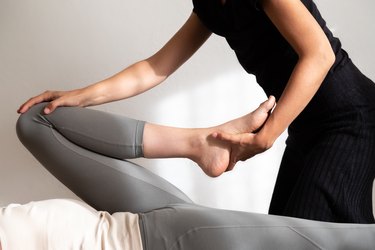
Many people with RLS do not consult doctors because they worry that they won't be taken seriously or that their ailments are too complicated. However, speaking to a medical professional is worth considering, especially if you feel RLS has reduced the quality of your life. Some doctors might prescribe medications, and suggest more lifestyle changes. Home remedies, like baths and massages, and alternative medicine are also available.


Member Comments