
























































Itchy skin, also called pruritus, can cost you valuable sleep when you toss and turn at night in discomfort, according to FamilyDoctor.org, a health and wellness resource of the American Academy of Family Physicians. Your skin may itch for a variety of reasons, and treatments include prescribed medications or over-the-counter creams and lotions. Recognize what causes itchy skin to know when you should seek your doctor's help.
Significance
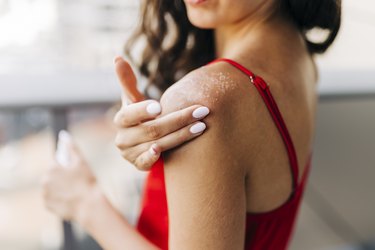
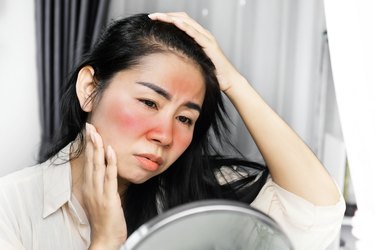
Itchy skin affects every part of your body and can often be a sign of a serious health condition, reports FamilyDoctor.org. Skin with pruritus may appear normal, although in most cases you will see roughness, blisters, redness or bumps, as well as dry, cracked skin. Your risk for itchy skin is highest if you are elderly or pregnant, have seasonal allergies, or have a serious disease like cancer, according to the Cleveland Clinic. Itchy skin becomes more intense the longer you scratch, so seek relief to ensure your well-being.
Types
Dry skin, or xerosis, is the common cause of itchy skin that appears normal and is the result of hot or cold weather, excessive washing, and extended exposure to central heating or air-conditioning. Skin conditions and rashes that produce itchiness include psoriasis, scabies, lice, chickenpox or dermatitis and are signaled by red skin, blisters and bumps. Certain substances often act as skin irritants, including soaps and cosmetics, according to MayoClinic.com. You may experience itchy skin if you have a negative reaction to antibiotics or pain medications. Itching over your entire body could indicate a serious health condition, such as liver disease, kidney failure, leukemia, lymphoma or cancer.
Prevention/Solution
Wear gloves at night and avoid scratching when possible, as the activity worsens your discomfort. Anti-itch lotions or creams containing hydrocortisone or oral antihistamines available at your drugstore often remedy severe itching, while covering the affected area with a cool bandage or soaking in a comfortable bath reduces irritation. Always rinse soap thoroughly from your body after a bath and avoid soap that contains perfumes or dyes. The Cleveland Clinic recommends using unscented laundry detergent for towels, clothes and bedding as a way to reduce your risk of itchy skin.
Warning
Continued scratching without treatment may lead to neurodermatitis, or leathery and thick skin that is red or dark, states MayoClinic.com. Your risk is also higher for bacterial skin infections and permanent scarring when you scratch over an extended period of time.
Expert Insight
Notify your physician if itchy skin extends longer than two weeks and keeps you awake at night even after self-treatment, or if the itching affects your whole body, according to FamilyDoctor.org. Sudden weight loss, fever or frequent urination are also signs that you need a doctor's care. Help your doctor diagnose the cause of your itchy skin by making a list of your symptoms as well as any medications, vitamins or supplements that you take.
Potential
Your doctor may recommend light therapy, or phototherapy, as a treatment for itchy skin. The treatment involves the use of ultraviolet light and often requires multiple sessions to cure the itching, according to MayoClinic.com.
References
- Mayo Clinic: Itchy Skin (Pruritus): Symptoms
- Cleveland Clinic: Pruritus
- American Academy of Family Physicians: Skin Problems: Dry, Itchy Skin
- Mayo Clinic: Itchy Skin (Pruritus): Treatment and Drugs
- American Academy of Dermatology: Pruritus and Xerosis
- Mayo Clinic: Itchy Skin (Pruritus): Lifestyle and Home Remedies


Member Comments