


















































People with type 1 diabetes produce little or no insulin at all. Insulin is responsible for getting sugar from the bloodstream into the cell to supply it with energy. To manage blood sugar, people with type 1 diabetes have to give themselves insulin injections. You may experience weight gain when giving yourself insulin, according to the University of Maryland Medical Center. Managing your diet can help you control both your weight and blood sugar.
Diabetes Exchange Diet
To lose weight, you need to eat fewer calories than your body needs. Following a calorie-controlled diet can help you achieve your weight-loss goals. The diabetes exchange diet is an example of a calorie-controlled meal plan specifically designed for people with diabetes. It teaches you how to make healthy food choices to control both blood sugar and weight. On the exchange diet, you are allowed to eat a certain number of servings from each food group, based on your calorie needs. Food items within each group contain about the same amount of calories, carbohydrate, protein and fat, and can be exchanged for one another when meal planning.
Low-carbohydrate Diets
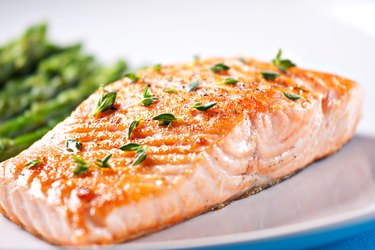
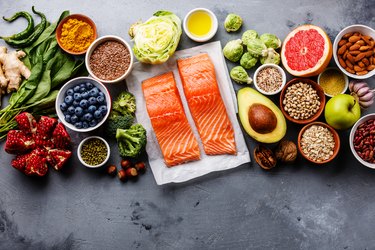
The American Diabetes Association says a low-carbohydrate diet may be an effective means to help promote weight loss in the short term for people with diabetes. A low-carbohydrate diet usually limits total carbohydrate intake to 50 to 150g a day. Limiting your carbohydrate intake will reduce your insulin needs and likely your total calorie intake helping you lose weight. Your intake on a low-carbohydrate diet primarily consists of protein foods, fats and low-carbohydrate vegetables. People with diabetes have higher rates of heart disease and should choose lean sources of protein, such as poultry and fish, and heart-healthy fats, such as monounsaturated and polyunsaturated fats, when following a low-carbohydrate diet.
Create Your Plate
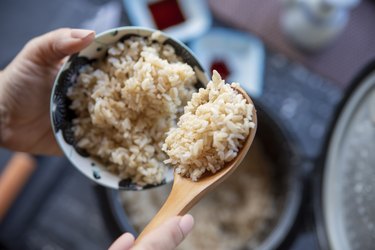
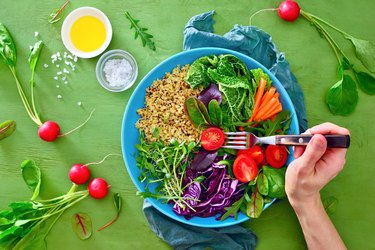
Create Your Plate is a diet plan developed by the American Diabetes Association that teaches you how to decrease your caloric intake without counting calories or measuring food to help you get to a healthier weight. Create Your Plate helps you control portion sizes with your dinner plate. Begin by dividing your plate in half, and then divide one half in half again. Fill the largest section of your dinner plate with non-starchy, low-calorie vegetables such as broccoli or green beans. Fill one of the smaller sections with a portion of lean protein, such as chicken or beef eye of round. And fill the other smaller section with a portion of starch, such as brown rice or roasted potatoes. Add a low-calorie salad and a piece of fruit to round out the meal and keep you satisfied.
References
- International Diabetes Federation: Types of Diabetes
- University of Maryland Medical Center: Type 1 Diabetes
- MayoClinic.com: Low-Carb Diet: Could It Help You Lose Weight?
- Diabetes Care: Nutrition Recommendations and Interventions for Diabetes
- MayoClinic.com: Your Diabetes Diet: Exchange List
- American Diabetes Association: Create Your Plate


