


























Lip Dryness With Chap-Stick

Lip Dryness With Chap-Stick
Photo Credit Jupiterimages/Goodshoot/Getty Images

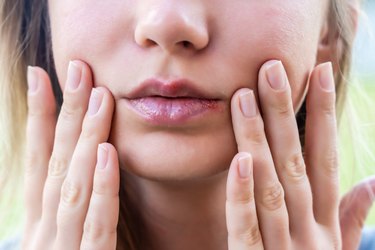
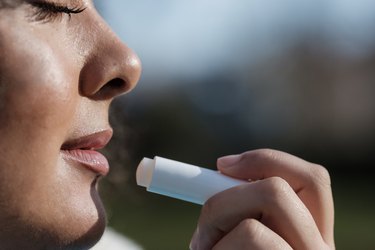
Millions of people use lip balms and glosses for cosmetic purposes and to treat and prevent dry, chapped lips. However, these products sometimes contain ingredients that worsen dryness by causing irritation. Furthermore, wearing a lip balm or gloss outdoors might promote skin cancer if your lip treatment does not provide protection from the sun.

Irritants

Certain ingredients in lip balms can cause irritation. A common source of irritation in lip balm is fragrance or flavor. Flavored lip balm can also cause you to lick your lips more frequently which causes further irritation. Other irritating ingredients commonly found in lip balms include lanolin, paraben and phenol. So-called botanical plant ingredients found in many lip balms can also cause allergic reactions, according to a 2008 story in The Baltimore Sun.

Sun Protection

To protect your lips against sun damage, choose a lip balm or gloss containing sunscreen. According to dermatologist Dr. Bruce Robinson, the moisture in lip balm can cause a thinning of the protective outer layer of skin on the lips, allowing ultraviolet rays to penetrate deeper layers of the epidermis. Shiny lip glosses may also cause the sun's light to penetrate deeper into the skin. However, wearing a lip balm containing SPF can help protect lips from the dangers sun exposure, according to 2008 article at MSNBC.com.

Expert Recommendations

In addition to sunscreen, look for some key ingredients in a lip balm. To prevent chapped lips, Mayo Clinic dermatologist Lawrence E. Gibson recommends using an oil-based lubricating cream or lip balm containing petrolatum or beeswax. Dr. Marcia Driscoll, a professor of dermatology at the University of Maryland, recommends treating chapped lips with any simple petroleum jelly which is free of fragrances.

Homemade Lip Balm

To avoid the irritating substances found in many commercial lip balms, you can also create your own lip balm using a few natural emollients. Some people may also wish to make their own lip balm to avoid common store-bought lip balm ingredients such as petroleum products, synthetic chemicals and animal-tested ingredients. You can make your own lip balm at home using shea butter, beeswax, cocoa butter, vitamin E and peppermint oil. However, this formula does not offer any protection from the sun, according to a 2008 story in The New York Times.

Prevention

Besides using nonirritating lip balm, a few other steps can prevent lip dryness, including avoiding licking your lips, breathing through your nose instead of your mouth, and staying hydrated by drinking plenty of water. In cold, dry weather, it also helps to cover lips with a scarf before going outdoors and to use a humidifier to moisten the air at home, according to MayoClinic.com.

References

Article reviewed by Kirk Ericson Last updated on: Jun 14, 2011

Must see: Photo Galleries

Member Comments