















































Probiotics for Antibiotic-Associated Diarrhea

Probiotics for Antibiotic-Associated Diarrhea
Photo Credit Jupiterimages/Comstock/Getty Images

Your body is home to a number of friendly microorganisms, called probiotics, that help ward off invasions of less congenial microorganisms. Unfortunately, antibiotics cannot differentiate between good bacteria and bad bacteria. A course of antibiotic therapy can decrease the population of healthy bacteria that normally reside in your intestines and leave you suffering from a case of antibiotic-associated diarrhea. Luckily several varieties of probiotic microorganisms can be safely consumed via food sources or in supplements and extracts available at natural food stores.

Lactobacilli

The health benefits of probiotics are dependent on which strain of microorganism is in question. Lactobacilli are a type of friendly bacteria that have been shown to reduce the occurrences of antibiotic-associated diarrhea by up to 60 percent, according to the Harvard Medical School Family Health Guide. Harvard advises that more studies are needed to confirm these findings, but notes that probiotics are generally considered safe for consumption. The University of Michigan Health System has listed two varieties of this type of bacteria -- Lactobacillus casei and Lactobacillus acidophilus -- as being helpful in preventing antibiotic-induced diarrhea.

Saccharomyces

Not all probiotics are bacteria. Saccharomyces is a type of yeast that has demonstrated probiotic properties. The University of Michigan Health System recommends saccharomyces for patients who are taking the macrolide antibiotic Azithromycin. Saccharomyces cerevisiae, which is also known as brewer's yeast, and Saccharomyces boulardii have both demonstrated effectiveness in fighting off recurrences of diarrhea related to the bacterium Clostridium difficile, which sometimes over colonizes the intestines following antibiotic therapy.

Bifidobacteria

Bifidobacteria are another type of bacteria that can help in the prevention and treatment of antibiotic-associated diarrhea. According to research by Aloysius L. D'Souza of the Imperial College School of Medicine at Hammersmith Hospital in London, two varieties, Bifidobacterium longum and Bifidobacterium bifidum, have been used clinically to reduce antibiotic-associated diarrhea, though many doctors shy away from recommending them to patients. D'Souza notes that bifidobacteria survive in the gastrointestinal system and reduce the fecal counts of clostridia. He states that bifidobacteria interfere with the ability of pathogens such as clostridia to induce illness.

Probiotic Foods

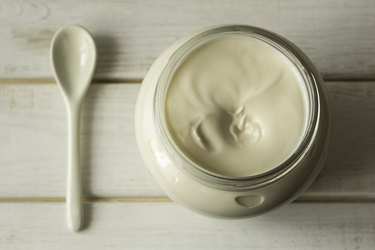
If you're seeking to increase your consumption of probiotics, you can do so without resorting to pills or extracts. Fermented dairy products such as yogurt, buttermilk, kefir and sour cream contain friendly bacteria that may help you avoid anti-biotic induced diarrhea. Look for products that advertise the presence of "live" or "active" cultures; only these will contain the probiotics you're looking for.

References

Article reviewed by Dirk Cable Last updated on: Nov 16, 2010

Must see: Photo Galleries