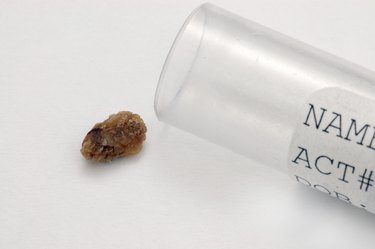
A stone is a hard piece of material that forms in your kidneys when calcium, oxalate or phosphorus substances in the urine become concentrated. Kidney stones are one of the most common urinary tract disorders and may be extremely painful to pass. Research has found that certain foods, minerals, and fluids may actually promote kidney stone formation, especially in susceptible individuals. Learn what foods to avoid to help prevent the recurrence of stones.
Identify the Kidney Stone
Video of the Day
Two types of stones may be affected by the diet — calcium stones, which include calcium oxalate and calcium phosphate stones, and uric acid stones. Calcium oxalate stones are the most common and can be caused by high calcium and oxalate excretion. Calcium phosphate stones can be caused by both high calcium and high pH levels in the urine. Uric acid stones form when acidic urine that has a low pH becomes concentrated with uric acid.
Video of the Day
Related Reading
Limit Animal Protein
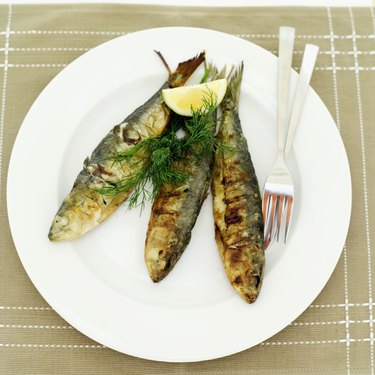
Animal protein may increase the risk for both calcium and uric acid stones. Purine is a compound found in animal protein that is broken down into uric acid in the urine and can lead to uric acid stone formation. Foods highest in purines include organ meats, such as liver, heart and kidney; anchovies; sardines; mackerel; codfish; herring; mussels; scallops; shrimp; veal; bacon; and gravy. Avoid these foods if you are at risk for uric acid stones. The acid in animal protein can also increase calcium and decrease citrate excretion in the urine, which may be associated with increased risk for calcium stones. To prevent recurrence of uric acid and calcium stones, limit animal protein to 6 ounces per day.
Avoid Sodium

Sodium may increase your risk of calcium oxalate and phosphate stones by causing your kidneys to excrete more calcium in the urine. The calcium can combine with oxalate and phosphorus to create stones. To limit sodium to 2,300 milligrams per day, avoid typical high-sodium foods, such as fast food, canned soups and vegetables, pickled foods, processed frozen meals, luncheon meats, hot dogs and snack foods. Look for hidden sources of sodium on the ingredients list, such as monosodium glutamate, sodium alginate, sodium nitrate or nitrite, baking powder, baking soda and disodium phosphate.
When to Avoid Oxalate & Vitamin C
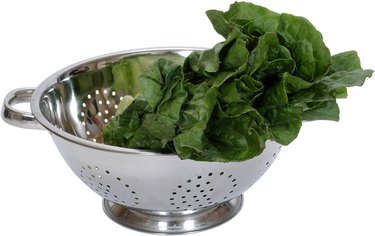
Limit the oxalate in your diet if you are at risk for calcium oxalate stones. Foods high in oxalate can increase levels in the urine. When oxalate combines with calcium, calcium oxalate stones are formed. High-oxalate foods include spinach, beets, rhubarb, nuts, wheat bran, buckwheat and chocolate. There is also some evidence that doses vitamin C or ascorbic acid supplements greater than 2,000 mg may increase stone formation in those who are at risk.
Stone-Promoting Fluids

Fluid intake is extremely important for those with kidney stones. Fluids dilute the urine and reduce the concentration of minerals that form stones. Choosing the right fluids is key. Some research shows that certain fluids, such as dark colas, contain phosphoric acid and may increase your risk for kidney stones. Soda intake in general is associated with weight gain, which also increases the risk for kidney stones. Avoid sodas altogether to help reduce recurrence of stones. Drink mostly water and aim to consume between eight to 12 cups of fluid per day to help prevent all types of kidney stones.
Is this an emergency? If you are experiencing serious medical symptoms, please see the National Library of Medicine’s list of signs you need emergency medical attention or call 911.