Inflammation occurs through a complex series of reactions to prevent infection and heal your body. Although inflammation can be helpful in certain circumstances, chronic inflammation increases your risk of cardiovascular disease. Some alternative medicine proponents believe a special diet based on your blood type may reduce chronic inflammation and improve overall health. There is no scientific evidence to support the use of the blood type diet, although some foods permitted by the diet may reduce inflammation. Discuss your diet plans with a doctor before beginning an anti-inflammatory diet for those with type O-positive blood.
Blood Type Diet Features
Video of the Day
Peter D'Adamo, a naturopathic physician and author of "Eat Right 4 Your Type," says that following a specialized meal plan based on your blood type is superior to conventional diet approaches. D'Adamo believes that proteins on your blood cells react negatively with certain foods, causing weight gain and chronic medical conditions. The blood type diet requires you to eat specific foods based on your blood type to limit these negative interactions and improve your overall health. No scientific evidence suggests that the blood type diet reduces inflammation or promotes weight loss.
Video of the Day
Type O Diet Foods
Early humans with type O blood lived a hunter-gatherer lifestyle. The blood type diet recommends that modern people with type O blood eat meat and produce, consistent with their hunter-gatherer history. Being O-positive or O-negative does not modify the blood type diet plan. According to the blood type diet, type O people should eat beef, lamb, mutton, cod, herring, pumpkin seeds, walnuts, olive oil, pinto beans, black-eyed peas, leafy green vegetables, tomatoes, plums, figs, grapefruit and berries. They should not eat oranges, melons, corn, wheat, mustard greens, cauliflower, lentils, Brazil nuts, cashews, pistachios or dairy products.
Anti-Inflammatory Foods
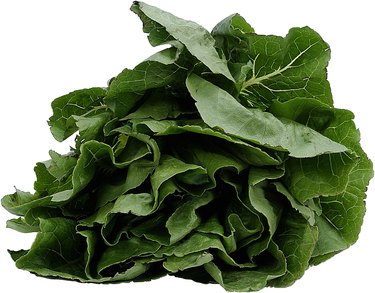
Certain foods contain chemicals that reduce inflammation and prevent chronic illnesses. The type O diet plan includes some of these foods. Leafy green vegetables, olive oil, walnuts, fruits and vegetables have anti-inflammatory properties and are permitted on the type O diet. However, the type O diet forbids several foods with beneficial anti-inflammatory properties. Whole-wheat products, bulgur, strawberries, blackberries, pepper, peanuts, pistachios, citrus fruits and tea reduce inflammation. Additionally, eating large amounts of beef, venison, mutton and other red meats as recommended by D'Adamo increases inflammation.
Health Concerns
Few mainstream medical providers recommend the blood type diet as a way to reduce chronic inflammation. No scientific studies have demonstrated that certain foods interact better with blood proteins than others. According to Juliette Kellow, a dietitian in the United Kingdom, the type O diet plan eliminates important food groups and may cause nutrient deficiencies. Eating a variety of foods, including fish, leafy green vegetables, nuts, fruits and healthy fats is a better dietary approach to reduce chronic inflammation. Discuss your food choices with your doctor to make sure they are appropriate for you.
- D'Adamo: What Makes a Type O an Individual?
- Dr. Lam: Blood Type Diet - Type O
- Brain Research Institute: Wonderfoods
- Harvard Medical School: What You Eat Can Fuel or Cool Inflammation, a Key Driver of Heart Disease, Diabetes, and Other Chronic Conditions
- University of Wisconsin Department of Family Medicine: The Anti-Inflammatory Diet
- Weight Loss Resources: The Blood Type Diet