




























































A Diet for Gestational Diabetes While Pregnant

A Diet for Gestational Diabetes While Pregnant
Photo Credit Creatas Images/Creatas/Getty Images

Gestational diabetes is a type of diabetes that occurs only when a woman is pregnant. However, if not managed well, gestational diabetes can predispose a woman to type 2 diabetes later in life. Fortunately, many women can manage gestational diabetes for the duration of their pregnancy simply with a few dietary changes.

Types of Foods to Eat

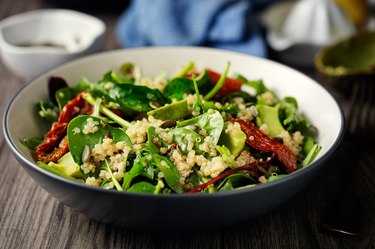
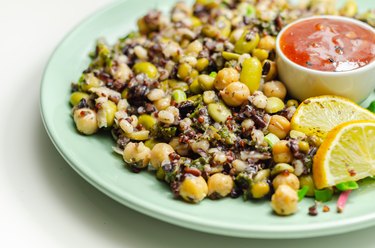
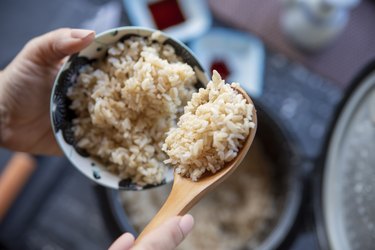
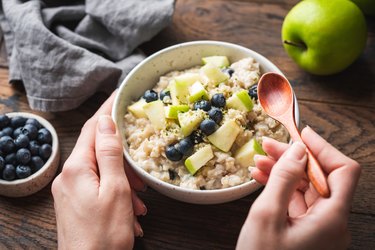
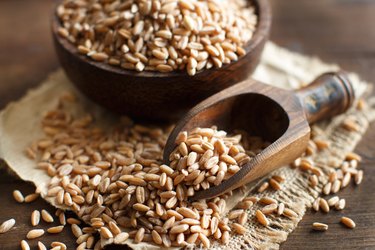
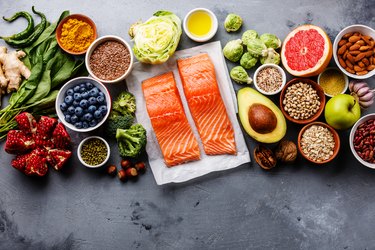
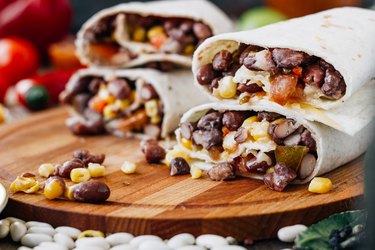
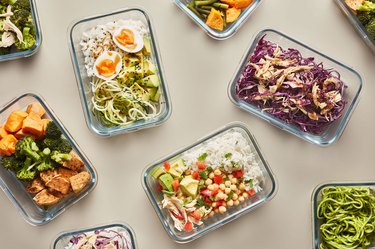
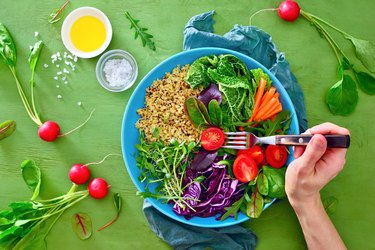
When a woman has gestational diabetes, she must keep her blood sugar levels from getting too high or too low. The Mayo Clinic advises women with gestational diabetes to include lots of fruits, vegetables and whole grains in their diet. Whole grain crackers and cereals are high on the list. These foods are high in nutrients and low in calories. In addition, they tend to be high in fiber. Fiber can help pregnant women feel more satisfied, and less likely to have high sugar snacks between meals.

Limiting or Avoiding Certain Foods

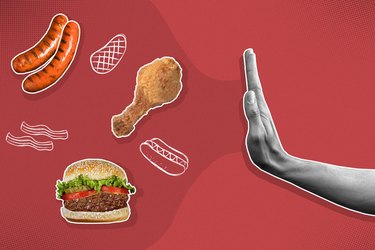
Foods that are carbohydrate-heavy, or high in concentrated sweets, can cause blood sugar levels to elevate. In addition, the Mayo Clinic advises women with gestational diaetes to avoid foods that are high in calories but low in nutrition. While it is not harmful for a pregnant woman to indulge in a craving from time to time, she should be aware of the effect this may have on her blood sugar levels. Monitoring blood glucose regularly at home can help pregnant women make appropriate food choices based on their blood sugar levels.

Considerations for Insulin

Some pregnant women require insulin to keep blood sugar levels in check. However, the Mayo Clinic reports that this only applies to around 15 percent of all women with gestational diabetes. Most can get along just fine by monitoring what they eat and keeping track of their blood glucose levels. Some women may take oral pregnancy-safe diabetes medications instead of using insulin.

Putting It All Together

Women with gestational diabetes need to maintain a steady, healthy weight gain and keep their blood sugar levels from fluctuating too high or too low. While some women can handle these new changes without much assistance, this may be daunting for many other women with gestational diabetes. Because of this, the Mayo Clinic recommends they consult a nutritionist, especially as every woman's nutritional needs during pregnancy may vary. A standard gestational diabetes diet will not work for everyone.

Warning

The importance of maintaining a healthy diet and blood sugar levels during pregnancy cannot be reinforced enough. Not only does out-of-control blood sugar spell problems for mom, but it can impact the developing baby's health as well. It can cause babies to be born larger, or make them more prone to developing diabetes later in life. In addition, pregnant mothers with gestational diabetes may be more prone to diabetes as they age. Finally, uncontrolled gestational diabetes can cause blood pressure levels to rise during pregnancy, and may increase the risk of urinary tract infections.

References

Article reviewed by Lisa Michael Last updated on: Nov 22, 2010

Must see: Photo Galleries