











































White blood cells, also known as leukocytes, help your body fight disease. A low white blood cell count is known as leukopenia. According to Mayo Clinic, a general guideline for low white blood cell count is below 3,500 cells per microliter of blood. There are several possible causes of a low white blood cell count, including viral infections, congenital disorders, cancer, autoimmune disorders and drugs. A few key foods provide nutrients that directly influence the production and effectiveness of white blood cells. Always consult your physician before using diet as a remedy to treat a serious health condition.
Garlic
Garlic stimulates the multiplication of white blood cells. It also increases the efficiency of antibody production. According to Dr. William Sears, the immune-boosting benefits of garlic seem to be from its sulfur-containing compounds. Garlic can also act as an antioxidant, removing free radicals from the bloodstream.
Fruits and Vegetables
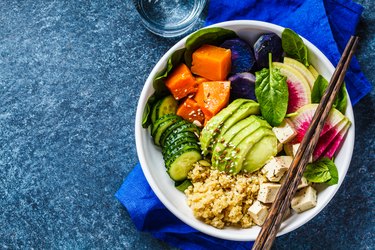
Eating at least six servings of fruits and vegetables should provide a sufficient amount of vitamin C to boost your immune system. Vitamin C increases the production of white blood cells and antibodies and increases your levels of interferon. Fruits with high levels of vitamin C are guava, papaya and strawberries.
Meat and Shellfish
Oysters, crab, beef and the dark meat of turkey all contain high levels of zinc. Zinc not only increases the number of white blood cells, is also helps them fight infection more aggressively. Zinc increases the number of killer cells that fight against cancer and allows the white blood cells to release more antibodies. Getting zinc from your diet is safer than ingesting a supplement, as too much zinc can inhibit immune function. A safe amount of zinc is 15 to 20mg per day.
Fatty Fish
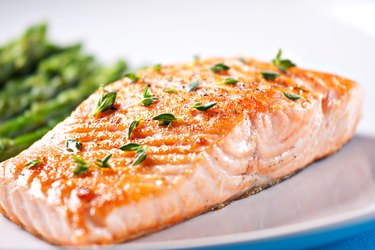
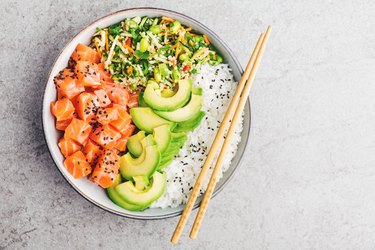
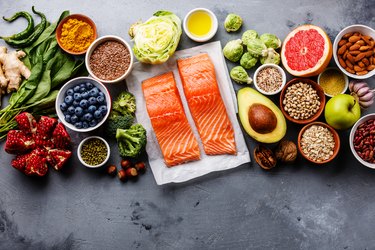
Tuna, salmon and mackerel are excellent sources of omega-3 fatty acids. These fatty acids increase the activity of the white blood cells that function to ingest bacteria in the bloodstream.


