Chances are, the only time you think about your blood is when your doctor sends you to get blood drawn. Most of the dialogue around health, particularly heart problems, focuses on diet and exercise. However, thick blood can put you at risk for heart attacks and stroke. Some foods can help thin your blood, but they're not as effective as medications.
How Blood Travels
Video of the Day
Your circulatory system is an incredible web of blood vessels that transport blood throughout the body. Think of blood vessels as roads. There are massive highways with multiple lanes of traffic that can take you all over the country. There are smaller roads that split off from those highways that can go between towns. Then there are even smaller roads that go to neighborhoods.
Video of the Day
What Blood Does
Blood has to travel throughout your body to provide nutrients that help your cells sustain themselves and grow. Blood carries oxygen throughout your body and glucose for fuel. It also picks up toxins, like carbon dioxide and other harmful chemicals, and carries them to the right place for your body to expel them.
Needless to say, blood is extremely important. About half of your blood is made of fluid, called plasma. Plasma contains water, salts and protein. The other half is solid and composed of red blood cells, white blood cells and platelets.
What Makes Blood Thick
The platelets in your blood are coagulants, which means they can stick together to stop bleeding. Blood clotting is an extremely important survival mechanism that can save your life. If you sustain a cut, the platelets near the cut release a chemical called thromboxane that makes them attract and stick to other platelets. They form a large wall that stops the bleeding, allowing you to heal.
Unfortunately, blood clotting in your veins and arteries is dangerous. Platelets can stick together inside your blood vessels, stopping blood flow. Without blood, your organs can stop working. Blood clots are the cause of strokes and most heart attacks.
If you have a blood clot, you need blood-thinning medication to break it up. Warfarin is one of the most well-known and frequently prescribed blood thinners.
Foods High in Vitamin K
While taking blood-thinning medication, you're not supposed to eat more foods containing vitamin K than you already eat. That's because vitamin K is a coagulant, meaning it helps create blood clots.
Warfarin actually prevents vitamin K from doing its job, which breaks up blood clots. Vitamin K helps proteins bind to your blood cells, which allows them to stick together. That's why a deficiency in vitamin K can lead to excessive bleeding.
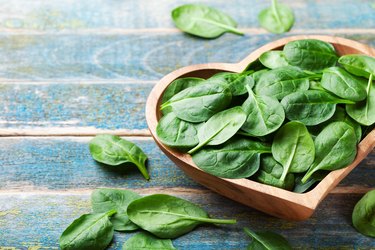
Green leafy vegetables like kale and spinach are high in vitamin K, as well as Brussels sprouts and broccoli. Fish, meat and eggs are animal sources of vitamin K. Avoid these if you want to thin your blood.
Foods That Thin Blood
If you're concerned that you're at risk for blood clots, but haven't been prescribed a blood-thinning drug, you might search for natural options like food. Otherwise, your only option is to use prescription medication.
No matter what you choose to do, check with your doctor first to make sure that it's safe. Keep in mind that blood-thinning drugs are far more effective than any foods or supplements. At best, there will be a slight change in blood thickness if you eat the right food or use a dietary supplement.
Read more: List of Natural Blood Thinners
Fish Oil Supplements
While it's not technically a food, fish oil supplements are benign supplements with concentrated amounts of omega-3 fatty acids, normally found in fish. Fish oil supplements may reduce the risk of heart problems and inflammation in the body.
In 2017, a team of researchers reviewed 52 studies on fish oil to see if it increased bleeding risk. Their results, published in the Danish Medical Journal, show that bleeding risk wasn't increased. However, platelets were less likely to clump up and stick together.
While it may not exactly thin blood, fish oil does reduce platelets, which make blood clot. That means it could help prevent the risk of clots that result in strokes and heart attacks.
Garlic as a Blood Thinner
Garlic may make your breath stink, but its benefits go beyond adding flavor to your dish. Similar to fish oil, the benefits are hard to get if you eat garlic. Taking a supplement is the only way to get enough nutrients from garlic to make a big difference in your body.
An article from the National Center for Complementary and Integrative Health warns that you shouldn't take a garlic supplement while you're on warfarin, because garlic acts as a blood thinner.
Furthermore, they advise that if you have an upcoming surgery, you should stay away from garlic supplements because of the increased risk of bleeding. However, there aren't any specific recommendations on the amount of garlic you need to take to get this blood-thinning effect.
Read more: Does Garlic Thin the Blood?
Vitamin E Fights Vitamin K
While vitamin K is the blood-thickening vitamin, vitamin E is its antagonist. An article from MedlinePlus warns that if you're taking a vitamin K supplement, you should stay away from vitamin E, because they interfere with each other.
It should come as no surprise, then, that vitamin E can have blood thinning effects. That's why Massachusetts' Winchester Hospital warns that you shouldn't take a vitamin E supplement along with a blood thinner like warfarin, because it can make your blood too thin.
Foods that contain high levels of vitamin E are fatty because it's a fat-soluble vitamin. Vegetable oils like canola oil and safflower oil have vitamin E. Almonds, peanuts and sunflower seeds contain vitamin E. Green, leafy vegetables like spinach and broccoli aren't high in fat but contain the vitamin.
While eating foods high in vitamin E will naturally raise your levels of the vitamin, it's hard to get enough of it to thin your blood unless you take a supplement.
Bromelain Can Thin Blood
Another supplement that isn't found in high quantity in food is bromelain. Pineapples naturally contain the chemical, but the amount in a pineapple is too little to have an effect. Like many other natural blood thinners, it's not recommended to take bromelain along with another blood thinner because it can thin your blood too much.
Drinking Thins Blood
There aren't too many health benefits to drinking, but it can thin your blood enough to prevent strokes. Alcohol prevents your blood cells from sticking together, according to an article from alcohol.org. If your blood cells don't clot well, they won't form blockages in your blood vessels that cause strokes.
- MedLinePlus: Blood
- Stroke Association: Anti-Clotting Agents Explained
- Danish Medical Journal: No Impact of Fish Oil Supplements on Bleeding Risk
- National Center for Complementary and Integrative Health: Garlic
- MedlinePlus: Vitamin K
- Winchester Hospital: Health Library
- MedlinePlus: Vitamin E
- Alcohol.org: Alcohol Acting as a Blood Thinner
- Penn State Hershey: Bromelain
- Colorado State: VIVO — Pathophysiology: Vitamin K
Is this an emergency? If you are experiencing serious medical symptoms, please see the National Library of Medicine’s list of signs you need emergency medical attention or call 911.