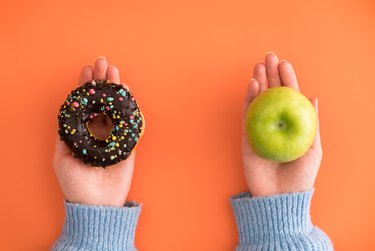


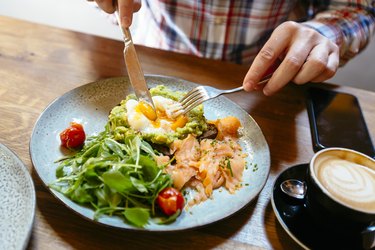

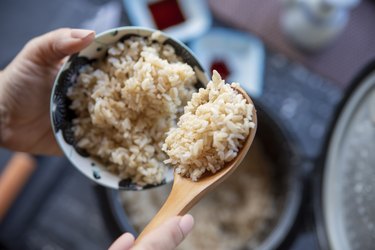
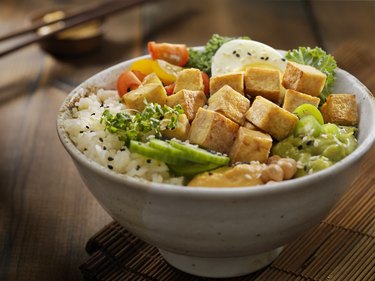










If you're trying to lose weight, portion size matters. There's a world of difference between a portion and a serving, notes the Weight Control Information Network, or WIN. A portion is how much you choose to eat in one sitting, while a serving size is a measured amount. Restaurants and fast food joints that dish out generous portions may have skewed the way you see food, and chances are excellent that a normal serving of the same food appears minuscule compared to its sum total. To lose weight, you don't need to eat very small portions to reach your target weight -- just the right serving amounts recommended for your age, height, weight, gender and level of physical activity.
Step 1
Read the Nutrition Facts label on food packaging. Very few canned and boxed grocery items are meant to represent just one serving, cautions WIN. The Nutrition Facts panel defines how many servings are in your food item and describes the serving in concrete terms, such as cups and grams. The label also notes how many calories are in one serving of your food and outlines its nutritional value. The U.S. Food and Drug Administration, or FDA, suggests restricting the amount of total fat, cholesterol and sodium in your food; any nutrient that provides 5 percent, or less, of your Daily Value is considered low.
Step 2
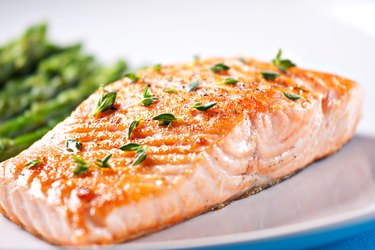
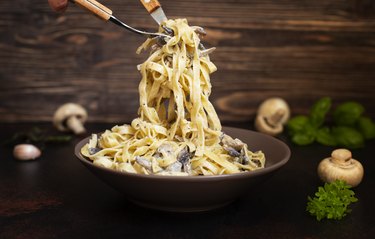
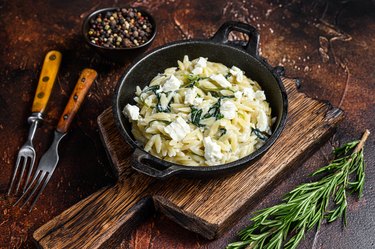
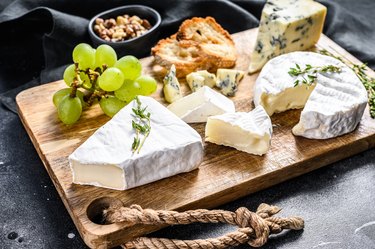
Visualize normal serving sizes. This method comes in handy if you don't have a scale or measuring tools at hand. Compare the portions you eat to common household items so you get an idea of what a single serving looks like. For example, a 3-oz. serving of fish is about the size of a deck of cards. A 1/2-cup serving of pasta or cereal is the size of a hockey puck. A 1-oz. serving of cheese is the size of two dominoes. A 1-tbsp. serving of salad dressing fills half of an empty walnut shell.
Step 3
Downsize, don't supersize. Larger portions may seem like a deal for your wallet, but not your weight. WIN advises passing over large combo meals and ordering only what you need. At restaurants, order an appetizer rather than an entree. Share generous portion sizes with a friend or bag up half of the meal and take it home. The added sugar in "supersized" soft drinks can blow your daily calorie budget; drink water, an unsweetened beverage or a sugar-free soft drink instead.
Step 4
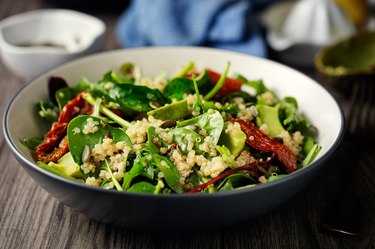
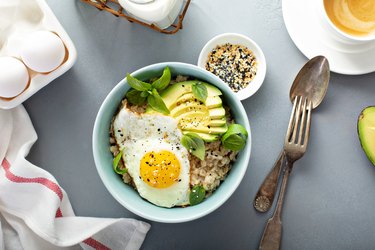
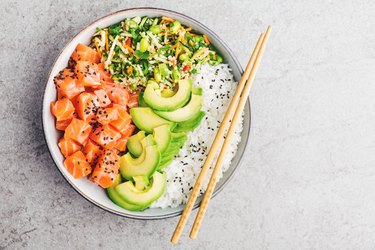
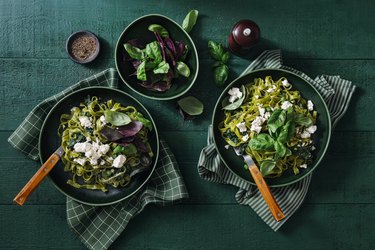
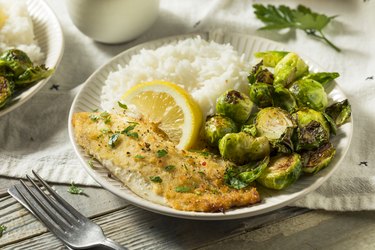
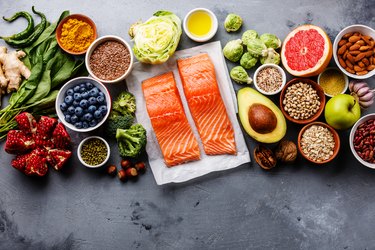
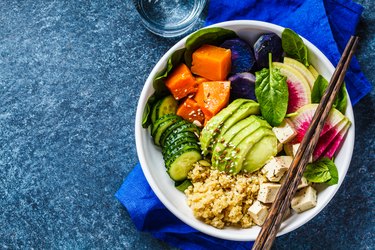
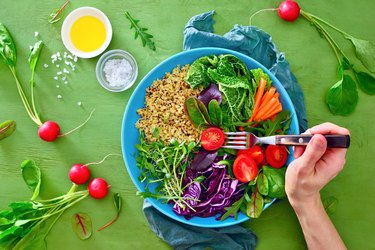
Picture your plate. MayoClinic.com advises eating larger portions of low-calorie foods -- such as vegetables and fruit -- before a meal. When you look at your dinner plate, examine the proportions. Vegetables and fruits should make up 1/2 of your plate. Grains or starch should fill 1/4 of the plate, and the remaining 1/4 should be made up of lean protein. On the topic of dinnerware, MayoClinic.com suggests putting your meals on smaller plates, so you become accustomed to what regular servings look like. Use smaller cups, glasses and eating utensils as well.
Step 5
Don't stop counting calories. Portion control is an excellent way to address over-consumption, but calories are calories no matter where they come from, so mind what goes in your mouth. According to the U.S. Department of Agriculture's National Nutrient Database for Standard Reference, a 1/2-cup serving of light vanilla ice cream with no added sugar has 115 calories, while the same serving of regular "rich" vanilla ice cream has 266. MayoClinic.com indicates that 3,500 calories makes up every pound of fat. If your goal is to lose weight, just trim 500 calories from your diet each day, and you'll lose 1 lb. every week.
Tips and Warnings
- To get an idea of how many calories you should eat, as well as suggested foods and servings, defer to the USDA's Food Pyramid Guide. For example, a 35-year-old, 5'5", physically inactive female should consume 1,800 calories a day to maintain or reach a weight of 130 lbs.
- Eating from the stove, counter or right out of the box encourages over-indulgence, cautions MayoClinic.com. Mete out the appropriate serving of food, put it on a plate and eat it at the table -- not in front of the television.


Member Comments