































Supplements for a Brain Injury

Supplements for a Brain Injury
Photo Credit Jupiterimages/Polka Dot/Getty Images

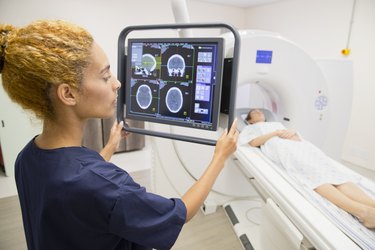
Brain cells might be injured by many insults, most common of which are traumatic and ischemic injuries. Traumatic injury is when a patient suffers from a blow to the head, fall or other accidental injury. Ischemia injury is caused by the reduction of blood supply to an area in the blood, most commonly caused by a stroke. Injured brain cells which die off cannot be replaced by the body and you may end up with cognitive deficits. Some supplements aim to reduce the effect of injury on brain cells. You should first discuss the addition of any supplement with your doctor.

N-Acetylcysteine

A study published in the July 2000 issue of the "British Journal of Pharmacology" notes the benefits of N-acetylcysteine for injured brain cells. N-acetylcysteine protects brain cells from excessive damage and death, especially after ischemic injuries. An association exists between N-acetylcysteine and the powerful antioxidant glutathione. When glutathione levels drop in the brain after injury, free radicals wreak havoc and worsen brain injury. N-acetylcysteine serves as the treatment for paracetamol-induced liver injury, a condition where glutathione levels also drop. You should only take N-acetylcysteine supplements after talking to your doctor.

Omega-3 Fatty Acids

Omega-3 fatty acids have been in the spotlight for a while, as nutrients essential for proper brain growth and development. Just recently, according to a October 2007 study in the "Journal of Neurotrauma," omega-3 fatty acid supplements are potentially useful in traumatic brain injury. By virtue of their antioxidant effect, omega-3 fatty acids play a role in conserving and activating the brain's own protection mechanisms responsible for maintaining the integrity of your brain cells. They are postulated to dampen the effects of head trauma through a reduction in the chemicals which mediate brain injury. Consult your doctor for medical clearance before taking omega-3 fatty acid supplements.

Creatine

According to a study in the April 2001 edition of "Annals of Neurology," creatine, which has long been used as a dietary supplement by athletes and the weight conscious, has been suggested to protect the brain tissue from traumatic brain damage. Creatine supports the functions of the mitochondria, or the powerhouse of brain cells, and thus offers you protection from breakdown associated with degradation of the mitochondria. Discuss the addition of creatine with your doctor.

References

Article reviewed by Christine Brncik Last updated on: Dec 7, 2010

Must see: Photo Galleries