












































Prostate Health: Foods to Eat & Foods to Avoid

Prostate Health: Foods to Eat & Foods to Avoid
Photo Credit Keith Brofsky/Photodisc/Getty Images

A healthy prostate plays a key role in maintaining quality of life and overall health. As men age, they are prone to develop prostate problems such as enlargement, inflammation and even cancer. A healthy diet is important in maintaining prostate health. Some foods promote prostate health and should be consumed often while others are disease-causing and should therefore be avoided.

The Prostate

The prostate is a gland of the male reproductive system whose primary function is to secrete a fluid which becomes part of semen. The prostate supplies substances that aid fertilization and sperm survival, including zinc, citrate, fructose and antibodies. These provide the sperm with energy for transportation and protect them and the urinary tract from pathogens.

Prostate Diseases

Prostate problems are more common after the age of 50. As men age, the prostate gradually grows larger. If it gets too large, it can cause a variety of problems. Prostatitis is the swelling of the prostate gland caused by infection. Benign prostatic hyperplasia or enlargement is one of the most common prostate conditions among older men. While some growth is normal, excessive enlargement squeezes the urethra, resulting in difficult urination. Prostate cancer is the most serious prostate disorder and is considered life-threatening.

Symptoms

Each of the four main prostate disorders results in similar symptoms. Typically men experience one or more of the following: frequent nighttime urination, urgent need to urinate, difficulty starting to urinate, slow flow of urine or difficulty in stopping, discomfort while urinating, painful ejaculation, blood in the urine or semen and reduced libido and ability to get an erection. Unfortunately, prostate cancer may not result in any symptoms.

Healthy Food Choices

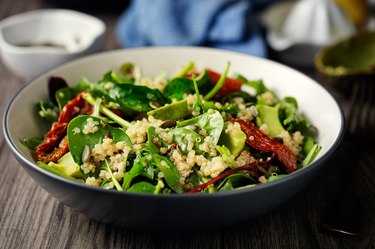
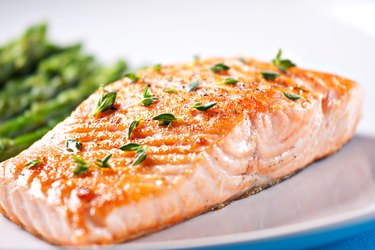
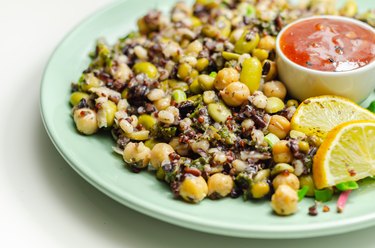
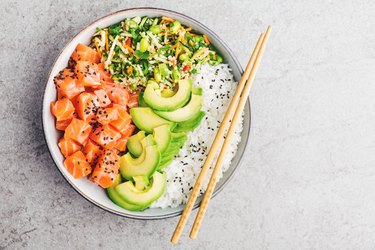
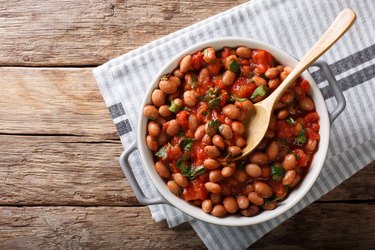
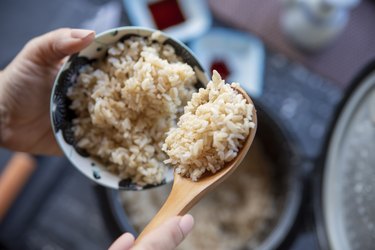
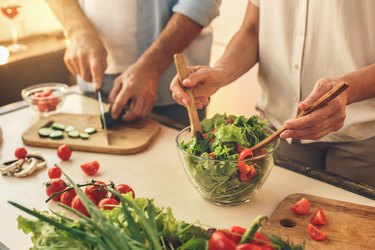
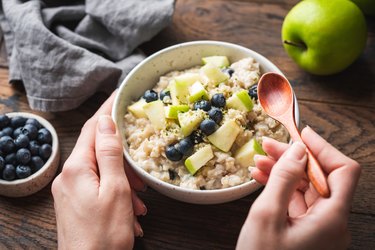
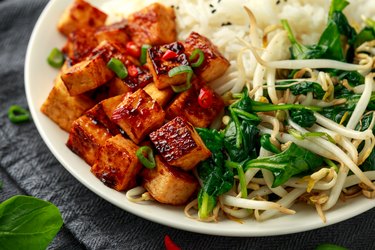
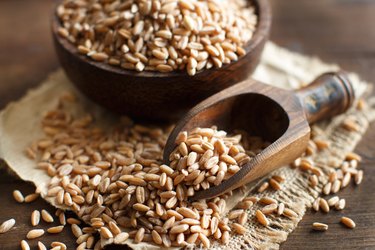
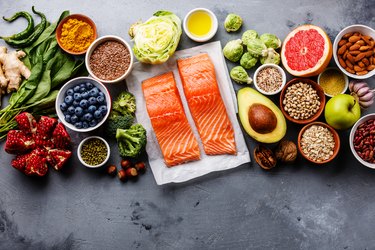
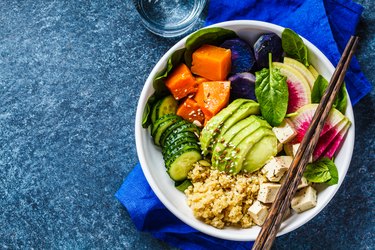
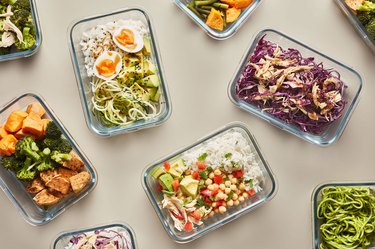
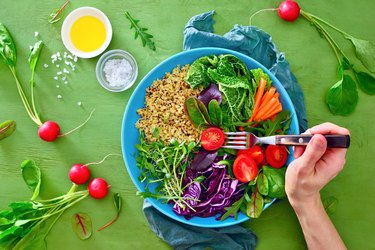
According to MayoClinic.com, exercising and eating a low-fat diet rich in fruits, vegetables and fish will help decrease your risk of developing prostate problems. Fruits and vegetables are high in B vitamins, fiber, antioxidants and phytonutrients and should be consumed daily. You should consume foods rich in omega-3 fatty acids, such as salmon, herring, tuna, mackerel and cod, at least three times per week as they provide the body with protein and healthy fats. Green tea contains polyphenols known to fight against cancer. Soy products and legumes contain plant-based chemicals called phytoestrogens, which act like the hormone estrogen in the human body. Opt for whole grain foods such as brown rice, whole wheat bread and quinoa. It is important to eat moderate-sized meals and keep your daily calorie intake under control. The most important dietary principles for prostate health are to eat a low-fat, well-balanced and varied diet.

Foods to Avoid

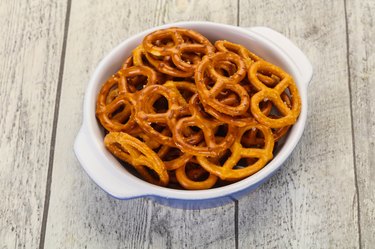
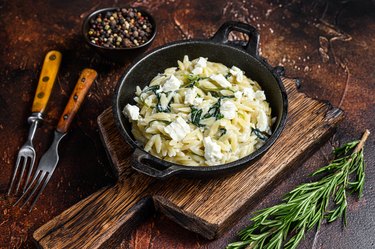
You should not eat fatty meats, as high-fat diets are linked to prostate cancer and heart disease. You should avoid refined sugars and hydrogenated oils, such as those found in margarine, baked goods, deep fried foods, candy, white bread and processed items. Eliminate added salt and salty foods. You should avoid dairy products, especially when pasteurized, as these are closely linked to prostate cancer. Stimulating drinks such as soda, black tea, coffee and alcoholic beverages should be limited. In addition, you should not drink liquids with or just before meals, because they dilute the digestive enzymes, resulting in poor digestion and decreased nutrient absorption.

References

Article reviewed by Mike Myers Last updated on: Dec 7, 2010

Must see: Photo Galleries

Member Comments