The body needs iron for the production of hemoglobin, which is the protein in red blood cells that carries oxygen. Without sufficient iron intake, the level of hemoglobin drops, leading to a decrease in the number of functioning red blood cells and a condition known as iron-deficiency anemia. Doctors may prescribe iron supplements for those at risk for developing anemia, such as pregnant women, or those who have anemia. Since taking iron supplements can affect the absorption of other minerals or lead to iron overload, consider iron supplement alternatives to help boost your iron levels.
Read More: Complete List of Foods That Help Absorb Iron
Video of the Day
Video of the Day
Food From Animal Sources
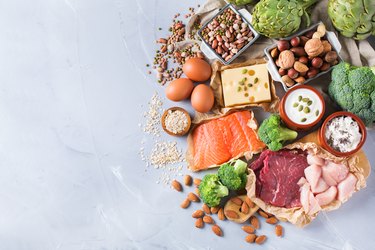
To maintain your iron levels, eat a healthy well-balanced diet that includes iron-rich foods. Food sources contain two chemical forms of iron ꟷ heme iron and non-heme iron. according to Global Healing Center. Heme iron, named because it comes from hemoglobin, is considered to be the healthiest because your body is able to absorb it 15 to 35 percent better than non-heme foods at 2 to 20 percent . The best substitute for iron supplements is food containing heme iron that occurs in animal-derived foods, such as meat, poultry and fish. Chicken liver provides the highest level of available iron, containing 12.8 mg in a 3.5 oz serving, according to the USDA National Nutrient Database. To receive the most benefit, increase the amount of seafood, such as oysters and clams, and beef, turkey and chicken in your diet as an alternative to iron tablets as a supplement.
Other Food Sources
Some vegetables, such as lentils, beans and spinach contain non-heme iron. Although these foods provide less iron than the animal products, eating them with foods containing vitamin C are known to enhance the absorption of iron, says the Global Healing Center. Adding dried fruit, such as prunes, fortified breakfast cereals, eggs and molasses to your diet can help boost your iron intake suggests UMMS.
Read More: Iron Deficiency That Is Not Anemia
Avoid Iron Inhibitors
While foods containing vitamin C can enhance the absorption of iron, others can inhibit absorption. When you are trying to increase iron levels without taking supplements, avoid drinking coffee and tea, especially at the same time you eat foods that contain iron. Both coffee and tea contain tannins, also known as tannic acid, which may block the body's ability to properly absorb dietary iron, according to UMMS.
Some medications, such as antacids or proton pump inhibitors, can reduce the amount of acid in the stomach and may impair iron absorption. Foods containing calcium, including milk, yogurt, tofu, cheese, sardines, almonds, canned salmon, broccoli, figs, turnip greens and rhubarb can inhibit absorption of both heme and non-heme iron. One cup of skimmed milk containing 300 milligrams of calcium can inhibit the absorption of iron, according to Global Healing Center. Be sure not to take calcium supplements at the same time as iron-rich foods.
Soy foods contain isoflavones, which are compounds that induce effects similar to estrogen in the body. Isoflavones are known to inhibit the absorption of iron. To overcome this effect, avoid eating or drinking soy products with your iron-rich foods, or consume vitamin C, such as orange juice, with your iron foods, say Eating For Energy.
Read More: Foods That Inhibit Iron Absorption
Best Iron Supplement for Pregnancy
According to the U.S. Office on Women's Health, one in six pregnant women will get iron-deficiency anemia. Your body needs more iron to support the development of your unborn baby. Rather than taking iron pills for pregnancy, a more natural way to get all the iron your body needs is to be sure your diet contains iron-rich foods and eat them in combination with vitamin C for absorption.
- USDA National National Nutrient Database: Chicken, Liver, all Classes, Raw
- National Institutes of Health Office of Dietary Supplements: Iron
- Livestrong.com: Iron Deficiency & Anemia in Men
- Livestrong.com: Iron-Rich Foods for Iron Deficiency and Anemia
- Livestrong.com: Iron Deficiency That Is Not Anemia
- Livestrong.com: Foods Rich in Isoflavones
- Livestrong.com: Foods That Inhibit Iron Absorption
- Global Healing Center: Heme Iron Vs. Nonheme Iron: What’s the Difference?
- Livestrong.com: Foods Containing Calcium
- Eating for Energy: The Soy Story
- WomensHealth.gov: Iron-Deficiency Anemia
- Livestrong.com: Complete List of Foods That Help Absorb Iron