



























































If you suffer from episodes of joint pain, swelling and redness, gout may be the issue causing your symptoms. According to the American Academy of Family Physicians, gouty arthritis is the most common form of inflammatory joint disease in men over 40. While women are affected less often, gout is still a common cause of arthritis with 3 cases per 1,000 women. Dietary modifications may reduce the frequency and severity of your gout attacks.
Background
Gout is the result of uric acid crystals depositing into the joint space. Most people with gout have elevated serum uric acid levels, though some people have elevated uric acid levels and do not have gout, and others with gout have normal uric acid levels. A normal uric acid level is below 7.0 mg/dL. According to the American Academy of Family Physicians, the five year incident rate of gout is 2 percent for people with a serum urate of 8 mg/dL or lower, 20 percent for people with a serum urate of 9 to 10 mg/dL and 30 percent for a serum urate higher than 10 mg/dL.
Low-Purine Diet
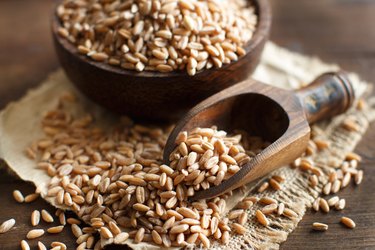
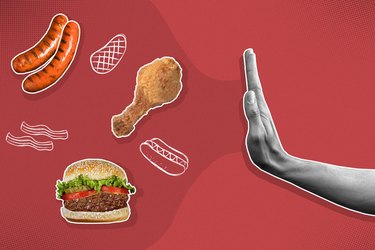
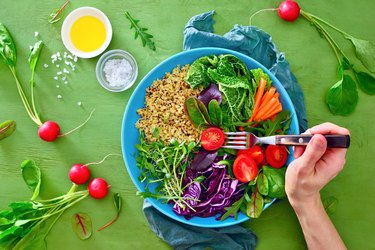
Uric acid is a by-product of purine in the diet. Some purines occur naturally in your body and others are acquired as a result of food consumption. To reduce uric acid levels, avoid foods such as liver, herring, anchovies, mackerel, red meat and fatty fish, all of which have elevated levels of purines. Eat just occasionally chicken, crab, mushrooms, lobster, pork, shrimp and spinach, as they contain moderate levels of purines. Foods that contain very low levels of purines include coffee, fruit, bread, grains, cheese, eggs, dairy products and most green vegetables.
Beverages
Water can help to flush uric acid from your body, and increasing your water intake may help to halt a gout attack. Additionally, dehydration increases your risk of developing a gout attack. Eight to sixteen 8-oz glasses of water daily is recommended. Less alcohol is healthier, as it contains elevated levels of purines and interferes with the elimination of uric acid from your body. Consume wine in moderation when you are not having an acute attack, but avoid beer if you suffer from gout.
Benefits
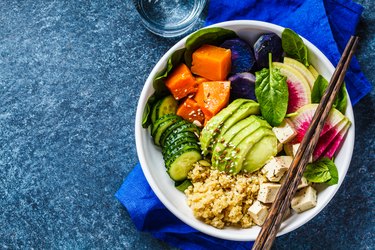
Adhering to a diet low in purines and avoiding alcohol is likely to reduce the frequency and severity of your gout attacks. Dietary changes such as limiting animal proteins and replacing these with plant based proteins may lower your saturated fat intake and result in weight loss.
Considerations
If you continue to have gout attacks despite dietary modifications, medications are available that may help. Your physician can prescribe medications that reduce inflammation and thus the pain associated with attacks -- or medications that reduce uric acid levels and thus the frequency of attacks. Weight loss decreases gout attacks, so increasing your physical exercise along with dietary changes may have added benefit.


