





About 15 percent of pregnancies end in miscarriage, most of them before the 12th week, reports the University of Maryland Medical Center. Many miscarriages occur because the baby is not growing and developing normally. You can reduce your risk of a miscarriage by following a diet filled with nutritious foods because this will help to keep your body healthy enough to sustain a new pregnancy. Eliminating other foods from your diet may decrease your odds of losing a baby, as well.
Undercooked Meat
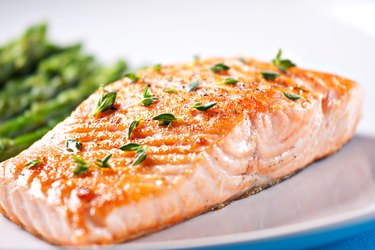
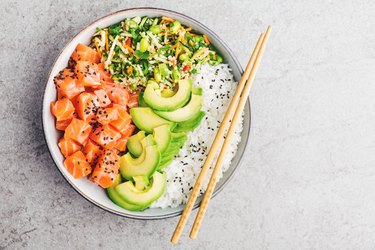
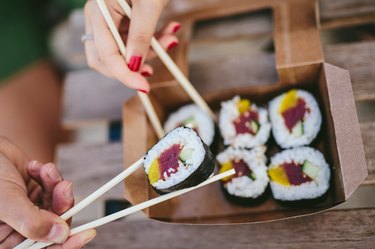
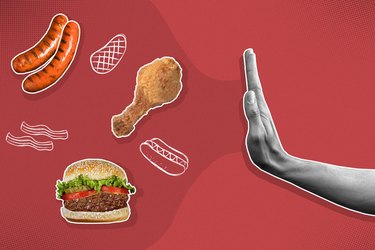
You may enjoy eating rare steaks or sushi, but both can cause miscarriage if they are contaminated with bacteria such as listeria or campylobactor, Bruce K. Young and Amy Zavatto, report in their book, "Miscarriage, Medicine & Miracles: Everything You Need to Know about Miscarriage." Listeria is particularly dangerous because it can cause you and your baby to become so sick that fetal death occurs. Cook any meat, including beef, pork, chicken and fish, thoroughly in order to kill dangerous bacteria and reduce your chance of miscarriage. Young and Zavatto add that you can eat sushi as long as the fish is thoroughly cooked, so be sure to investigate the ingredients before eating it.
Unpasteurized Milk
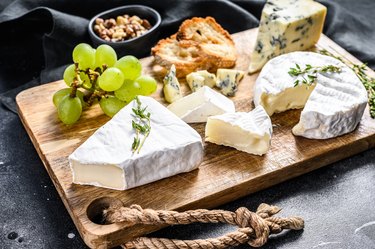
While raw milk may not be as common as it once was, many women, particularly those who live on farms or in farming communities, rely on unpasteurized milk as a source of dairy. Raw milk can contain listeria, which is killed when milk is pasteurized, Nina Planck, author of "Real Food for Mother and Baby: The Fertility Diet, Eating for Two, and Baby's First Foods," reports. The larger danger with unpasteurized milk is soft cheese, which often uses raw milk during production. Many popular cheeses, such as brie, Roquefort and many white Mexican cheeses rely on unpasteurized milk, which can increase your risk of miscarriage. Replace these cheeses with hard cheese, such as cheddar and mozzarella, which do not increase your risk of miscarriage.
Unwashed Fruits and Vegetables
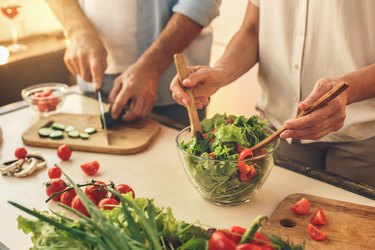
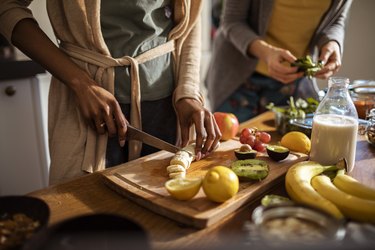
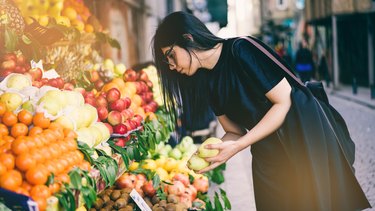
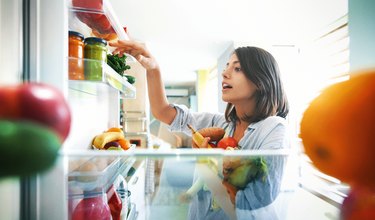
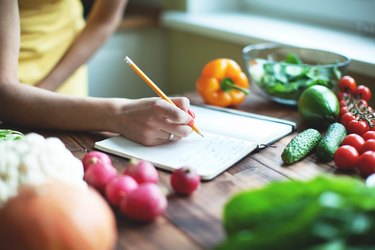
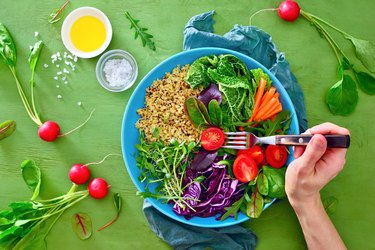
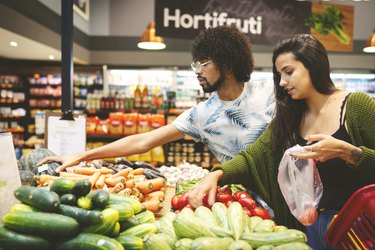
Do not eliminate fresh fruits and vegetables from your diet during pregnancy because they contain the nutrients your baby needs to grow. You should wash any fruits and vegetables that you eat because they can be contaminated with harmful bacteria, including listeria, that may lead to miscarriage, Young and Zavatto note. Contamination often occurs when the produce comes into contact with the bacteria in the soil or if a handler touches them with dirty hands. Wash any fruits or vegetables with warm water and soap before consuming them, especially if you plan to eat the peel, such as with apples and pears. The rinds of foods such as cantaloupe, watermelon and citrus fruits should also be washed before peeling or cutting to prevent the bacteria from seeping into the edible parts.
References
- University of Maryland Medical Center: Miscarriage
- "Miscarriage, Medicine & Miracles: Everything You Need to Know about Miscarriage"; Bruce K. Young and Amy Zavatto; 2009
- "Real Food for Mother and Baby: The Fertility Diet, Eating for Two, and Baby's First Foods"; Nina Planck; 2009


Member Comments