




















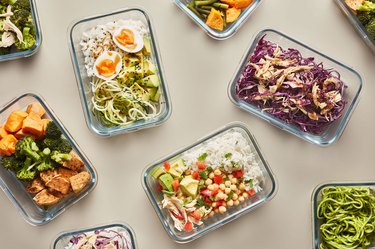




Patients who have had a cardiac stent and been diagnosed with heart disease should focus on a diet that is low in animal fat and high in polyunsaturated and monounsaturated fats. Dietary considerations after having a cardiac stent include consuming foods that can prevent blockages in the arteries. The goal is to lower LDL cholesterol levels, raise good HDL cholesterol and keep weight under control.
Low-Calorie Food
A heart-healthy diet includes low-calorie food. Obesity can lead to diabetes and high blood pressure, which boosts the chances of coronary artery disease. According to the American Heart Association, keeping track of calories is an important component of a heart-healthy diet. Consuming more calories than are burned daily can thwart efforts at maintaining normal body mass index. Consult your physician or a nutritionist for help determining your daily caloric needs, based on activity level.
Focus on Nutrients
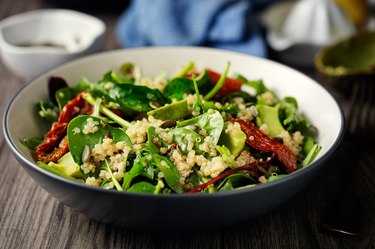
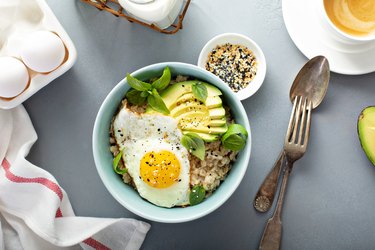
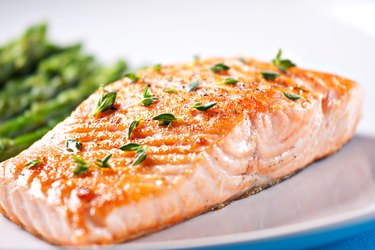
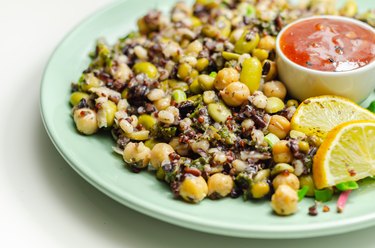
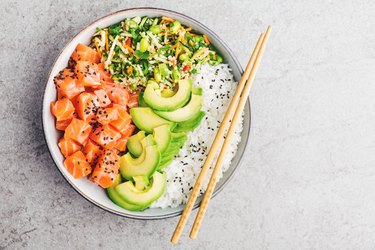
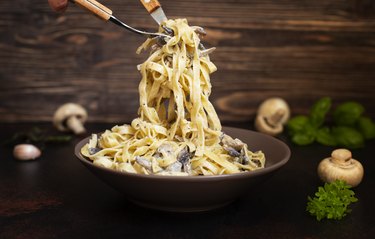
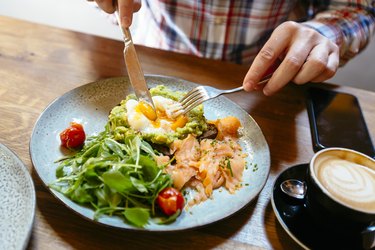
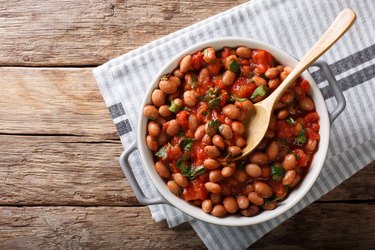
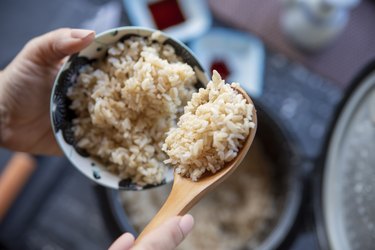
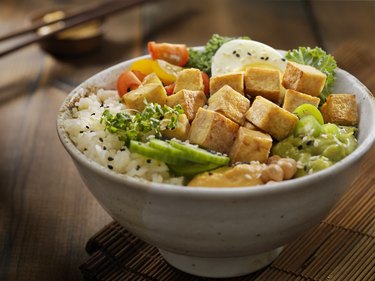
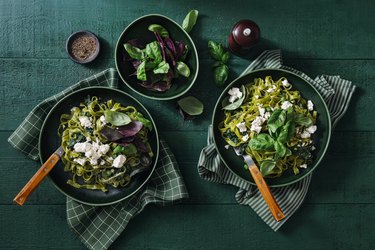
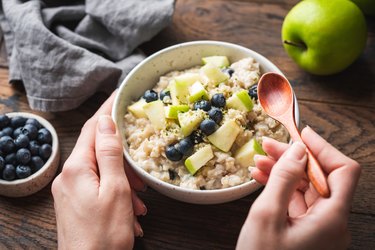
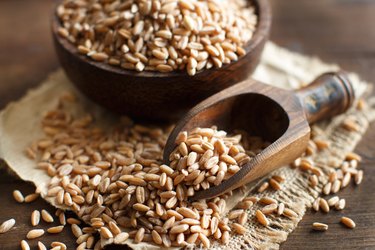
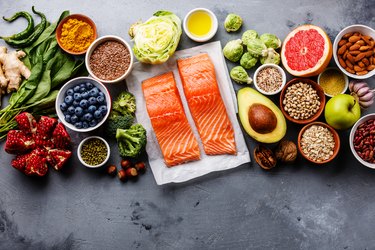
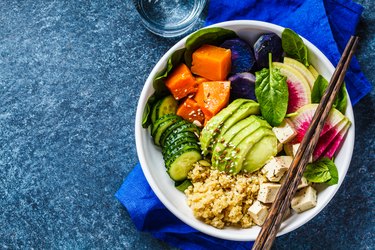
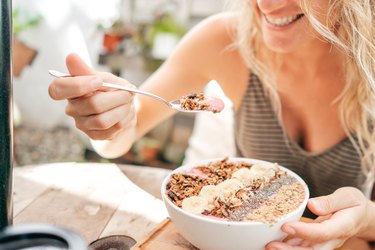
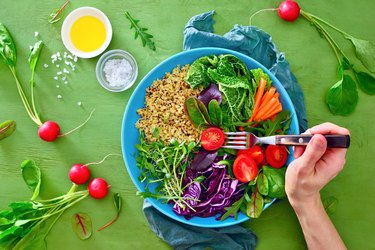
Types of foods to focus on after having a cardiac stent include a variety of colorful fruits and vegetables rich in vitamins and minerals. Fiber and nutrients in plant-based foods help control blood pressure and weight gain. Unrefined grains found in bulgur wheat, oatmeal, brown rice, whole wheat and popcorn help control cholesterol levels. Salmon, trout and herring are high in omega-3 fatty acids and linked to decreased risk of dying from heart disease. Legumes, nuts, avocados and olives are heart-healthy sources of monounsaturated fat.
Dietary Salt and Cholesterol
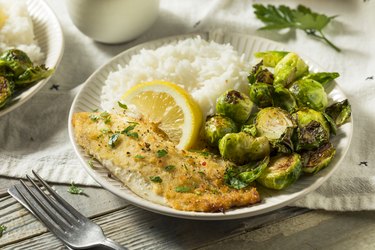
The National Heart, Blood and Lung Institute recommends consuming no more than 300 mg of cholesterol daily. Reading food labels helps determine how much cholesterol is in a serving portion. To control blood pressure and maintain cardiovascular health and blood flow, limit salt intake to 2,400 mg per day. Season foods with herbs, pepper and lemon and avoid boxed and prepackaged foods that are high in sodium. Choose low-sodium soups and broths.
Avoid Saturated Fats
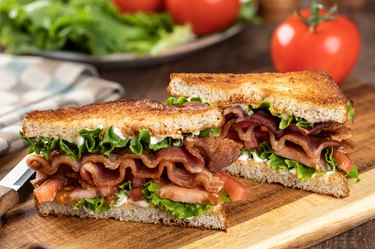
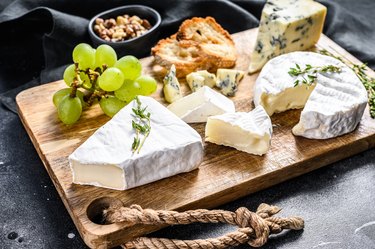
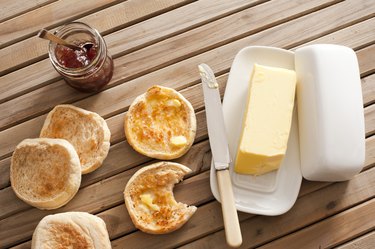
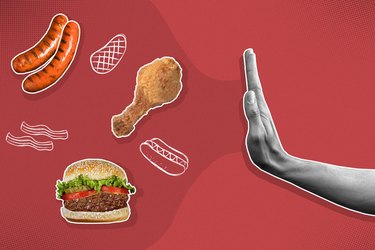
Saturated fat in the diet can lead to weight gain, increase cholesterol levels and contribute to atherosclerosis. Sources of fat to avoid after a cardiac stent include beef, pork, bacon, butter and luncheon meats. Saturated fat also is found in poultry skin and dairy products like cream, cheese and butter. The American Heart Association recommends consuming no more than 7 percent of calories daily from saturated fat. For example, a 2,000-calorie diet should include only 16 g of saturated fat each day.
Limit Trans Fats
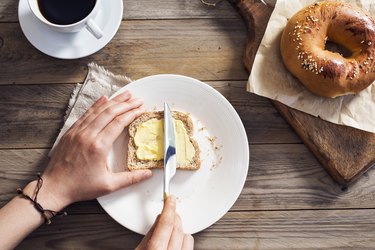
Trans fats come from fried foods, baked goods, cookies, pizza dough and stick margarine, and are known to raise levels of LDL cholesterol. They are added to foods to improve texture and taste and extend shelf life. Trans fats on food labels also might be described as "partially hydrogenated oils." The American Heart Association states that just 1 percent of daily calories should come from trans fats.
Heart Heathy Oils
Substitute heart-healthy oils in place of butter and shortening. Flaxseed, olive, toasted sesame and wheat germ oils provide omega-3 and omega-6 fatty acids that can be used for dressings and marinades. Melissa Ohlson, a registered dietitian with Cleveland Clinic's Preventive Cardiology and Rehabilitation Program, recommends extra virgin olive oil as a "best pick" for baking, cooking in the oven and stir-frying. Light olive oil, canola and peanut oils are heart-healthy and can be used for searing and browning because of their high smoke point. Soybean oil provides omega-3 fatty acids and walnut oil is rich in omega-3s, and can be used in sauces for sauteed foods and low-heat baking. Canola oil is low in saturated fat, can be used in place of butter and margarine in recipes and has a high smoke point, making it versatile for cooking.


