
































































Deep skin itching can have a wide variety of causes, some of which may not be readily apparent. Unfortunately, scratching is not the answer. In fact, constant scratching can worsen your condition. Since chronic itching can be a sign of something more serious than a nuisance, a visit to your physician is in order. With proper treatment, you might be able to resolve your condition.
Symptoms
Obviously, the most notable symptom is a strong desire to scratch. However, secondary symptoms such as rash, swelling, blisters, cracked skin and other accompanying problems may also be noted. Generally speaking, MayoClinic.com recommends that you make an appointment to see your doctor if symptoms do not clear up or show signs of improvement within two weeks of onset. Symptoms that warrant an immediate call to your physician are fever, unexplained weight loss, severe fatigue or the appearance of red streaks on the skin.
Potential Causes
The most common cause of pruritus, the technical term for itchy skin, is simply dry skin. That is unless a rash is present, which suggests contact dermatitis, a temporary allergic response to an irritant of some kind. Chemicals, harsh detergents, wool, medications, certain foods and even contact with certain plants can trigger such a reaction. However, deep skin itching can also be a symptom of disease including metabolic disorders, impaired thyroid function, kidney failure, leukemia and other cancers. In addition, severe itching may be caused by a parasitic infection such as scabies or lice. Chronic inflammatory conditions can cause itching, including psoriasis and eczema. Finally, deep skin itching may be the result of keratosis pilaris, an inherited skin condition characterized by tiny red bumps and a skin texture similar to sandpaper; according to the American Academy of Dermatology, this condition affects up to 40 percent of the population.
Diagnosis
The first course of action typically taken by a physician or dermatologist is a visual inspection of the affected area of skin and an intake of your overall health history and lifestyle habits. If your doctor suspects that your itchy skin is not the result of an allergy or inflammatory condition, further diagnostic tests may be ordered such as blood tests. In the case of a potential parasitic infection, a skin scraping may be sent to the lab for analysis as well.
Treatment
If your deep skin itching is due to an allergy or inflammatory response, it may be treated topically with salves, creams or dressings medicated with corticosteroids, benzocaine, lidocaine, calamine or other itch-relieving agents. Alternatively, oral prescription medications may be given such as antihistamines. In some cases, phototherapy may be recommended, which involves treating the affected area with exposure to ultraviolet light. If a chronic condition is discovered, such as thyroid or kidney disease, treatment will generally focus on addressing that issue and will hopefully resolve the itching at the same time.
Tips
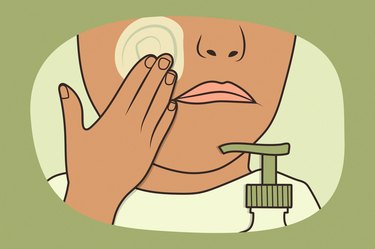
Putting an end to deep skin itching might be as simple as proper moisturizing. Moisturize immediately after emerging from a shower or bath. In addition, avoid exposing your skin to very hot water or long bathing sessions. Similarly, avoid using harsh soaps that can strip the natural oils from skin, as well as fragrances and other additives that can be irritating.


