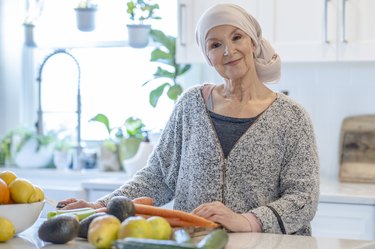
Cancer patients need proper nutrition, whether they're getting chemo or their cancer is in remission. A good meal plan for someone fighting cancer includes breakfast, lunch and dinner ideas that are protein- and calorie-packed, easy to eat and mitigate nausea.
Eating a balanced, nutritious diet during and after chemo can help cancer patients feel better physically and mentally as they heal. A diet that focuses on fruits, vegetables, whole grains, quality proteins and plant fats isn't a cancer cure, but it can help make this challenging phase more bearable — and might even help you tolerate more aggressive treatment.
Video of the Day
Video of the Day
If you have cancer, planning meals in advance is a smart idea. That way, you can ensure that you're getting good nutrition that can help you stay strong. Menu plans for cancer patients should include foods from a variety of food groups — and steer clear of bad-for-the-body processed foods and sugary snacks.
How Good Nutrition Helps Cancer Patients
Proper nutrition plays such a vital role in cancer patients' ability to tolerate treatment that the University of Michigan Rogel Cancer Center (U-MRCC) recommends thinking of food as "part of your medication regimen." Eating healthy foods helps the body rebuild tissue. It also boosts energy and strength, which can help patients both physically and mentally.
"Doctors and researchers have found that patients who eat well during their treatments, especially those who eat diets high in protein and calories, are better able to withstand the side effects of the treatments, be they chemotherapy, radiation therapy, surgery or immunotherapy," says the U-MRCC. "Those who eat well may even be able to withstand higher doses of certain treatments."
A healthy diet can't cure or treat cancer, of course, but it may help manage your symptoms once you have it. Eating well can also improve the effectiveness of certain cancer treatments and guard against side effects such as undesirable weight loss.
Start With Protein
"Eat plenty of protein and calories when you can," says the National Cancer Institute (NCI). "This helps you keep up your strength and helps rebuild tissues harmed by cancer treatment."
To stave off the weight loss that can result from cancer treatment, "do not not fill up on low-calorie foods or fluids," they warn. Instead, "'power pack' your diet by adding protein and calories to other foods. Add toppings like peanut butter, olive oil, nuts, seeds, avocado, honey and jam to all foods."
A January 31, 2023, article published online by the Cleveland Clinic points out that foods containing proteins, iron, zinc and vitamins A and C can help surgery wounds heal more quickly. "When you're healing, your body needs calories, to provide energy to keep your body functioning; protein, to help build, maintain and repair body tissues; [and] vitamins and minerals, to help repair and rebuild damaged tissue," they write. "Because protein is so critical to wound healing, try eating the protein portion of your meals first in case you become too full."
Stanford Medicine explains how having cancer sometimes changes your protein and calorie needs. "With some cancers, the metabolic processes can cause a situation known as hypermetabolism that affects how the body uses proteins, fats and carbohydrates," they note. "With hypermetabolism you may need to increase your calorie and protein intake."
They identify meats, eggs, peanut butter, beans, milk and cheese as high-protein sources and, like the NCI, recommend sneaking in extra protein and calories whenever you can. "Add powdered milk to potatoes, soups, ground meats and pancake batter," they suggest. "Add eggs to potatoes, soups, ground meats."
Include Antioxidants
Antioxidants support your body's ability to fight and heal from disease. When you have cancer, eating antioxidant-rich foods could also help keep tumors in check.
As Stanford Medicine explains, antioxidants "protect the body from the damaging effects of free radicals. Free radicals attack healthy cells, which changes their DNA, allowing tumors to grow."
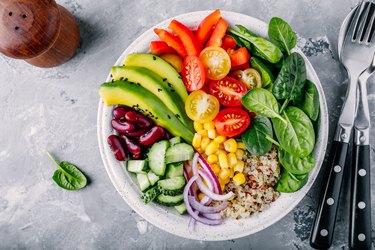
While most fruits and vegetables provide some amount of antioxidants, colorful varieties such as tomatoes, berries, winter squash and bell peppers are particularly good sources. Fruits and vegetables also contain carbohydrates — your body's main energy source.
Top sandwiches and crackers with avocado slices or nut butter for added nutrients and calories, and sauté vegetables in olive oil. Avocados are rich sources of fiber and disease-fighting antioxidants, including glutathione and vitamins C and E.
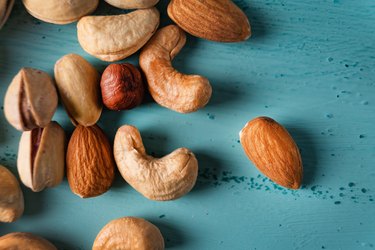
Nuts, seeds, avocados and vegetable oils also provide healthy fats. They are nutritious, calorie-laden food options if your appetite is diminished, which commonly affects those receiving cancer treatment, reports the NCI.
Eat Whole Grains
Whole grains are nutrient-dense, providing carbohydrates, antioxidants and B vitamins, the latter of which have been associated with the reduction of cancer symptoms.
According to a study published in the August 2019 International Journal of Molecular Sciences, "chronic inflammation can lead to [tumor] initiation and progression. Vitamin B complex has the ability to regulate the immune response and, therefore, inflammation."
Replace wheat breads with 100 percent whole-grain equivalents, and choose brown or wild rice over instant or white. Enjoy sweet or savory dishes made with quinoa, farro, barley and oatmeal. When purchasing cereals and pasta, make sure whole grains are listed as main ingredients.
Breakfast Ideas
Eating a balanced breakfast followed by two pre-lunch snacks will give you energy for your day and help you prepare for upcoming cancer treatments. (Hobbits would no doubt call this morning meal plan "second breakfast and elevensies.")
Start with a small cup of orange juice, a scrambled or pan-fried egg and a piece of whole-grain toast for breakfast. If you have trouble swallowing, try a fruit-and-yogurt smoothie or a bowl of warm oatmeal.
Healthy post-breakfast snacks include cereal and milk, yogurt, nuts, pudding, fruit canned in its own juice and ice pops that are 100 percent fruit juice. Sneak in some extra (much-needed) calories throughout the day by replacing water with skim milk, nut milk or fresh-squeezed juice.
If you tend to be hungriest early in the day, eat the majority of your calories before lunch, to ensure that your nutrition needs will be met. "Eat more when you are feeling hungry," advises the U-MRCC.
Lunch and Dinner Ideas
Soup is a nutrient-packed, filling, easy-to-eat food if you have a lack of appetite or find it difficult to chew and swallow thick meats or breads. Vegetable soups, chicken noodle soups and mild bean soups are all good choices.
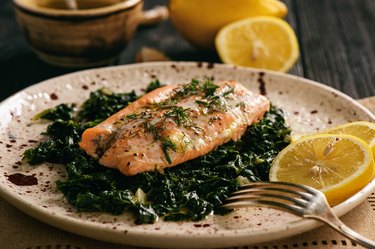
Seafood, such as grilled or baked salmon, gives you necessary fats that can help your body with tissue repair. Chicken casseroles, baked turkey or tender pot roast offer you protein, which your body needs both during and after treatments. Other protein options include beans, which you can use as a main lunch or dinner dish, or vegetarian meat-substitutes such as soy burgers.
Healthy side dishes include cooked or raw vegetables, whole-wheat bread, fruit, whole grains and green salads. If you are losing weight, add calories from milkshakes, full-fat yogurt, salad dressings and cheese to your diet.
Special Diet Needs
If you suffer from certain types of cancer, such as leukemia, diet recommendations may include avoiding raw or undercooked foods, as well as unpasteurized dairy products due to a compromised immune system. You should also avoid eating foods at social situations because of the potential for bacterial contamination.
If, in addition to cancer, you have a serious illness such as diabetes, heart disease or cholesterol problems, your doctor or nutritionist will likely develop an individualized eating plan for you. Diabetics will need to balance blood sugar, while those suffering from heart disease or cholesterol problems may need to follow low-fat, low-cholesterol diets while undergoing cancer treatment.
Easy-to-Eat Foods
"Cancer treatments are designed to kill cancer cells," observes the NHI. "But these treatments can also damage healthy cells. Damage to healthy cells can cause side effects that lead to eating problems." These commonly include nausea.
When nausea is an issue, the American Lung Association (ALA) recommends meeting your energy needs by eating bland foods. "A bland diet is made up of foods that are soft, not very spicy and low in fiber," they explain.
Examples include soup broth, eggs, rice, steamed fish, tofu, peanut butter, applesauce, bananas and cooked or canned fruits and vegetables. Replace fiber-rich (read: harder-to-digest) foods such as beans and whole grains with low-fiber alternatives such as pudding and white bread.
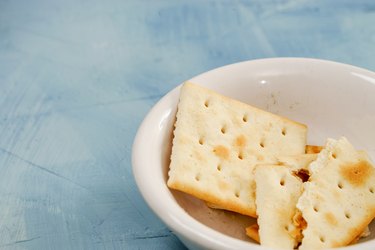
"Stick to clear liquids and bland, mild and cold foods," says the ALA. "Dry, crunchy foods such as crackers and pretzels can also help."
As you recover from cancer and its associated treatments, your dietary needs may change. Discuss your eating habits, energy level, weight and related nutrition concerns with your doctor regularly.
- University of Michigan Rogel Cancer Center: "Managing Eating Problems"
- American Lung Association: "Nutrition and Lung Cancer Side Effects"
- National Cancer Institute: "Eating Hints: Before, During and After Cancer Treatment"
- Cleveland Clinic: "What To Eat When You're Trying To Heal"
- Stanford Medicine: "Nutrition Services for Cancer Patients"
- International Journal of Molecular Sciences: "Anti-Tumor Effects of Vitamin B2, B6 and B9 in Promonocytic Lymphoma Cells"
- Stanford Medicine: "Antioxidants as Part of Your Cancer Diet"