
























































The Mechanism of Exercise in Lowering Blood Cholesterol Levels

The Mechanism of Exercise in Lowering Blood Cholesterol Levels
Photo Credit Jupiterimages/Brand X Pictures/Getty Images

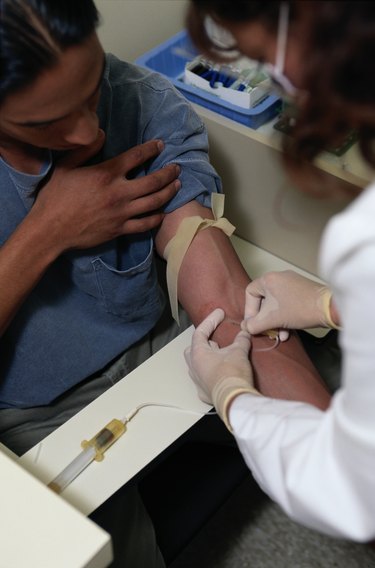
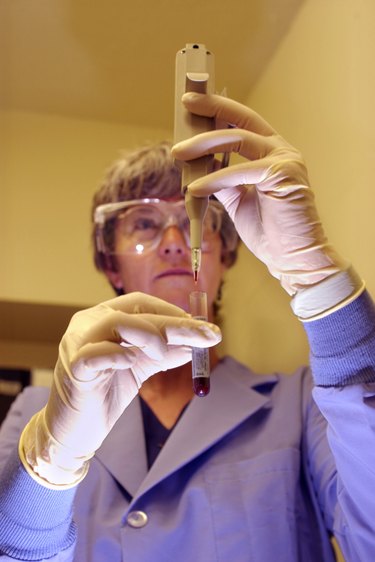
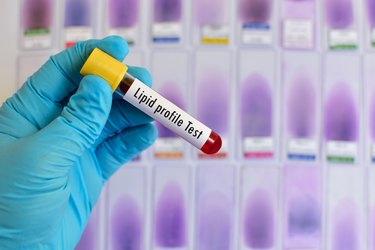
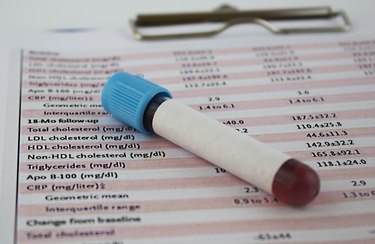
A diagnosis of high cholesterol, or hypercholesterolemia, puts you at increased risk for developing a myriad of cardiovascular disease. When your cholesterol is tested you will receive feedback on your total cholesterol, LDL cholesterol, HDL cholesterol and triglycerides. Based on your results, your doctor may suggest lifestyle changes to help lower your levels. An exercise program with an aerobic and resistive portion can help manage your cholesterol levels.

Cholesterol

Your cholesterol test results will indicate two different types of fats inside your bloodstream -- cholesterol and triglycerides. Though both of these elements are necessary parts of your blood, elevated levels can cause havoc on your cardiovascular system. Total cholesterol is the total amount of cholesterol in your blood, made up of LDL and HDL. LDL cholesterol or low density lipoprotein is known as "bad" cholesterol because it delivers and stores cholesterol in the body. HDL cholesterol or high density lipoprotein is "good" cholesterol because it delivers cholesterol to the liver for excretion. Triglycerides are fat molecules in your blood that will be stored.

Normal Ranges

Each type of cholesterol has a desirable or undesirable level. For total cholesterol, you should have less than 200 mg/dl, an amount between 200 to 239 mg/dl is considered borderline high risk and an amount greater than 240 mg/dl is high risk. With HDL, more is better, and you are considered at risk if you have less than 50 mg/dl for a woman and 40 mg/dl for a man. LDL cholesterol should be kept at less than 100 mg/dl.

Exercise

Staying physically active and exercising is an effective way to control and lower your cholesterol levels. In a study published in Metabolism by Eileen Cullinane and colleagues, the effect of just one bout of exercise on blood cholesterol levels was evaluated. The study took two groups of people - one group of trained subjects and another group of untrained subjects. After one hour of exercise, both groups experienced a decrease in blood cholesterol levels. The trained men experienced a 17 percent reduction and the untrained men, a 22 percent reduction. This study shows that even after you exercise one time, your blood cholesterol may be improved.

Mechanisms

There are two primary mechanisms that lower your cholesterol at play with exercise. During exercise, lipase activity is increased. Lipase is the enzyme that triggers the body to break down and use fats. Lipase also results in conversion of bad cholesterol to good cholesterol. This is why, after even just one exercise session, a decrease in blood cholesterol levels can be seen. Secondly, exercise will result in weight loss. Losing weight can help reduce your cholesterol as well as your risk for developing cardiovascular disease.

Exercise Program

The American Council on Exercise suggests exercising at a moderate intensity level for 20 to 30 minutes. Exercise should be done on most days of the week, aiming for five to seven. You should choose a dynamic exercise that uses large muscle groups. This kind of exercise program will help you decrease cholesterol and lose weight.

References

Article reviewed by JPC Last updated on: Dec 16, 2010

Must see: Photo Galleries