



Hepatitis and cirrhosis are both serious health conditions that affect the liver. Hepatitis is an inflammation of the liver, caused by infections from viruses, bacteria or parasites. Other causes include alcohol abuse, medication abuse or an autoimmune response. Hepatitis C is the most severe form of the disease. Cirrhosis is a condition where the liver deteriorates over time. This results in poor liver function and the development of scar tissue. According to the National Digestive Diseases Information Clearinghouse, a healthy liver is able to regenerate most of its cells when it becomes damaged. In both end stage cirrhosis and chronic hepatitis, the liver is unable to properly heal. A healthy diet is beneficial for people with liver problems.
Diet and the Liver
A person's diet can be the cause of liver problems. Consuming too many calories leads to weight gain, which puts stress on the liver. Over time, a fatty liver can develop. According to the United States Department of Veteran Affairs, having a fatty liver and hepatitis C will make it more likely that a person will develop cirrhosis. A poor diet also makes it difficult to effectively treat hepatitis. Making diet modifications and leading a healthy lifestyle can help treatment of hepatitis and reduce the risk of developing cirrhosis.
Protein
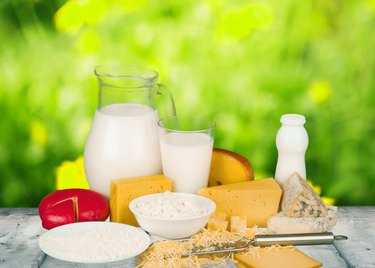
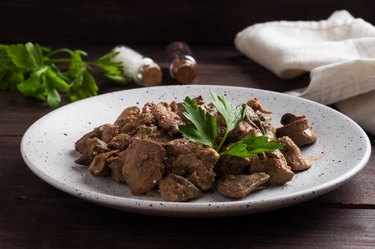
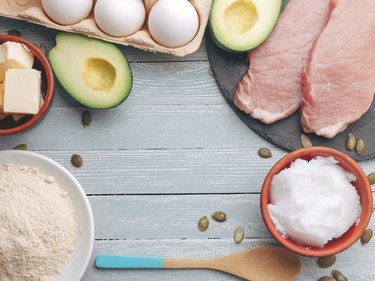
Consuming too much protein may result in hepatic encephalopathy, a severe state of confusion. This is a result of protein intake being too great for the liver to process due to its damaged state. Toxins build up causing the brain to malfunction. The Hepatitis Foundation International recommends dividing a person's weight in pounds by two to determine daily protein intake in grams. Plant and dairy protein are typically better tolerated than animal protein.
Avoid Alcohol
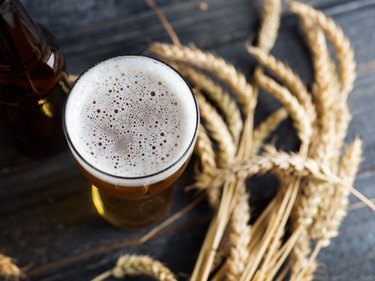
Alcohol consumption should be avoided in people with cirrhosis or hepatitis. The liver requires time to heal and rest. Refrain from wine, beer, hard alcohol, champagne and any other form of liquor. Failing to do so may result in serious health complications.
Supplements
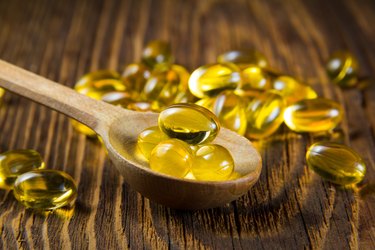
The liver acts as a filter for many nutrients and vitamins that pass through the body. Supplements should be avoided, unless prescribed by a physician. Vitamin A and vitamin D are especially toxic to a damaged liver. Intake should be closely monitored.


Member Comments