






















































What Happens When Your Skin Is Really Dry?

What Happens When Your Skin Is Really Dry?
Photo Credit Jupiterimages/Goodshoot/Getty Images

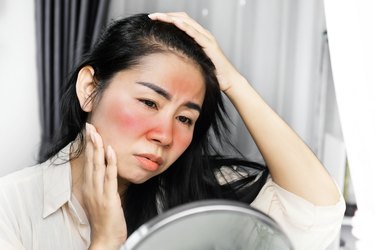
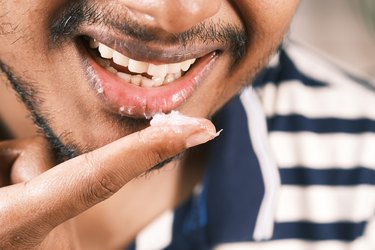
Dry skin is a common problem, particularly as seasons change. When skin is really dry, however, plump skin cells transform to shriveled up cells, emphasizing the appearance of fine lines, according to the Mayo Clinic. Skin flaking, peeling and redness are also more obvious. Fortunately, treatment options assist in minimizing the appearance of excessively dry skin.

Causes of Dry Skin

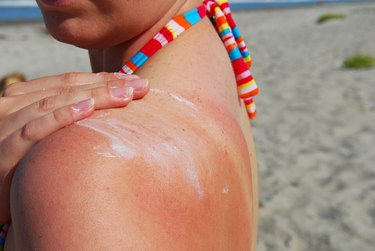
Weather is a common cause of dry skin. As humidity levels drop, moisture is pulled from the skin, causing dryness. Use of heating and air conditioning units also removes moisture from the skin. Taking hot showers is an added problem, too -- because hot water strips natural oils from the skin, causing dryness. Sun exposure causes significant damage to the skin as well, according to the Mayo Clinic, and breakdown of elastin and collagen produces dryness and wrinkles.

Treatment Options

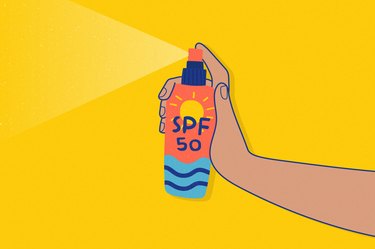
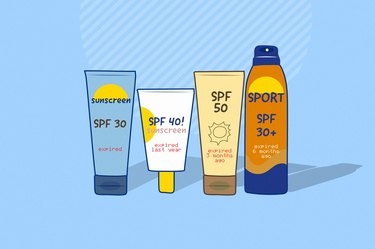
Treat dry skin by using a moisturizer several times a day. Select a product that contains dimethicone or glycerin, which trap moisture in the skin, notes the American Academy of Dermatology. Creams with the active ingredients petrolatum and mineral oil are also effective. Talk with your doctor about the use of anti-aging products. Some of these products, such as alpha-hydroxy acid, can irritate dry skin. Switching to a product that provides more moisture will sooth your skin. Also, wear sunscreen daily. Select a product with a sun protection factor, SPF, of 30 or higher. Some facial moisturizers have SPF built into the product.

Staying hydrated is also important to minimizing skin dryness. Drink eight 8 oz. glasses of water daily, recommends the Mayo Clinic. If urine is colorless or slightly yellow, you're getting enough fluids.

Home Care

Limit showers to once daily. Showering too often strips oils from the skin. When showering, close your bathroom door. This will increase humidity in the room, promoting more moisture absorption in the skin, according to the American Academy of Dermatology. Using a humidifier in your home also helps alleviate dry skin.

Warnings

If dry skin doesn't resolve within two weeks, contact your doctor. A doctor also needs to examine dry skin accompanied by itching or cracking. She can prescribe hydrocortisone creams to treat your skin. Cracked skin is treated by applying wet medicated dressings which minimize the risk for infection.

References

Article reviewed by RandyS Last updated on: May 26, 2011

Must see: Photo Galleries

Member Comments