



































































American Heart Association Cardiac Diet

American Heart Association Cardiac Diet
Photo Credit Jupiterimages/Photos.com/Getty Images

The American Heart Association, or AHA, is an organization dedicated to promoting a healthier diet and lifestyle for the general public. Its main mission is to reduce the risk for cardiovascular disease, the number one cause of death in the United States. Implementing changes to your daily life and diet is never easy at first, but the reward for a healthy heart and lifestyle makes it all worth it.

Heart Disease

Heart disease, also referred to as cardiovascular disease, is a term used for a variety of different conditions that affect the heart. Coronary artery disease is the most common type of heart disease affecting Americans, according to the Centers for Disease Control and Prevention. Heart disease can also refer to other heart conditions such as stroke, angina, heart failure or arrhythmia.

Diet Significance

A number of great advances in medicine have been made toward the prevention and treatment for many diseases. However, healthy eating habits and lifestyle choices remain the foundation for disease prevention and overall good health. For this reason, the AHA recommends a diet that consists of healthy food options designed to prevent deaths associated with heart disease. These dietary recommendations are also set to provide guidance for the general population to maintain a healthy body weight, blood pressure, lipid profile and glucose level, according to the AHA.

Nutrition

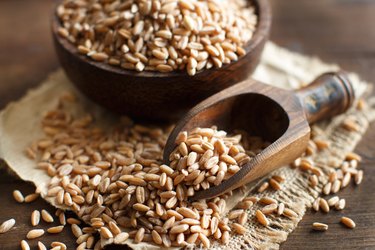
A variety of nutrient-rich foods from all food groups that provide good sources of vitamins, minerals, dietary fiber and antioxidants are recommended by the AHA. Fresh fruits and vegetables provide a low-calorie food source of essential nutrients. Some examples includes melons, apples, bananas, berries, carrots and green leafy vegetables. In addition to nutrients, fruits and vegetables may also aid in weight management and healthy blood pressure levels, according to AHA. Whole-grain foods such as breads, cereal and pasta are good sources of dietary fiber and vitamins. The fiber found in these foods may also control appetite and promote healthy cholesterol levels. Fatty fish such as tuna, salmon, cod and herring contain sources of protein and beneficial omega-3 fatty acids that may also reduce your risk for heart disease. The AHA recommends consuming fatty fish at least twice a week to support a healthy heart. Other protein sources includes nuts, seeds and low-fat dairy products.

Foods to Limit

The AHA recommends limiting food and beverages that provide a lot of calories but only few nutrients, particularly foods that are high in saturated fat, trans fat, dietary cholesterol and sodium. Most fried foods and red meats contain high amounts of saturated and trans fat. Dairy products such as milk, cheese and yogurt also provide saturated fat. Replace these high-fat foods with lean meats, skinless poultry and skim or low-fat dairy products. Many processed and packaged foods contain high amounts of sodium and should also be limited. The AHA recommends no more than 1,500 mg of sodium per day. Soft drinks and other beverages may also contain high amounts of sodium and sugars and should also be limited.

Considerations

If you currently consume alcohol, only do so in moderation and drink no more than two drinks if you're a man and only one drink daily if you're a woman, recommends the AHA. Tobacco products should be avoided entirely. Seek a registered dietitian for diet advice and to determine the exact calorie needs necessary for your lifestyle.

References

Article reviewed by Greg Duran Last updated on: Dec 21, 2010

Must see: Photo Galleries