












































Self-Medication for Depression

Self-Medication for Depression
Photo Credit Image by Flickr.com, courtesy of Mark

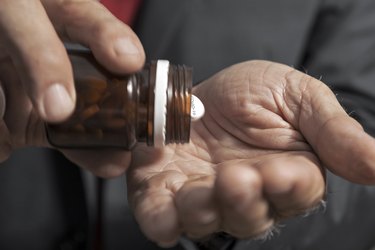
When depression leads to self-medication, it can compound the difficulties that the person is already experiencing. Often, people who are going through depression will turn to alcohol or drugs to deal with gloomy moods and negative thoughts. It may seem like a good idea at the time. The problems that may be causing their depression seem to slip away momentarily, but the happiness and hopefulness that gives them pleasure through self-medication only lasts for a short period.

Added Problems

When those false feelings of security wear off from alcohol or drugs, the depression may become more intense. By producing imagined feelings of comfort through alcohol and drugs, a person is only putting the problem of depression on the back burner. The physical aftereffects of alcohol and drugs, including nervousness and irritability, become added problems to go along with the mood disorders of depression. Alcohol and drugs can further upset chemical balances in the brain, making it even more detrimental to people with depression, according to Depression-guide.com.

Dual Diagnosis

The person may continue the cycle of hiding his depressive feelings through self-medication. It makes treatment that much more difficult because of what therapists call a dual diagnosis. To treat the worsened condition, a person will have to undergo a period of detoxification from alcohol or drugs followed by careful rehabilitation treatment and counseling for depression, according to HealthyPlace.com.

Teen Moods

Depressed teens who have feelings of hopelessness and loss of interest in normal activities make their situations worse through drugs. Although the percentage of depressed teens equals the percentage of depressed adults, teens are more likely to turn to marijuana or other illicit drugs to escape, says a May 2008 report by the White House Office of National Drug Control Policy (ONDCP). Teens who reported feeling depressed are twice as likely to smoke marijuana and nearly twice as likely to use other drugs than nondepressed teens. Smoking marijuana increases their likelihood of having suicidal thoughts by threefold when compared with non-users, according to the report.

Risky Behaviors

ONDCP researchers found that depressed teens are more likely than other teens to engage in risky behaviors such as alcohol use and cigarette smoking. These are also self-medicating practices used by adults.

Smoking

Even the drug nicotine can be used as a form of self-medication for depression, according to research at Georgetown University Medical Center and reported in the Jan. 17, 1998 issue of Health Psychology. The nicotine helps to temporarily relieve symptoms of depression, the researchers found. People who have a history of depression are more likely to be smokers. Smokers are more likely than nonsmokers to report depression. Smokers with depression are 40 percent less likely than nondepressed smokers to be successful at quitting smoking. The mood altering properties in nicotine activate brain chemicals responsible for emotion and pleasure.

References

Article reviewed by Lori Newhouse Last updated on: Nov 12, 2009

Must see: Photo Galleries