





















































Puffy cheeks can be caused by a variety of reasons, including general obesity, water retention or genetics. If the puffiness occurs suddenly, it is advisable to consult a doctor, as it could be caused by an allergic reaction, conjunctivitis or an abscess; otherwise, dietary changes and exercise can help to reduce the appearance of puffy cheeks.
Step 1
Increase your water intake. If you are drinking less than 64 oz. of water daily, your puffy cheeks could be caused by water retention. When the body does not receive sufficient water, it hangs onto every drop it has, which causes to feet, hands and face to swell. According to the Venice nutrition website, a good indication that you are not drinking enough water is if your urine is yellow; optimally, it should be clear.
Step 2
Eat fresh fruits and vegetables. A puffy face can be caused by being overweight in general. Eating plenty of low-calorie fresh fruits and vegetables supports weight loss as the high-fiber content keeps you feeling full and helps to keep the digestive system running smoothly. Fruits and vegetables can also help to reduce water retention, as they consist of a high percentage of water. Water and fiber-rich choices include grapefruit, melon, tomatoes and broccoli.
Step 3
Exercise more. Aerobic exercise such as swimming, walking or jogging helps to increase oxygen consumption, which lowers the risk of cardiovascular disease and also induces weight loss. General strength training such as lifting weights or push-ups help to increase lean muscle mass, including the muscles in the face. The more muscle you have, the more fat you will burn.
Step 4
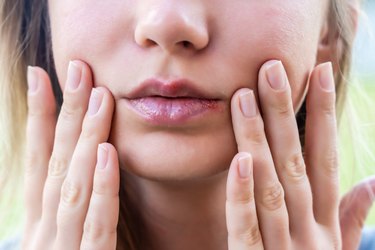
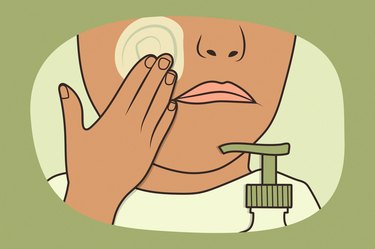
Practice facial massage. By tapping or massaging certain pressure points on the face, you will energize the muscle tissue and improve skin tone. Find the deepest hollow of your cheeks, where the jawbone meets the cheekbone. Press your middle fingers firmly into this point and move them in a circular motion, working within a half-inch radius. Perform this exercise daily for 30 seconds at a time. According to "Zone Therapy" author Joseph Corvo, this will help to stimulate the liver and the lymphatic system as well as tightening the cheek muscles and reducing puffiness in the cheeks.
Tips and Warnings
- Before performing facial exercises, splash your face with warm water or hold a warm, moist towel to your skin. A well-hydrated warm skin will be easier to move than a dry, cold skin.
References
- New York Times: Facial Swelling
- Venice Nutrition: Newsletter
- Good Housekeeping: Lose Weight in Your Face
- European Food Information Council: Types of Exercise
- "Zone Therapy: Youth, Beauty and Health in Ten Minutes a Day"; Joseph Corvo; 1993


Member Comments