

































High Alkaline Low Acid Foods

High Alkaline Low Acid Foods
Photo Credit Hemera Technologies/Photos.com/Getty Images

The more alkaline a substance, the greater its ability to neutralize acids, according to the Merck Manuals Online Medical Library. Alkalinity and acidity are expressed as pH on a scale ranging from 0 to 14. An alkaline or basic substance ranges from pH 7 up to pH 14 -- the most alkaline. An acidic substance ranges from pH 0, or most acidic, up to pH 7. Foods can be either alkaline or acidic in their natural state, but may become the opposite when digested.

Fruits

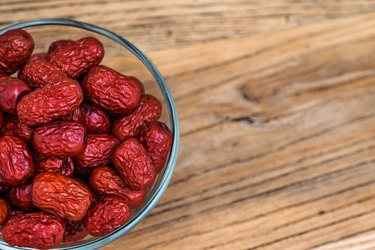
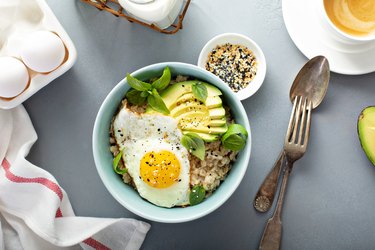
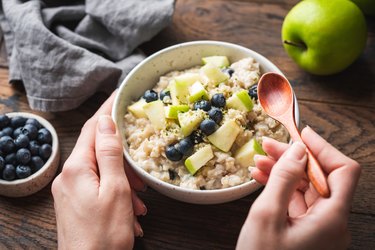
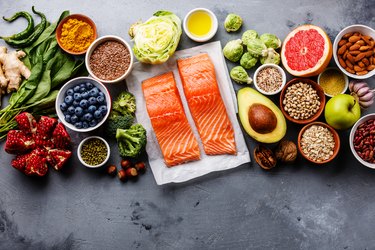
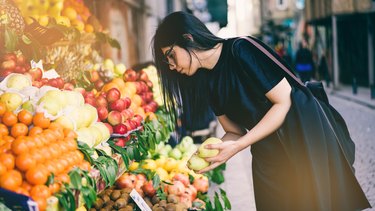
Fruits are generally naturally acidic. Many contain high amounts of citric acid, which is a strong acid; however, some fruits are not as acidic as others. Some fruits are even alkaline including pears, melons, pineapple, peach, orange, raisins, dried figs, banana, dates, coconut, cherries, avocado, apples, naturally dried sweet apricots and cranberries.

Vegetables

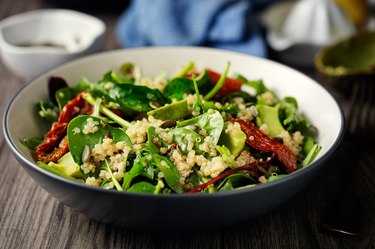
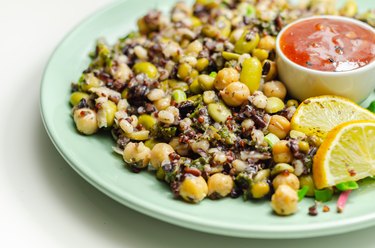
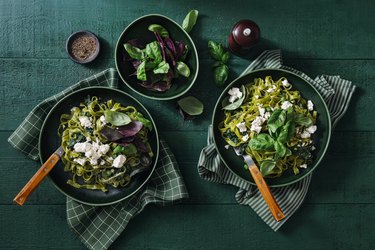
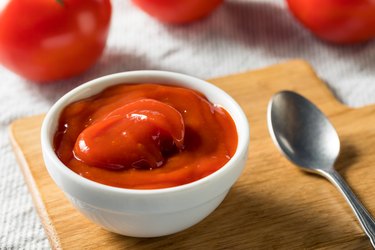
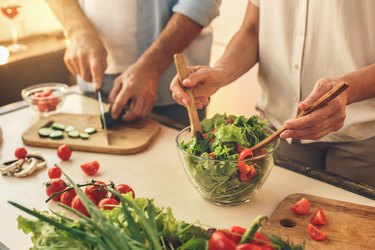
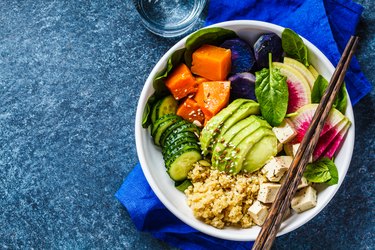
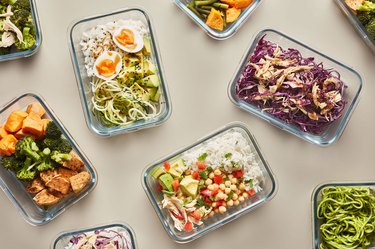
Certain vegetables that are highly alkaline and include wheat grass, tomato, sweet potato, pumpkins, peas, spinach, lettuce, peppers, onions, green beans, mushrooms, green peas, Brussels sprouts, garlic, eggplant, escarole, chicory, lettuce, dandelions, mache, squash, asparagus, cabbage, edible gourds, zucchini, cucumber, alfalfa, broccoli, carrot, celery stalks, fennel, beet greens, black olives, corn, buckwheat, chili pepper, ginger, tamari and cinnamon.

Dairy

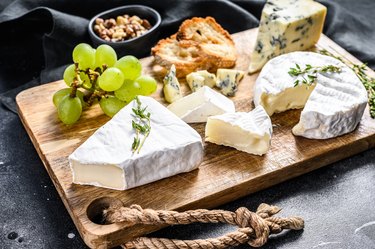
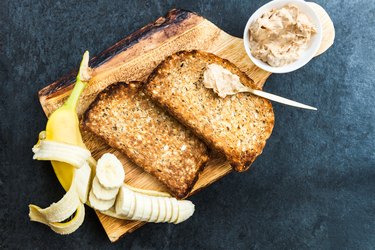
Fresh dairy products are generally alkaline by nature. Alkaline dairy foods include raw whole milk, fresh butter, well-drained soft unripe cheeses, acidophilus milk, fresh whey, banana smoothie, fresh buttermilk and egg yolk. However, unpasteurized milk and ripe soft cheeses are very acidic.

Alkalizing and Other Foods

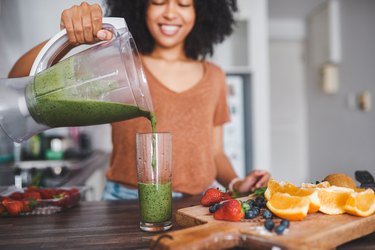
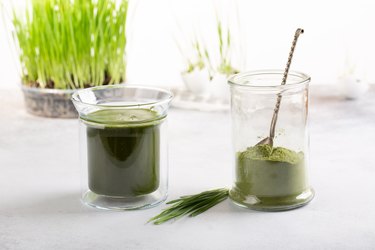
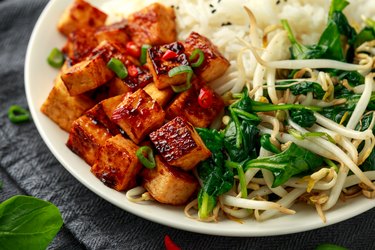
Other alkaline foods include raw cane sugar, sea salt, non-hydrogenated vegetable oil, non-hydrogenated margarine, and virgin cold pressed sunflower, olive and safflower oils. Green juices from grasses and fresh vegetable juice also are alkaline. Alkalizing foods are those that might be acidic in their natural form, but produce alkalinity when digested. Conversely, some foods are alkaline, but become acidic when digested. This is also known as the potential renal acidic load, or PRAL. Such alkalizing foods include sweeteners such as maple and rice syrups and stevia. Other alkalizing foods include whey protein, millet, chestnuts, almonds and fermented tofu. Mineral water and pure water with a pH 7 to pH 10, almond milk, non-sweetened soymilk, vegetable broth, fresh vegetable juice, herbal tea and lemon water are alkalizing beverages. Lemons, which are widely considered acidic foods, actually are acidic in their natural form. However, they are alkalizing foods since they become alkaline upon digestion. Meats, fish and most other animal products, on the other hand, are just the opposite since they are alkaline in their natural state but become acidic after digestion. This is one of the reasons it is advisable to seek the advice of a health and nutrition professional when considering a high alkaline diet.

References

Article reviewed by Mia Paul Last updated on: Mar 30, 2011

Must see: Photo Galleries

Member Comments