A peptic ulcer is an open sore in the lining of the digestive tract. The most common types are gastric ulcers, found in the stomach, and duodenal ulcers, located in the upper part of the small intestines.
Peptic ulcer disease can lead to severe pain, bloating, a feeling of fullness, or a burning or gnawing sensation. Although diet does not cause ulcers, certain foods and beverages may worsen your pain, and a diet rich in fruits and vegetables may reduce the risk of ulcers and promote healing.
Video of the Day
Video of the Day
The Ulcer Diet Myth
Historically, ulcers were thought to be caused by stress or spicy foods, and a bland diet was a common treatment. It is now known that diet doesn't cause peptic ulcer disease.
In fact, most ulcers are caused by a bacteria known as Helicobacter pylori or long-term use of nonsteroidal anti-inflammatory drugs (NSAIDs), such as aspirin or ibuprofen.
According to the American College of Gastroenterology, there is no specific diet to manage ulcers. However, it helps to limit or avoid any foods that appear to aggravate your symptoms.
Irritating Foods
Alcohol, coffee and other caffeinated beverages may be irritating to the stomach, although these beverages may not cause problems if consumed moderately or along with food. Spicy foods, including pepper and hot sauce, may cause gastrointestinal irritation in some people.
If you also have acid reflux, and acidic stomach contents sometimes flow back into the esophagus, large or high fat meals may be problematic — particularly when consumed right before lying down. Since there are no universal food restrictions for ulcer management, limit any foods or beverages that worsen your pain or discomfort.
Beneficial Foods
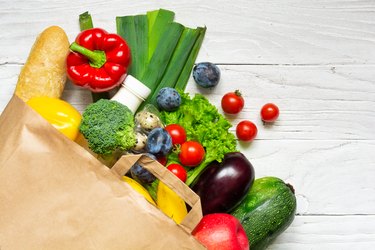
Research is not available to support a beneficial role of specific foods or diet patterns in ulcer management. However, emphasizing fruits, vegetables, beans and whole grains is a good place to start, as a diet high in fiber is associated with low levels of gastric acid production and a reduced risk of duodenal ulcer disease.
High-fiber foods are also high in polyphenols, which are plant chemicals that appear to protect and enhance healing of the mucosa, or the lining of the gastrointestinal tract.
Preliminary research suggests the probiotics in fermented milk and yogurt may increase effectiveness of standard H. pylori treatment, although more research is needed to clearly understand their role in ulcer management.
Warnings
If you are diagnosed with an ulcer, your doctor will treat the H. pylori infection, if present, or advise you to remove the underlying cause, such as NSAID use. Medications may also be prescribed to reduce acid production, neutralize the stomach acid or protect the tissue as it heals.
While most ulcers cause pain, some can progress to more serious problems which include bleeding, perforation or blockage. If you notice blood in your stool, if you vomit blood, or if you have severe pain or are unusually weak or dizzy, seek urgent medical attention.
Reviewed by Kay Peck, MPH RD
- National Institute of Diabetes and Digestive and Kidney Diseases: Peptic Ulcers
- American College of Gastroenterology: Peptic Ulcer Disease
- American Family Physician: Diagnosis and Treatment of Peptic Ulcer Disease and H. pylori Infection
- Nutrition Reviews: Health Benefits of Dietary Fiber
- Journal of Pharmacy and BioAllied Sciences: Role of Phenolic Compounds in Peptic Ulcer: An Overview
- World Journal of Gastroenterology: Efficacy of Fermented Milk and Whey Proteins in Helicobacter Pylori Eradication: A Review
- American Academy of Family Physicians: Ulcers
Is this an emergency? If you are experiencing serious medical symptoms, please see the National Library of Medicine’s list of signs you need emergency medical attention or call 911.