






































The Western-type diet is rich in cholesterol and other atherogenic factors. Atherogenes is the formation of plaques in the inner lining of arteries and is associated with coronary heart disease, or CHD. CHD is a huge problem in the United States. Some 800,000 Americans will suffer their first heart attack in 2009, and about half that number will suffer a recurrent attack. Atherogenesis is an inflammatory response caused by a variety of risk factors, including high cholesterol, smoking, hypertension and high blood glucose levels.
Saturated Fat
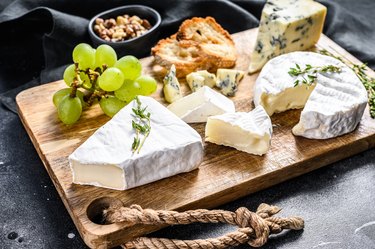
Foods with saturated fat are extremely atherogenic. Most of these come from animal sources, but some plant foods have saturated fat. These include palm oil, palm kernel oil sometimes called "tropical" oil, coconut and coconut oil, and cocoa butter. The main animal sources are beef and beef fat, pork, veal, lamb, lard, poultry fat, milk, butter, cream, cheeses and other dairy whole-milk and 2 percent-milk products.
Trans Fat
Trans-fatty acids and hydrogenated fat in foods are atherogenic. Ideally trans fats should not make up more than 1 percent of total daily calories. The main sources of these fats in the Western diet are cooking oils, margarine and shortening. Partially hydrogenated vegetable oils, for example, account for about three-fourths of trans-fatty acids in the U.S. diet. Nutrition Facts labels on packaged foods list trans fat content.
LDL Cholesterol
Trans fats and saturated fats are high in low-density lipoprotein, or LDL, cholesterol. LDL is the "bad" cholesterol. The top sources of this cholesterol consumed from nonprocessed foods in the United States are beef and other red meats, egg yolks, organ meats, shellfish and poultry fat. For example, the average egg yolk has some 200 mg of cholesterol. About 3 ounces of beef liver has, on average, 300 mg of cholesterol.
Fast Food
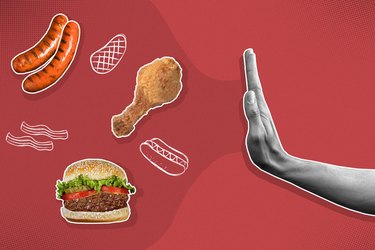
Fast foods, especially foods that are fried, are highly atherogenic. Commercial shortening and deep-frying fats are made by a process called hydrogenation, in which trans-fatty acids are formed. That means foods made with these shortenings and fats will contain saturated fat and trans fat.
Processed Food
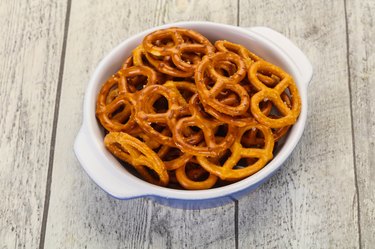
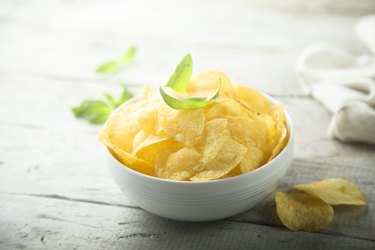
Processed food and baked foods are common in the Western diet. Doughnuts, cookies, cakes, crackers, french fries, muffins and pies are some examples.
Sodium
Excess sodium is one factor leading to hypertension, one of the inflammatory responses that contributes to atherogenesis. In the Western diet, people get up to to 75 percent of their sodium from processed foods, including soups, tomato sauce, condiments, canned foods and prepared mixes. Monosodium glutamate, or MSG, is a significant source of sodium in canned, packaged and frozen foods. It's also found in restaurant cooking.
Excess Sugar
Added sugars contribute to high blood glucose levels as well as cholesterol. Too much sugar is converted by the body to nonessential fatty acids and cholesterol. People who get 30 percent of daily calories from sugar, which is just slightly higher than the typical Western diet, raise the cholesterol and triglyceride levels in their blood.


