





























Bariatric, or weight loss, surgery is a big decision that will affect your diet and lifestyle for the rest of your life. Although after surgery your diet will eventually progress to eating regular solid foods, many permanent dietary changes should be made to prevent complications at the surgery site or from malnutrition.
Diet Transitions
As a general rule, post bariatric surgery diets start out consisting of liquids for about three weeks and progressing to pureed or soft foods and finally to regular solid foods after about 10 to 12 weeks post surgery, according to the Duke University Health System. Examples of foods in a bariatric liquid diet include juice, chicken broth, and high-protein drinks such as Boost or Ensure.
Protein Requirements
Consuming adequate amounts of protein after bariatric surgery is important to help you heal, prevent malnutrition and reduce hair loss associated with losing weight. Duke University Health System recommends consuming at least 40 to 60 g of protein per day after surgery, 2 oz. of high-protein supplement drinks every hour during the initial liquid diet phase and at least 3 oz. of protein in each meal during the solid phase of your new diet.
Important Nutrients
Supplementation is usually necessary following bariatric surgery. This is due to a reduced amount of food and nutrients consumed, decreased nutrient absorption or both. To prevent becoming anemic after surgery, the National Anemia Action Council recommends supplementing with iron, vitamin B12 and folate. Other important nutrients after surgery include calcium and, in some cases, vitamins A, D, E and K, according to Duke University.
Fluid Recommendations
Following bariatric surgery, the Mayo Foundation for Medical Education and Research recommends consuming at least 6 to 8 cups of liquids each day to prevent becoming dehydrated. However, unless you're still following a liquid diet, wait at least 30 minutes before and after your meals to drink fluids. Choose drinks that are low in sugar and avoid beverages that are high in calories and provide few nutrients.
Helpful Tips
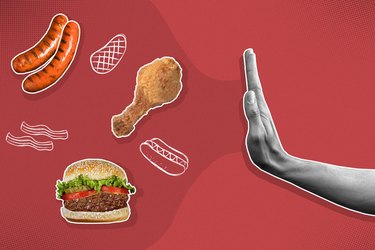
After your weight loss surgery, follow a few simple tips to help make your surgery successful. In general, avoid foods or drinks high in fat and sugar to help with weight loss and avoid the dumping syndrome. Keep your meals and snacks small in volume; never consume more than 1 cup of food at one time. Eat slowly and chew your food into small pieces to prevent blockages at your surgical site. Choose foods and drinks that are high in nutrients, including protein, and supplement with vitamins and minerals as recommended by your doctor.


Member Comments