













































Gout: Worst Food List

Gout: Worst Food List
Photo Credit grilled meats and sausage image by Marzanna Syncerz from Fotolia.com

A flare-up of gout can be extremely painful, so if you are prone to the condition there are foods that your doctor may have you avoid to minimize the frequency of attacks. According to the Mayo Clinic, gout is a form of arthritis that develops when uric acid crystals formed as a result of the body breaking down purines collect around a joint. Purines are compounds that are found in certain foods.

Meats

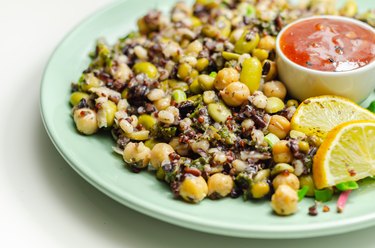
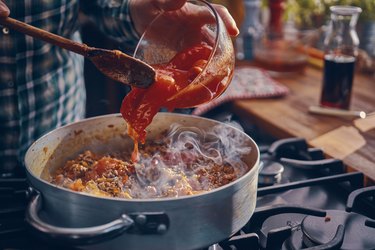
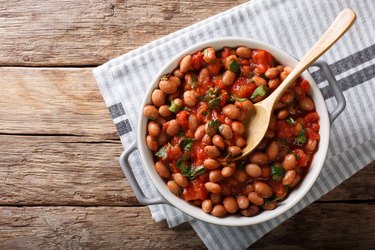
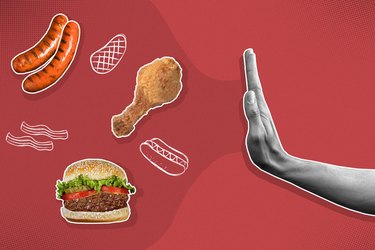
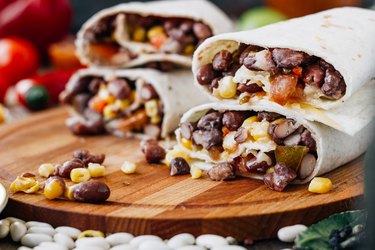
Animal proteins are typically associated with gout. Certain animal proteins, such as organ meats, liver, herring, anchovies and red meat should be avoided if you are at risk for gout or are having a gout attack. In fact, the Mayo Clinic recommends limiting protein intake to only four to six ounces of a day. Since gravy is made with meat and sometimes with organ meat, this is also something to avoid. Instead of meat, try getting your protein from plant sources such as beans and legumes.

Alcohol

The Mayo Clinic reports that alcohol may interfere with the breakdown of purines. Stay away from alcoholic beverages if you have gout. It is best to limit alcohol intake on a regular basis for your general health, but if you do drink, you should only have one drink per day if you are female and up to two a day if you are male.

Other Foods High in Purines

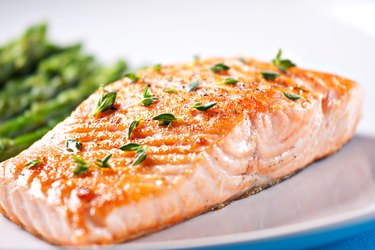
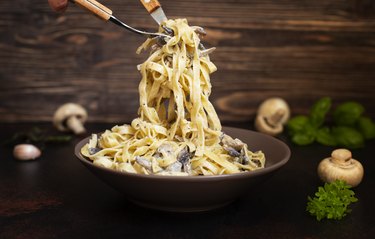
Mushrooms and asparagus are high in purines and may precipitate a gout attack if you are prone. Dried peas or beans are also high in purines. Stay away from these if you are having a gout attack. Choose other vegetables such as dark green leafy vegetables, squashes, or peppers.

Food You Should Stick With

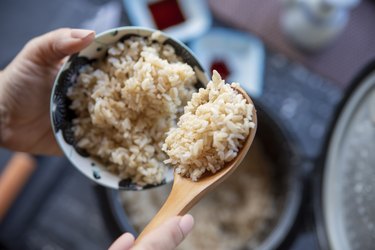
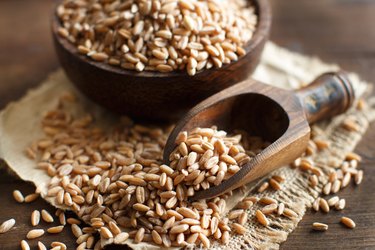
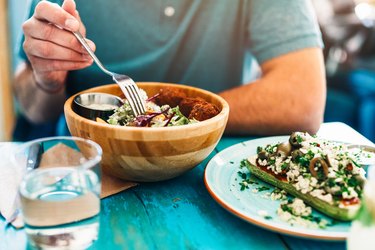
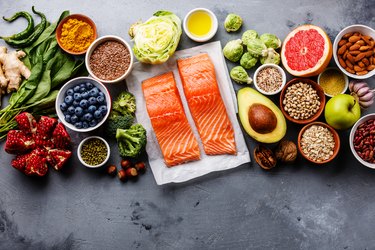
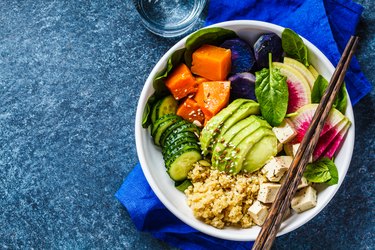
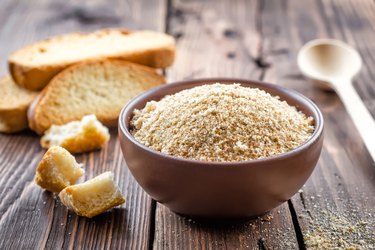
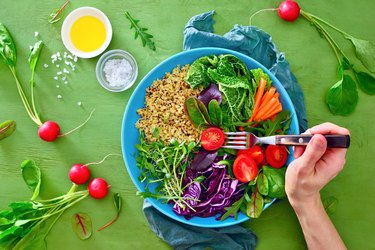
Eating a healthy diet helps prevent gout and other chronic health conditions. It also helps you maintain a healthy weight. In general, you should consume more whole grains than processed white breads, pastas, and cereals. Try whole-grain cereals, breads and pastas instead. Select low-fat or nonfat dairy products such as nonfat milk, cheese and yogurt. Increase your fruit and vegetable intake. Make sure that you drink plenty of water. For most people, this means eight glasses of water a day. This will help flush purines out of your body appropriately.

References

Article reviewed by GayleZorrilla Last updated on: Jan 17, 2011

Must see: Photo Galleries

Member Comments