

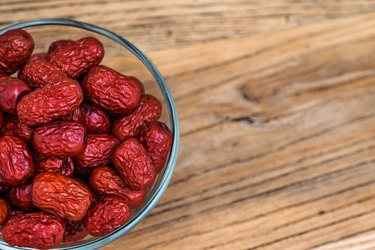










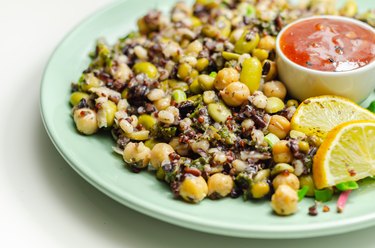









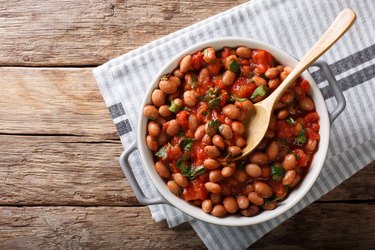
























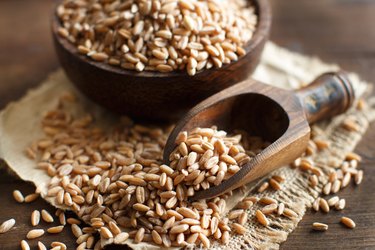
























Crohn's disease is an inflammatory bowel disease that causes inflammation of the gastrointestinal tract, mostly effecting the ileum and colon. There is no proven cause or cure for Crohn's disease. Treatment is aimed for controlled symptoms to promote remission. Nutritional deficiencies can occur as a result of Crohn's disease due to poor dietary intakes, intestinal losses and malabsorption. This can be a concern for people who also have diabetes as consistent meals and carbohydrate intakes help to maintain stable glucose levels. Eating a balanced diet representing all the various food groups can help prevent vitamin and mineral deficiencies as well as to help maintain stable glucose levels.
Step 1
Consume smaller more frequent meals throughout the day as opposed to three large meals as this may be better tolerated for patients with Crohn's disease. Try to incorporate consistent amount of carbohydrates at each meal to help maintain stable glucose levels. Discuss the meal plan with a dietitian or physician to see if any adjustments in diabetic medications may be needed.
Step 2
Eat complex carbohydrates rich in fiber such as whole grain, brown rice, and fresh vegetables and fruits as tolerated and avoid simple sugars such as table sugar and foods that contain added sugars. Insoluble fiber it is not digested by the small bowel and helps to produce more bulky stools. Whole grain bread products also generally have a lower glycemic index as compared to white flour products and simple sugars which is beneficial for diabetics.
Step 3
Avoid fatty, fried or fast-foods. These foods can cause abdominal pain, diarrhea, and constipation in people with Crohn's disease. They are also not nutritionally dense foods when vitamin and mineral malabsorption may be a concern. These foods are also often high in fat and calories which can be detrimental to people with diabetes who may have other contributing health concerns.
Step 4
Avoid alcohol as this can irritate the gastrointestinal tract, especially in Crohn's patients who have small bowel involvement. Alcohol is also high in calories, sugar and carbohydrate which can effect blood sugar levels in diabetics.
Step 5
Consume adequate amount of protein. Patients with Crohn's disease sometimes need considerably more protein. Much of this protein can and should come from vegetables and fruits; although, with diabetes fruit does serve as a source of carbohydrate and should not be consumed in excess at one time. Choose leaner cuts of meat and remove the skin and any visible fat and avoid marbled meats. Try broiling, boiling, grilling or roasting instead of frying meats.
Things You'll Need
- Fruits
- Lean meats
- Vegetables
- Whole grains


