

































Diet Plans for Stroke Patients

Diet Plans for Stroke Patients
Photo Credit fruit and vegetables on a pile studio isolated image by dinostock from Fotolia.com

A stroke, also known as a cerebrovascular accident or CVA, occurs when blood flow to an area of your brain has stopped due to a blood clot or a broken blood vessel. Because of the lack of blood flow, brain cells die. Symptoms of a stroke include numbness or weakness on one side of the body, confusion, difficulty speaking, vision loss, difficulty walking, dizziness and headache. Depending on the severity of the stroke and the damage it has caused to your brain, you may need rehabilitation. Common therapies include occupational therapy, physical therapy and speech therapy. Following a diet low in sodium and cholesterol and high in fiber can help prevent a recurrent stroke.

Thick Food for Difficulty Swallowing

After a stroke, some patients experience difficulty with swallowing, also known as dysphagia. After you're assessed by a speech therapist, she may recommend that you be on a modified diet. You may need to puree, grind or chop your food, depending on your swallowing abilities. You may need to thicken liquids for easier swallowing. You can buy commercial thickeners to be mixed in with liquids to get the right consistency. Liquids may need to be either nectar-thick, pudding-thick or honey-thick.

Low Sodium

High blood pressure is a stroke risk factor. Therefore, a low-sodium diet to help control blood pressure is recommended after a stroke. Foods with fewer than 300mg sodium per serving are recommended. Limit the use of salt when preparing foods, and do not use the salt shaker at the table. Avoid eating in restaurants when possible; many restaurant foods can be high in sodium.

Limit Bad Fats; Eat Healthy Fats

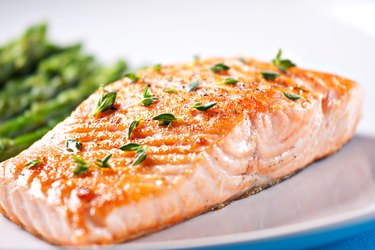
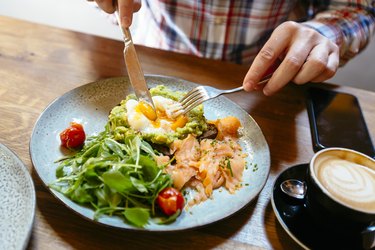
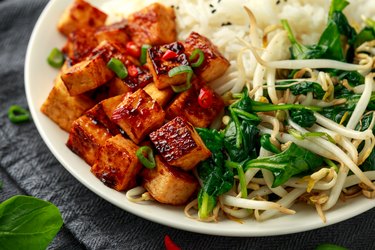
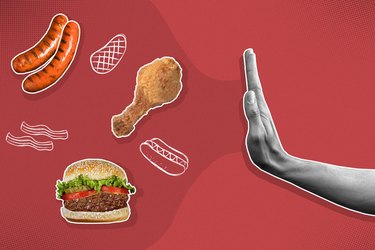
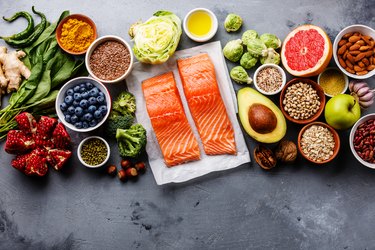
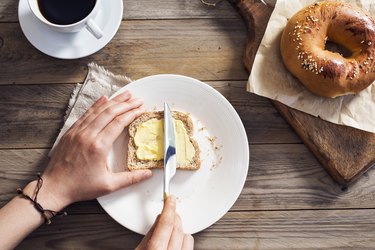
Lowering your cholesterol levels can also help prevent a recurrent stroke. Limit your intake of saturated fats and trans fat, which can raise your LDL cholesterol levels. Avoid foods such as fatty meats, whole milk, butter, fried foods and packaged foods made with hydrogenated oils. Monounsaturated and polyunsaturated fats are healthy fats that can be found in tub margarines, soybean, canola and olive oil. Limit cholesterol intake to 200mg or less per day, according to Baptist Health Systems. Aim to eat cold-water, fatty fish such as salmon and tuna at least twice per week to get heart-healthy omega-3 fatty acids.

Fiber

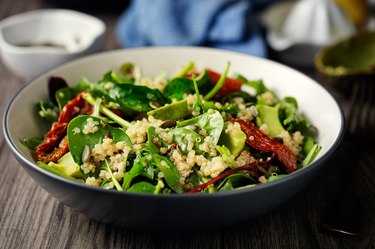
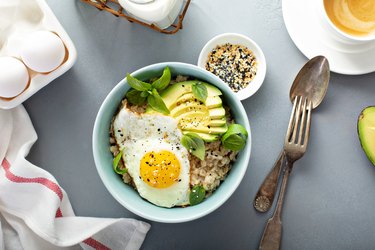
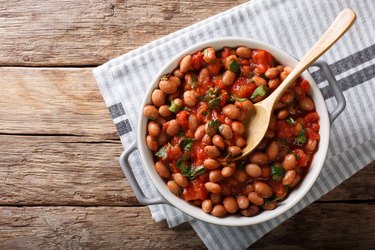
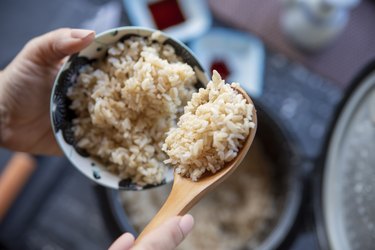
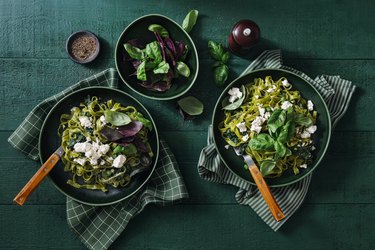
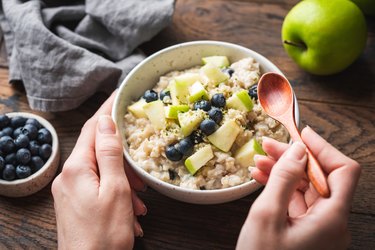
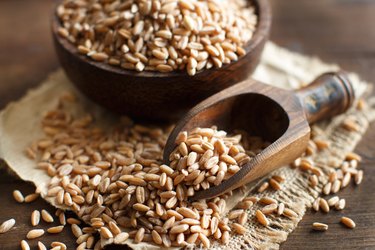
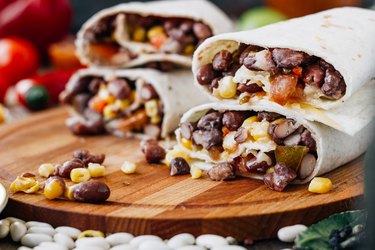
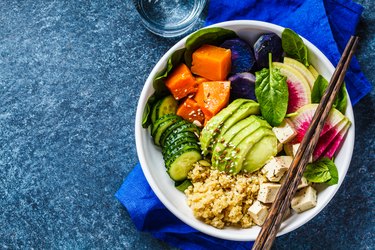
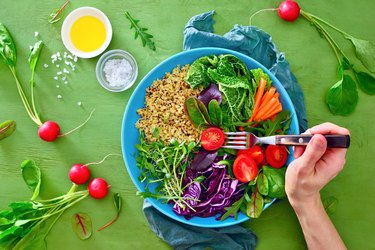
Increasing your fiber intake can help lower your cholesterol. Aim to get 20g to 30g fiber each day. Increasing your consumption of fruits, vegetables and whole grains helps you reach your fiber goal. Eat at least five servings of fruits and vegetables each day, the National Stroke Association says. Eat at least 3 oz. of whole grains each day. Drink plenty of water when increasing your fiber intake.

References

Article reviewed by Anton Alden Last updated on: Jan 26, 2011

Must see: Photo Galleries