











































Is There a Free Diet Guide for Gout?

Is There a Free Diet Guide for Gout?
Photo Credit sardines image by Jorge Casais from Fotolia.com

Gout is a form of arthritis that commonly affects the big toe. It is characterized by severe and sudden pain in the joints. Many lifestyle factors can affect the frequency and severity of gout including diet, alcohol use and medical conditions such as obesity and high cholesterol. By following a healthy and balanced diet, low in purines, you can help to reduce the uric acid levels in the blood, which cause gout.

Gout

Gout is a form of arthritis that can affect anyone. Symptoms of gout include severe and sudden joint pain as well as inflamed and red joints that are swollen and tender to the touch. Gout is most commonly seen in the large joint of the big toe, but can also effect the feet, ankles, wrists, hands and knees.

Causes

Gout is caused by an accumulation of urate, or uric acid crystals, at or around a joint. Uric acid crystals are formed due to high amounts of uric acid in the blood. Uric acid is formed by the breakdown of purines. While some purines are made naturally by the body, they can also be found in certain foods in the diet.

Foods to Avoid

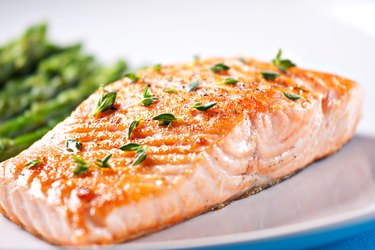
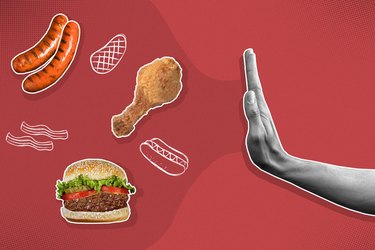
High purine foods can cause uric acid to build up in the blood. By limiting your intake of high purine foods you can help to decrease your risk of developing the urate crystals which cause gout. Foods high in purines include alcoholic beverages, seafood and shellfish such as sardines, anchovies, haddock, herring, mackerel, tuna, cod, mussels, scallops and trout. Other foods high in purines include bacon, yeast, organ meats such as liver, kidney and brain, wild game, yeast and gravies and sauces made from meat.

Dietary Recommendations

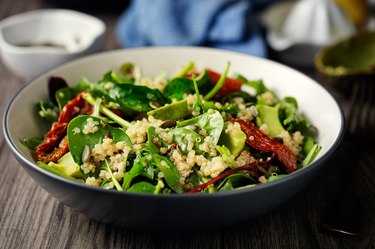
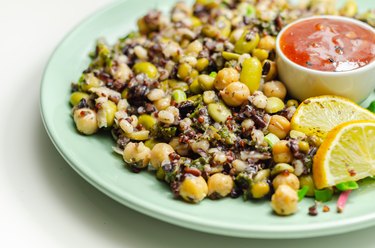
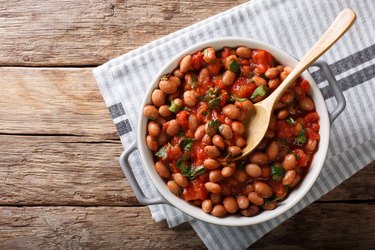
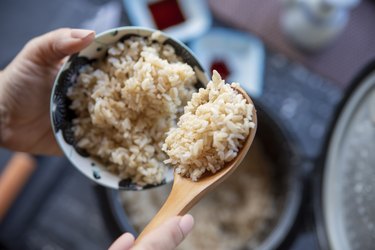
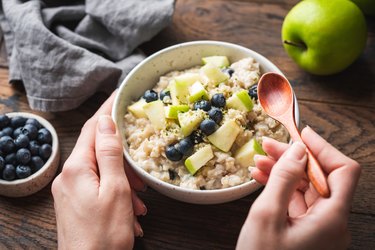
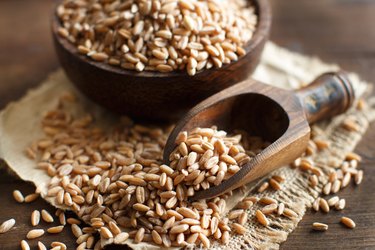
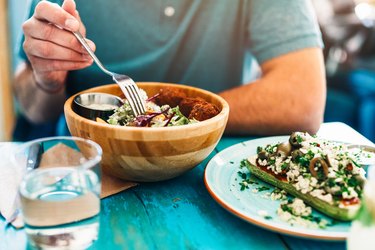
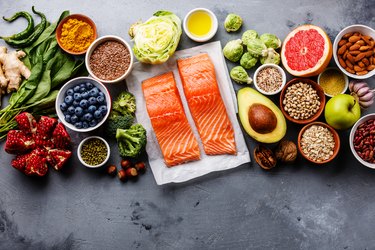
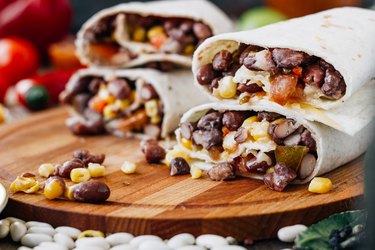
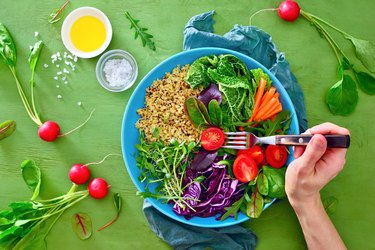
To help prevent and reduce the severity of gout attacks, MayoClinic.com recommends limiting intake of animal proteins. Proteins from whole grains, vegetables, beans and nuts are lower in purines and may help prevent gout. Other recommendations include adequate fluid intake, limit or avoid alcohol, choose low fat or fat free dairy products and limit intake of sugars. Excessive alcohol, full fat dairy and sugar intake can lead to weight gain and high cholesterol levels. Obesity along with high blood pressure and high cholesterol levels are considered risk factors for gout and can be avoided by following a healthy diet, maintaining a healthy weight and exercising regularly.

References

Article reviewed by Jenna Marie Last updated on: Jan 26, 2011

Must see: Photo Galleries