














































1. Trans Fat Is Made With Hydrogen
To extend the shelf life of foods, manufacturers add hydrogen to liquid fat, such as vegetable oil, forcing it to change its melting abilities and stay solid at room temperature. This process is hydrogenation. Hydrogenated or partially hydrogenated oils make trans-fatty acids. Also called trans fats, these chemically altered oils are harmful to your health. The Federal Drug Administration mandates that all trans fats must be listed on the labels and some countries have even banned trans fats.
2. Trans Fat Lurks Under Assumed Names
Read the labels of your favorite foods and see if you are eating trans fats without knowing it. It probably won't say "trans fat" or "trans-fatty acid" on the label, so you need to arm yourself with the knowledge of alternative names, such as margarine, partially hydrogenated oil, partially hydrogenated shortening or shortening. Most trans fats derive from the hydrogenation of vegetable oils.
3. The Hide and Seek Fat
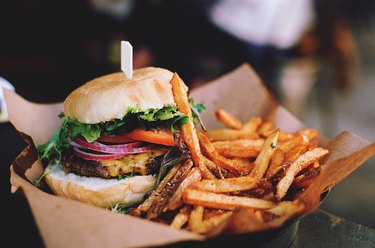
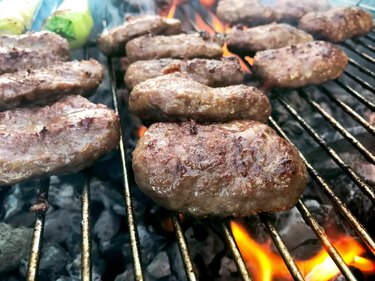
You can pretty much count on vegetable shortening and most margarine to contain trans fat. Even seemingly healthful foods, such as granola bars, cereal, bread and peanut butter, may contain trans fat. Other foods that may contain trans-fatty acids are salad dressings and snack foods such as cookies, crackers, chips, candy and bakery items. Since small traces of trans fat are naturally present in animal-based foods, it's best to eat those in moderation for a healthful diet. The main culprit of trans fats are processed foods.
4. It's Bad For You
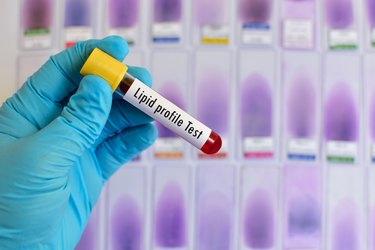
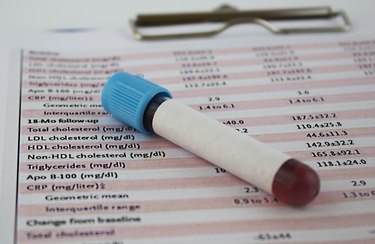
By eating trans fats, you run the risk of elevated low-density lipoprotein (LDL) cholesterol levels, commonly called the "bad cholesterol." By raising your LDL, your chances of coronary heart disease (CHD) increase greatly. According to studies, CHD is one of the leading causes of death in the United States. Studies also show the consumption of trans fats may increase your risk for diabetes, stroke, weight gain and cancer. Of course, your body needs moderate amounts of fat to be healthy, but choose "good fats" that are low in saturated fats and eliminate trans fats from your diet.
5. Stay Away From Trans Fats
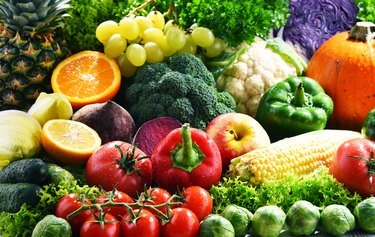
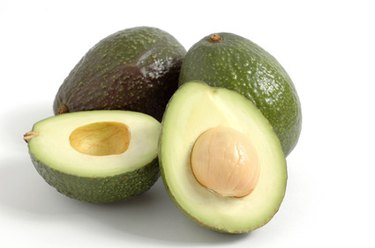
Before you eat anything, read its Nutrition Facts panel on the label. If you see partially hydrogenated oils, check its placement on the list. The higher it is on the list, the higher the content. It's almost impossible to eliminate trans fat from your diet completely, but keep it minimal and you'll lower your risk of heart disease. Many fried foods also contain trans fats. When at a restaurant, ask if they use trans fats before you order. There are alternatives, such as monounsaturated and polyunsaturated fats, which don't raise your LDL cholesterol. For example, instead of shortening, choose olive, canola, soybean, corn or sunflower oils. Nuts and fish are also a good source of fat that don't contain trans-fatty acids.


Member Comments