





























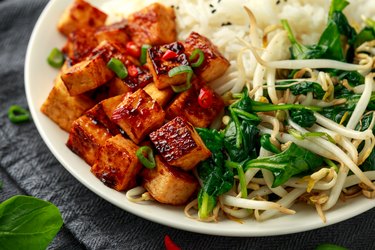
















Soy has been touted as the replacement protein. It is available in many forms from "milk" to "meat." Soy has been embraced by many health conscious individuals who want to reduce the amount of animal products and fats in their diets. Initially believed to be a superfood, studies have revealed that there are dangers in eating too many soy products.
Considerations
According to an article in Businessweek titled "The Dark Side of Soy," in 1999 the FDA supported the idea that including soy in your diet could reduce your risk of heart disease because it helped reduce your LDL levels. The FDA's position resulted from clinical studies performed at that time. More recently, the FDA requires that any product containing soy or lecithin be clearly labeled. Later research by other entities revealed the chemical components in soy may actually promote dementia, cancer, reproductive system problems and thyroid disorders.
Thyroid Disease
A study conducted by researchers at the National Center for Toxicological Research revealed that individuals with a diet high in soybeans are at risk for suffering an abnormal thyroid enlargement known as a goiter. The isoflavones genistein and daidzein are major components in soy that work to inhibit normal thyroid functioning. This is an important consideration if soy is a major component of your diet, if you are vegetarian or feed your infant soy formula.
Hormone Imbalance
According to an 2009 article published in Scientific American, the main isoflavone in soy, genistein, mimics the action of estrogen. Women who consume a soy-rich diet may experience infertility issues, and children are at risk for early puberty. Infants who drink soy formula consume six to 11 times more genistein based on their body weight than is known to cause hormonal problems in adults. Rita Newbold, a developmental biologist at the National Institute of Environmental Health Sciences, has studied the effects of soy on developing mice in utero. The studies showed abnormal embryo development in female mice. She further suggests that babies and children should not consume hormones. If you are concerned about the safety of soy formula for your child, talk with your doctor or health care provider.
Cancer
In 1998, the journal Cancer Research published an article that indicated isoflavones were responsible for promoting growth of human breast cancer cells implanted in rats. Women who consume soy-based drinks rich in isoflavones showed an increased number of breast cells. The down side to this is the increased possibility of breast cancer based on breast-cell growth.
Expert Insight
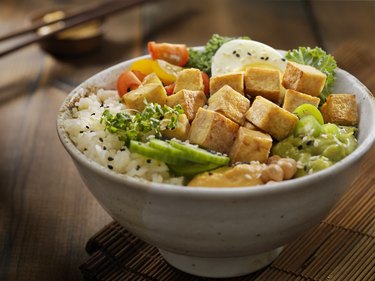
Gregory Burke, chairman of the department of public health science at Wake Forest University School of Medicine, reminds that people in Japan eat between 7 to 10 grams of soy per day but stick to whole soy foods such as tofu and edamame. They do not consume processed soy foods such as soy hot dogs. He suggests avoiding products that contain soy that has been chemically altered.
References
- Scientific American: Could Eating Too Much Soy Be Bad For You?
- PubMed.gov: Anti-throid Isoflavones From Soybean: Isolaiton, Characterization and Mechanisms of Action
- Bloomberg "Businessweek": The Dark Side of Soy
- FDA: Guidance for Industry: Guidance on the Labeling of Certain Uses of Lecithin Derived from Soy Under Section 403(w) of the Federal Food, Drug, and Cosmetic Act


Member Comments